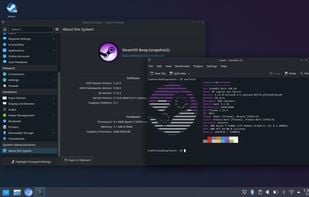
ChimeraOS (formerly GamerOS) is an operating system that provides an out of the box couch gaming experience. After installation, boot directly into Steam Big Picture and start playing your favorite games.
- Linux Distro
- Free • Open Source
- Linux
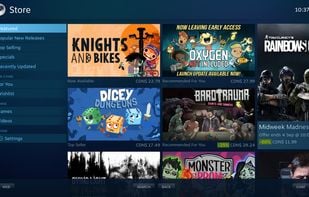


ChimeraOS (formerly GamerOS) is an operating system that provides an out of the box couch gaming experience. After installation, boot directly into Steam Big Picture and start playing your favorite games.

FydeOS offers a choice for regular PCs to behave like Chromebooks with alternative supporting services, on-premise or in the cloud, with or without Google. Formerly known as "Flint OS".
 Linux Mintand
 Debian
Sailfish OS is a European alternative to dominating mobile operating systems, and the only mobile OS offering an exclusive licensing model for local implementations.

GhostBSD is a user friendly desktop operating system based on FreeBSD , which attempts to conform to the Single Unix Specification. FreeBSD is known for its stability and security in server environments, which, incidentally, provides an...
 Linux Mintand
 Ubuntu
alternative, open source version of Fairphone OS, built by Fairphone, that puts transparency and ownership in the spotlight.

Trisquel is a computer operating system, a GNU + Linux distribution, derived from another distribution, Ubuntu, which is derived from Debian.
 Linux MintandUbuntu
 Androidand
 GrapheneOSAndroidandGrapheneOS
An operating system that respects your rights to privacy, security, and freedom, by design.
 Linux MintandUbuntu
Android TV is Google’s operating system for smart TVs and streaming devices. Android TV makes it easier for people to watch, play and do everything they love on their TV.


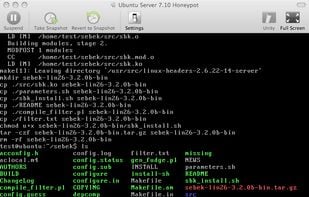
The leading platform for scale-out computing, Ubuntu Server helps you make the most of your infrastructure. Whether you want to deploy an OpenStack cloud, a Hadoop cluster or a 50,000-node render farm, Ubuntu Server delivers the best value scale-out performance available.
 Linux MintandDebian
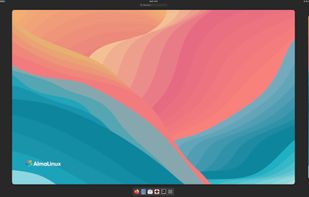
Launched with the code-name Project Lenix, AlmaLinux OS is an open-source, community-driven project that intends to fill the gap left by the demise of the CentOS stable release. AlmaLinux OS is a 1:1 binary compatible fork of RHEL® 8 and it is built by the creators of the...
 Linux MintandUbuntu
 Linux MintandUbuntu
Asahi Linux is a project and community with the goal of porting Linux to Apple Silicon Macs, starting with the 2020 M1 Mac Mini, MacBook Air, and MacBook Pro.
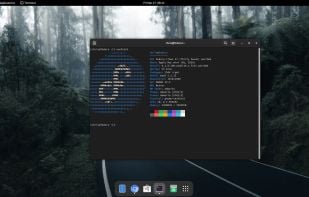

XR stands for extended reality. It’s an umbrella term that encompasses all technologies that blend the real and virtual worlds including virtual reality, augmented reality, and mixed reality.

 Mixed Reality Link
Devuan GNU+Linux is a fork of Debian without systemd that allows users to reclaim control over their system by avoiding unnecessary entanglements and ensuring Init Freedom.
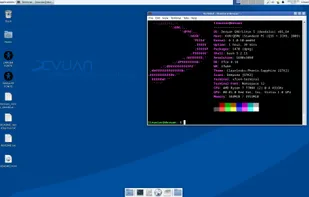 Debianand
 Manjaro Linux
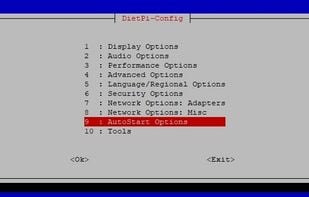
DietPi is a lightweight and optimized operating system mostly targeted against IoT devices. With DietPi you can install specially optimized software with a few clicks. It has an easy-to-use whiptail GUI for its many configuration and system management options and a helpful...

Open-source OS for Pebble smartwatches enhances user experience with customizability, app integration, and timeline interfacing for schedules.

 Gadgetbridgeand
 Fitbit
Artix Linux is a fork (or continuation as an autonomous project) of the Arch-OpenRC and Manjaro-OpenRC projects. Artix Linux offers a lightweight, rolling-release operating system featuring the OpenRC init software.
 Linux MintandUbuntu
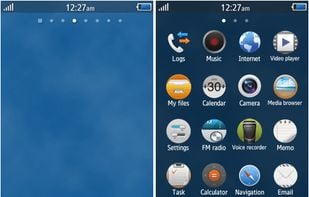
Open source Linux-based system for smartphones, tablets, netbooks, smart TVs, and automotive, supporting Android apps and scalable device compatibility.

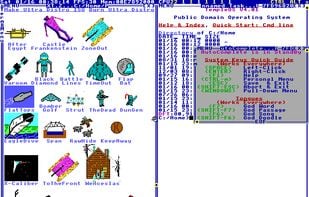
The Temple Operating System (TempleOS) is a free and open source, x86_64, non-preemptive, multi-tasking PC operating system.
 Fedoraand
 Arch Linux
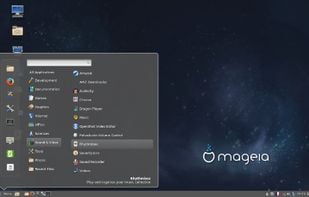
Mageia is a fork of Mandriva Linux formed in September 2010 by former employees and contributors to the popular French Linux distribution. Unlike Mandriva, which is a commercial entity, the Mageia project is a community project and a...
 Linux MintandUbuntu
 Linux MintandUbuntu
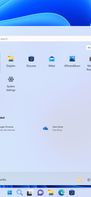
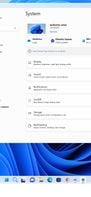
Wubuntu aka "Windows Ubuntu" is an operating system that inherits all the appearance and functionality of Microsoft Windows, but does not require TPM, secure boot or any other hardware requirement for its operation.

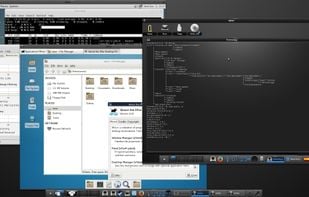
Void is a general purpose operating system, based on the monolithic Linux kernel. Its package system allows you to quickly install, update and remove software; software is provided in binary packages or can be built directly from sources with the help of the XBPS source packages...
 Linux MintandDebian