


DietPi
18 likes
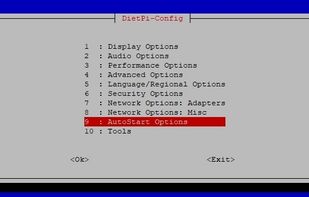
DietPi is a lightweight and optimized operating system mostly targeted against IoT devices. With DietPi you can install specially optimized software with a few clicks. It has an easy-to-use whiptail GUI for its many configuration and system management options and a helpful...

Cost / License
- Free
- Open Source (GPL-2.0)
Application typeApplication types
Platforms
- Linux
- Self-Hosted


Features
DietPi News & Activities
Highlights All activities
Recent News
- Paul published news article about DietPi
- Paul published news article about DietPi
- Paul published news article about DietPi


Recent activities


Featured in Lists


Xenmaster's 2026 Distro Hopper Guide
I have noticed in general that the recommendation list for alternatives on this site is broken when it comes to Linux Distros. Often times when looking for a server distro or gaming distros, I will get generic recommendations for any Linux distribution and I will have to guess if the use-case is right. This list seeks to provide true alternatives based on use-cases for the most popular Linux and BSD distributions out there! Note this is a 2026 update to my original list posted several years ago. https://alternativeto.net/lists/23956/xenmaster-s-linux-distro-master-list/ Rather than re-write history, I'm adding a new post with the below link to my original. A lot has changed in the OS world so adding some details regarding what I use and how.
Unlike my old list, this one will include both Linux and BSD related systems, similar in their unix-like behavior, but each with different utilities and mechanisms for performing operations. Note that as of the posting of this list, only OpenBSD supports Full Disk Encryption on installation without manual configuration steps, a major drawback if this is a critical component to your use as a desktop setup.


Xenmaster Approved Linux and BSD
A short and sweet list of the linux and BSD distros I use on a day to day basis, including how I use them and what I like and don't like about them. I've been using non-Windows/Mac operating systems now for about 12 years . I'm not a power user who lives in the terminal using a tiling window manager using arch btw as a daily driver, but I do know my way about the commandline and have tinkered with a homelab for 5 years now.
For all distros I am currently using, I make sure to add caveats for things to look out for as a new user. Definitely not meant to discourage folks, just stuff to keep in mind so expectations are clear.
I also include a list of items I am looking into using in the future and those I've either tried and passed on or those which I've used before and have replaced. Hopefully someone finds this list useful!


godlike
... diese gut ...
What is DietPi?
DietPi information
Developed by
 Dietpi
 Licensing
Open Source (GPL-2.0) and Free product.Rating
Average rating of 5Alternatives
136 alternatives listedNews
15 news article related to DietPiBadge
Get an embeddable badge for DietPiSupported Languages
AlternativeTo Category
OS & UtilitiesGitHub repository
- 6,316 Stars
- 566 Forks
- 455 Open Issues
- Updated


Comments and Reviews
Easy to setup & super light.
I tried it for a while and I will do it again. Easy to use, lightweight yet robust, task-oriented, helps in solving problems instead of getting in your way, like most of the Linux distros seem to do for newbies like myself. An example of getting in your way is IMO this (Garuda/Arch, Windows or Android does it in few steps): https://youtu.be/WeKcWTQc7mY
Edit 6/8/2026: I have upgraded to a full fledged unRaid NAS with Docker containers and virtual machines and for most of my needs, but my RPi4 is still used for a few things. DietPi is still hands down the best solution for easily setting up a simple home server on an inexpensive single board computer.
Easy and simple to set up, especially compared to other more feature rich options such as OpenMediaVault. After spending a while tinkering and getting stuck with OMV and other setups to get a simple home media and backup server going, I have settled on DietPi for its ease of use, regular updates, excellent documentation, and and good built in software selection. Very basic Linux command line experience is required: all of the functions are available in a simple graphical (text only) interface. No more setting and remembering directory paths, passwords, IP addresses and so forth for the various programs you need to work together. Runs great with a Raspberry PI 4.
Minimizes logging to SD card, so it lasts longer
Easy setup for many applications