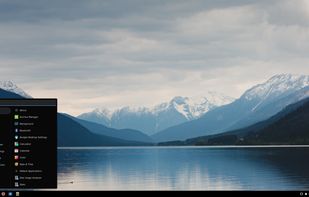
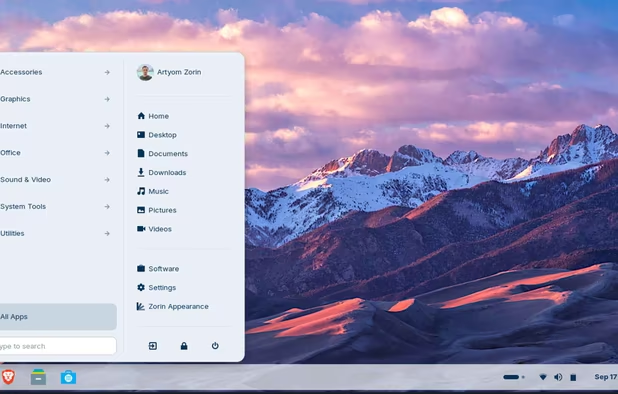
Google Chrome OS is a Linux-based operating system designed by Google that uses the Google Chrome web browser as its principal user interface, so it works primarily with web applications.


Fedora is described as 'Creates an innovative, free, and open source platform for hardware, clouds, and containers that enables software developers and community members to build tailored solutions for their users' and is a leading Linux Distro in the os & utilities category. There are more than 100 alternatives to Fedora for a variety of platforms, including Linux, Self-Hosted, Mac, Windows and BSD apps. The best Fedora alternative is Linux Mint, which is both free and Open Source. Other great apps like Fedora are Ubuntu, Debian, Arch Linux and openSUSE.
Google Chrome OS is a Linux-based operating system designed by Google that uses the Google Chrome web browser as its principal user interface, so it works primarily with web applications.


Launched with the code-name Project Lenix, AlmaLinux OS is an open-source, community-driven project that intends to fill the gap left by the demise of the CentOS stable release. AlmaLinux OS is a 1:1 binary compatible fork of RHEL® 8 and it is built by the creators of the...

ReviOS aspires to re-create what Windows as an operating system should have been - easy and simple.

Trisquel is a computer operating system, a GNU + Linux distribution, derived from another distribution, Ubuntu, which is derived from Debian.


Fast and powerful operating system based on the latest technologies while offering highly productive desktop environment. We focus on security, reliability, long-term stability and conservative integration of verified new features.


Slackware Linux is an advanced Linux operating system, designed with the twin goals of ease of use and stability as top priorities. Including the latest popular software while retaining a sense of tradition, providing simplicity and ease of use alongside flexibility and power...


Devuan GNU+Linux is a fork of Debian without systemd that allows users to reclaim control over their system by avoiding unnecessary entanglements and ensuring Init Freedom.

Asahi Linux is a project and community with the goal of porting Linux to Apple Silicon Macs, starting with the 2020 M1 Mac Mini, MacBook Air, and MacBook Pro.


A purely functional package manager and an advanced distribution of the GNU operating system developed by the GNU Project—which respects the freedom of computer users.


100% Fedora-compatible Linux distribution with stable updates, open-source packages, out-of-the-box tweaks, and enhanced setup for developers and everyday users, streamlining software creation, packaging, and immediate usability across all experience levels.


Artix Linux is a fork (or continuation as an autonomous project) of the Arch-OpenRC and Manjaro-OpenRC projects. Artix Linux offers a lightweight, rolling-release operating system featuring the OpenRC init software.