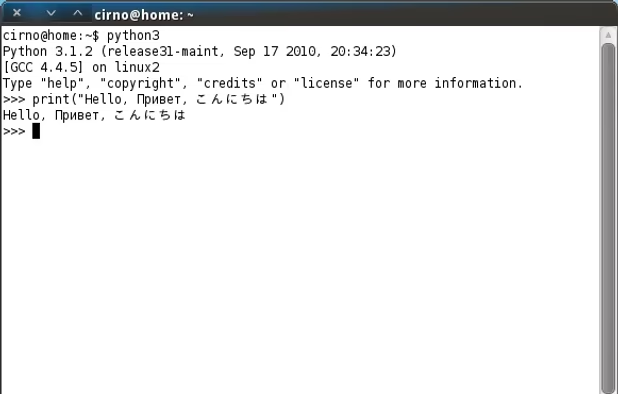
Python is an interpreted, interactive, object-oriented, extensible programming language. It provides an extraordinary combination of clarity and versatility, and is free and comprehensively ported.
Cost / License
- Free
- Open Source
Application type






This list is inspired by the Kamran Ahmed's "2019 Developer Roadmap." https://github.com/kamranahmedse/developer-roadmap
Without further ado, my take on the most important technologies to learn for back-end web development in 2019!
Python is an interpreted, interactive, object-oriented, extensible programming language. It provides an extraordinary combination of clarity and versatility, and is free and comprehensively ported.
If you already know Javascript, here are the tools you will need to bring it to the back-end! Listed here are the following: languages/platform, Integrated Development Environment, Package Manager, Testing Frameworks, and backend website framework, in that order.

JavaScript (sometimes shortened to JS) is a lightweight, interpreted, object-oriented language with first-class functions, most known as the scripting language for Web pages, but also used in many non-browser environments.

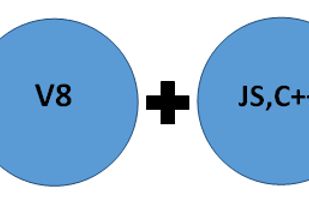
Node.js is a platform built on Chrome's JavaScript runtime for easily building fast, scalable network applications.

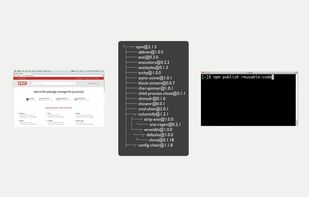
npm is a package manager for Node.js that is run through the command line and manages dependencies for an application. It is the predominant package manager for Node.js.

Jasmine is an open source testing framework for JavaScript. It aims to run on any JavaScript-enabled platform, to not intrude on the application nor the IDE, and to have easy-to-read syntax.

Mocha is a feature-rich JavaScript test framework running on node.js and the browser, making asynchronous testing simple and fun. Mocha tests run serially, allowing for flexible and accurate reporting, while mapping uncaught exceptions to the correct test cases.

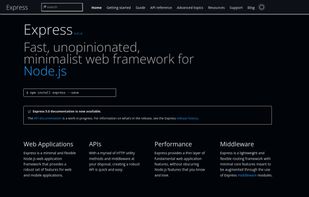
Minimal and flexible Node.js framework with extensive HTTP utilities and middleware, making web and mobile app development swift and efficient.
If you are interested in learning Python or know it already, here are the tools you will need to bring it to the back-end! Listed here are the following: languages/platform, Integrated Development Environment, Package Manager, and backend website framework, in that order. Note that testing frameworks "UnitTest" and "PyTest" are available (but don't have entries on this site) and are not specific to web development.

Django is a high-level Python Web framework that encourages rapid development and clean, pragmatic design. Built by experienced developers, it takes care of much of the hassle of Web development, so you can focus on writing your app without needing to reinvent the wheel.
If you are old school and going with the tried and true PHP, here are the tools you will need to build your back-end! Listed here are the following: languages/platform, Integrated Development Environment, Package Manager, Testing Framework, and backend website framework, in that order.
Server-side scripting language designed for web development, featuring HTML embedment and extensive community support, suitable for dynamic content creation.

Composer is a package manager not in the same sense as Yum or Apt are. Yes, it deals with "packages" or libraries, but it manages them on a per-project basis, installing them in a directory (e.g. vendor) inside your project.

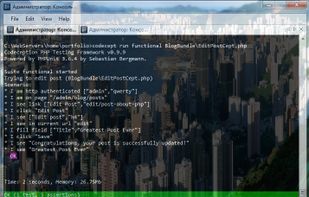
Codeception is a new full-stack testing PHP framework. It provides you absolutely new original way for writing acceptance, functional and unit tests.


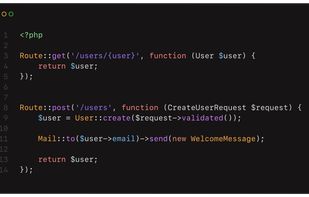
Laravel is a web application framework with expressive, elegant syntax. We’ve already laid the foundation — freeing you to create without sweating the small things.
If you are looking for a type-safe language for the backend that is compiled, super-fast, and optimized for web development, there is no better language to go with than Go! Developed by Google, a group of folks who know a thing or two about web technologies.

Open-source programming language with C-style syntax, Google-backed. Features concurrency, automatic memory management, and a robust library for web and CLI apps.


Put the fun back in writing Go web applications! A Ruby on Rails inspired, idiomatic, web framework written in Go.
I've included each database system and the associated admin tool following it. The only exception is MariaDB and MySQL, both of which can be administered using the same tool.

PostgreSQL is a powerful, open source object-relational database system with over 35 years of active development that has earned it a strong reputation for reliability, feature robustness, and performance.
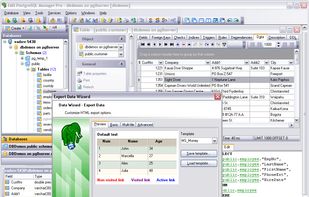

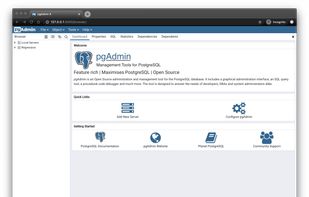
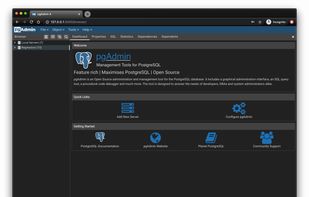
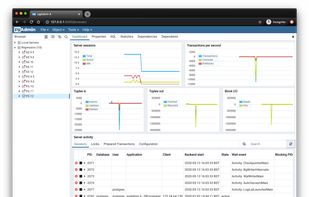
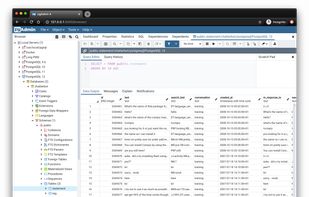
pgAdmin is the most popular and feature rich open source administration and development platform for  PostgreSQL, the most advanced open source database in the world.

Free GPL database platform supporting SQL and NoSQL applications with InnoDB storage, replication, clustering, connectors, and cross-platform deployment.

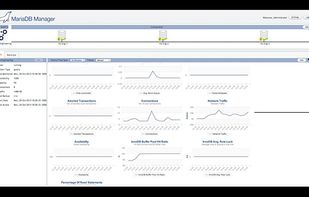
MariaDB is a backward compatible, drop-in replacement of the MySQL® Database Server. It includes all major open source storage engines.



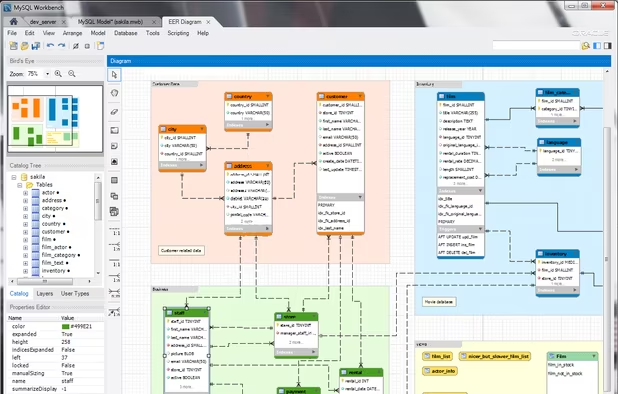
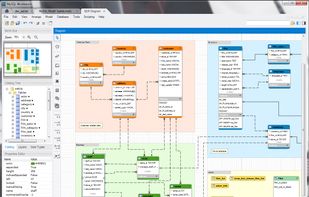
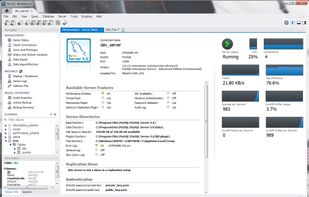
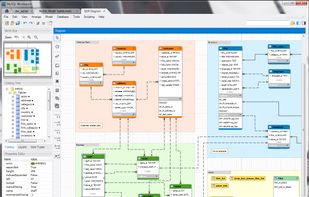
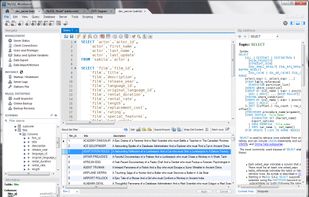
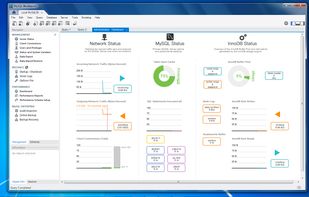
MySQL Workbench is a unified visual tool for database architects, developers, and DBAs. MySQL Workbench provides data modeling, SQL development, and comprehensive administration tools for server configuration, user administration, and much more.
As with the relational databases, I've included the database and corresponding management tool. Note that MongoDB is a NoSQL database and Redis is a caching system.

MongoDB is a document database with the scalability and flexibility that you want with the querying and indexing that you need

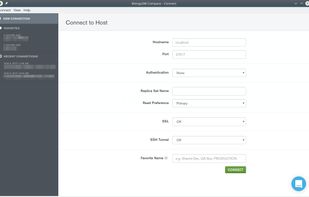
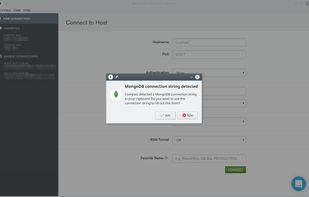
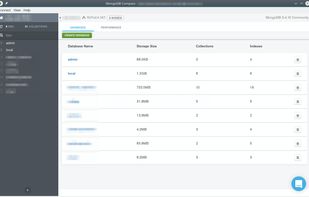
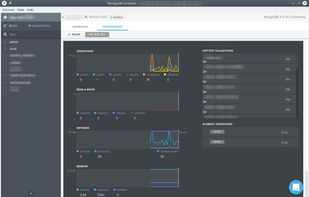
The GUI for MongoDB. Visually explore your data. Run ad hoc queries in seconds. Interact with your data with full CRUD. View and optimize your query performance. Compass empowers you to make smarter decisions about indexing, document validation, etc.
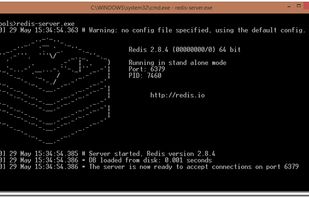
The in-memory data store used by millions of developers as a cache, vector database, document database, streaming engine, and message broker.

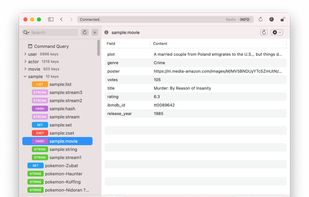
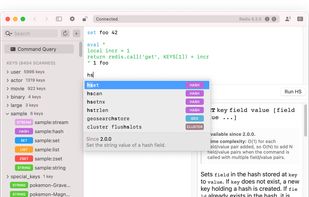
Medis is a beautiful, easy-to-use Redis GUI management application for Redis version 2.8 or greater.
Random services, specifically two authorization services, a message broker, and a search engine.

An open protocol to allow secure authorization in a simple and standard method from web, mobile and desktop applications.


OpenID is an easy and safe way for people to reuse an existing account and user profile from an identity provider, for example Apple, Google, or Microsoft to sign-in to any OpenID-enabled applications and websites without creating a new registration and password.

RabbitMQ is a complete and highly reliable enterprise messaging system based on the emerging AMQP standard
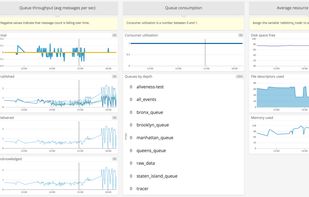

Unmatched relevance. Real-time insights. Anything is possible — when the precision of search meets the intelligence of AI.
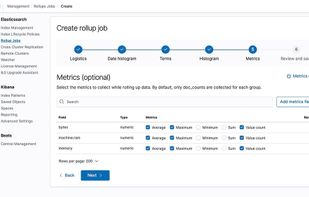
Two of the most popular webservers and a system used for managing servers.

Open-source HTTP server offering cross-platform support, modular architecture, secure configuration, robust content delivery, and extensive authentication features.

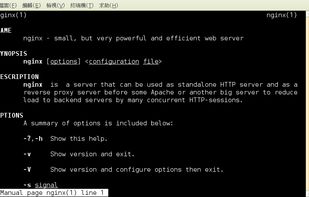
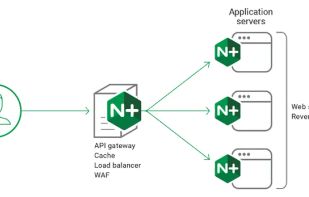
nginx ("engine x") is an HTTP web server, reverse proxy, content cache, load balancer, TCP/UDP proxy server, and mail proxy server.

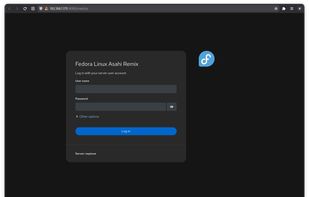
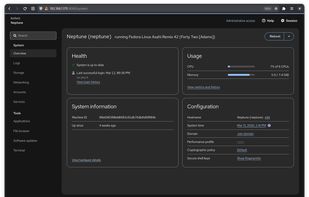
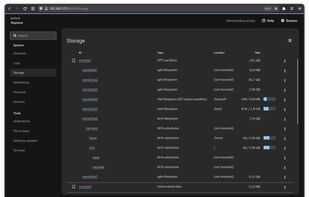
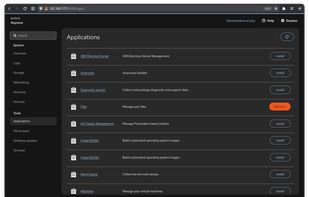
Makes it easy to administer Linux servers via a web browser. It allows you to easily perform simple tasks like storage administration, inspecting journals, starting & stopping services, monitoring & administering several servers at once.
GraphQL is the next big thing when it come to replacing REST APIs, according to everyone. I've included three client tools (Insomnia, Postman, and Apollo-Client) and three server tools (Apollo-Server and GraphQL itself)

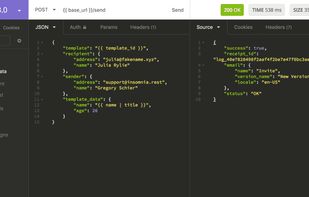
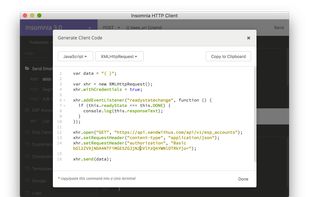
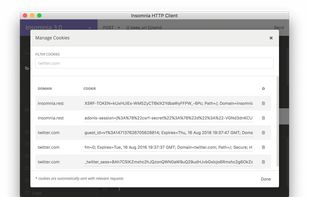
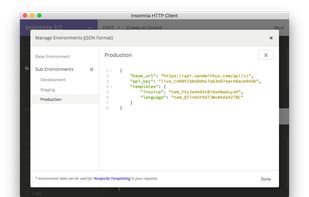
A powerful REST API Client with cookie management, environment variables, code generation, and authentication for Mac, Window, and Linux.

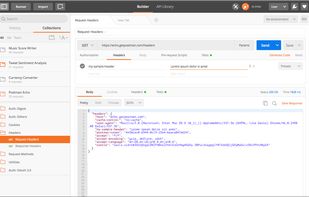
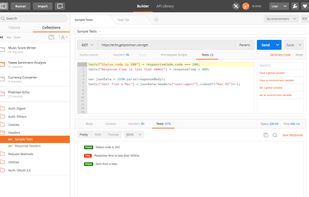
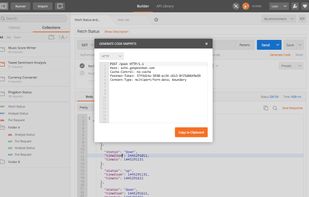
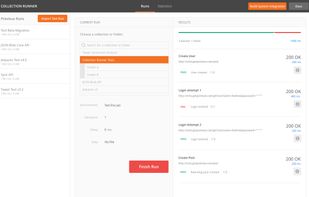
Collaborative platform for API development providing design, specifications, testing, documentation, and requests with free and paid subscription plans.


Apollo is the best way to quickly build a production-ready, self-documenting API for GraphQL clients, using data from any source.
The goal of this library is to provide an easy and fast way to create a GraphQL, Relay compliant server, that can serve multiple projects.
The purpose of this list is to provide a listing of solutions available and commonly used by developers in the field in 2019 for back-end web development. I encourage everyone and anyone reading this list to also check out the site "https://github.com/kamranahmedse/developer-roadmap" as it has additional information on a logical order to run and use these apps as well as additional topics that are not software solutions, but concepts that are important to learn.
No comments so far, maybe you want to be first?