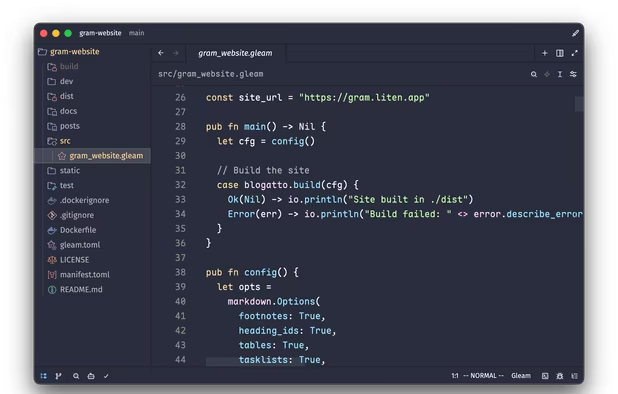


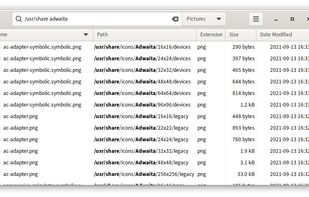
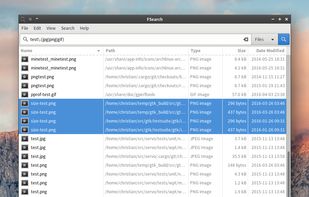
FSearch is a fast file search utility for GNU/Linux operating systems, inspired by Everything Search Engine. It's written in C and based on GTK+3.
Cost / License
- Free
- Open Source
Application type
Platforms
- Linux
- Flathub




+1


This list contains slop-free (without LLM generated code; supposedly) open source software. It is a positive counterpart of Open-Source Slopware. Check out and give thumbs up also to AI Slopfree Software Catalog which contains software dedicated against LLMs!
Applications in this list are deemed slop-free by a quick eye test, so it does not necessarily mean that they indeed are not tainted with machine generated code.
So, why is it important to avoid LLM generated code?
I will try to add links at some time to the statements above to back them up.
Of course, I see how and where generative tools could be helpful and sometimes I feel tempted to find an acceptable way to use them, but for now the direct and indirect costs far too much outweighs gains.

FSearch is a fast file search utility for GNU/Linux operating systems, inspired by Everything Search Engine. It's written in C and based on GTK+3.

From Contributing — AI-Generated Code:
Please do not submit AI-generated code. My views might be somewhat old-fashioned in this regard, but I think coding is for fun and so is the whole of this project. Therefore, I expect contributions to be "hand-written". Letting some LLM run over the code base and then blindly submitting its output is not the point of open source in my opinion. I'd rather want contributors to spend time familiarizing themselves with the code base, try to wrap their heads around how things work under the hood and then start coding.
Nevertheless in contributors page it can be seen that one commit by claude has somehow managed to slip through.
Updated: 2026-09-17






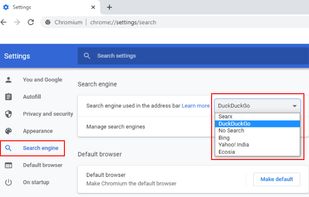
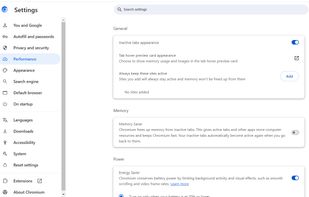
Note: obviously ungoogled-chromium is based on  Chromium which is a slopware.
Updated: 2026-09-14


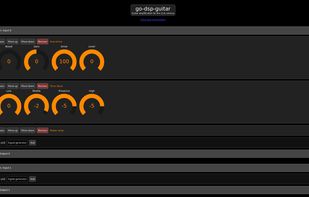
A cross-platform multichannel multi-effects processor for electric guitars and other instruments. - andrepxx/go-dsp-guitar

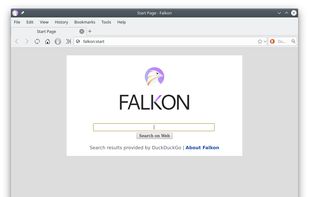
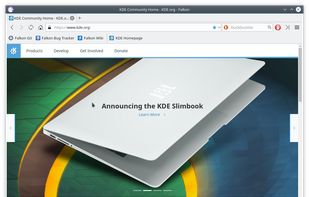
Falkon, formerly QupZilla, is a QtWebEngine based cross-platform web browser.
It aims to be a lightweight web browser available through all major platforms.
Falkon has all standard functions you expect from a web browser. It includes bookmarks, history (both also in sidebar).

GNOME Web is the web browser for the GNOME desktop, based on the popular WebKit engine. It offers a simple, clean, beautiful view of the Web featuring first-class GNOME desktop integration. Its code name is Epiphany.

Note: while the project appears slop-free, it is based on  Mozilla Firefox which definitely has LLM-generated code.
Updated: 2026-09-09

Min is a fast, minimal browser that protects your privacy. It includes an interface designed to minimize distractions, and features such as:
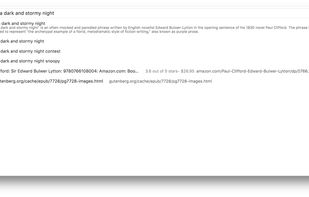
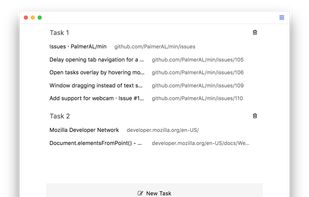
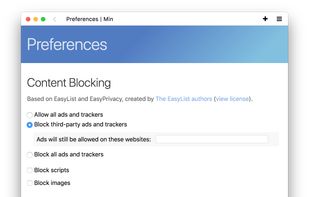

Note: while the project appears slop-free, it is based on  Tor Browser which appears to be having LLM-generated code or at least supports machine-generated contributions, which in turn is based on Mozilla Firefox which definitely is slopware.
Updated: 2026-09-09
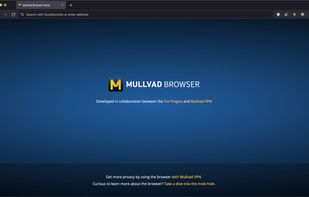
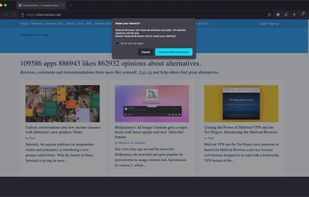
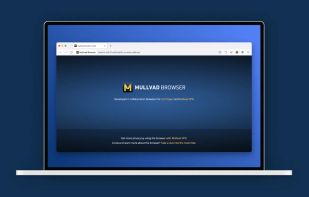


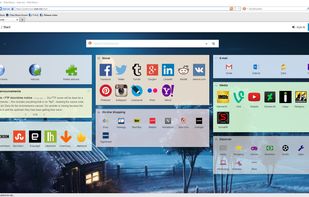
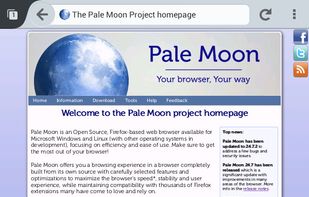
An open-source web browser forked from Mozilla Firefox. It focuses on security, efficiency, customization, and no data gathering.

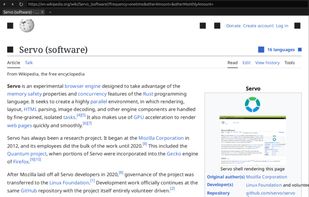
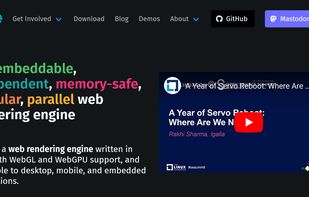
Servo has anti-LLM policy:
Contributions must not include content generated by large language models or other probabilistic tools, including but not limited to Copilot or ChatGPT. This policy covers code, documentation, pull requests, issues, comments, and any other contributions to the Servo project.
Updated: 2026-09-16

Privacy and security enhanced releases of Chromium for GrapheneOS. Vanadium provides the WebView and standard user-facing browser on GrapheneOS.

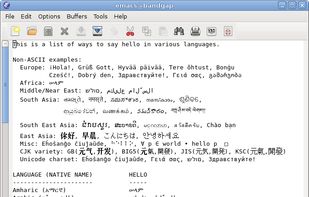
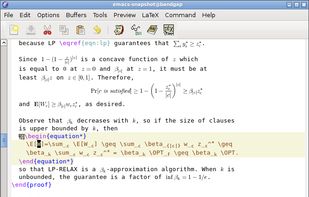
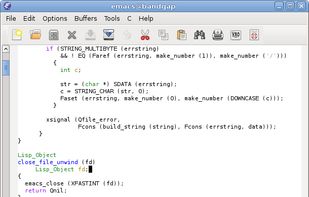
GNU Emacs is an extensible, customizable text editor—and more. At its core is an interpreter for Emacs Lisp, a dialect of the Lisp programming language with extensions to support text editing. The features of GNU Emacs include:


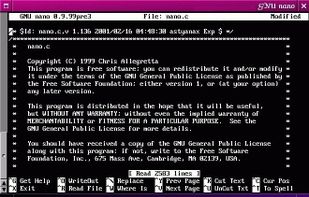
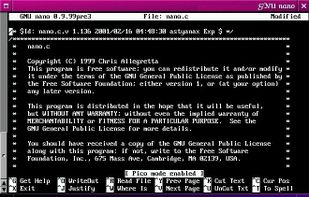
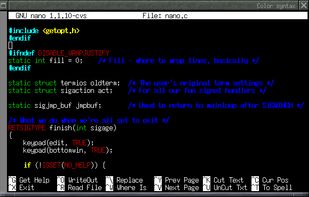
GNU nano is a small and friendly text editor. Besides basic text editing, nano offers many extra features like an interactive search and replace, go to line and column number, auto-indentation, feature toggles, internationalization support, and filename tab completion.
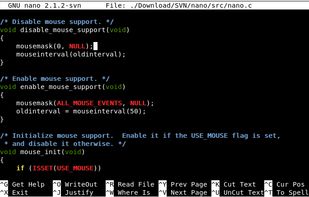

Gram is a powerful and modern source code editor. It features solid performance and is highly configurable, yet comes with batteries included out of the box. Gram supports many popular programming languages and file formats, and can use Zed extensions to support additional...
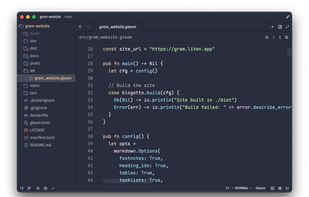

Micro is a terminal-based text editor that aims to be easy to use and intuitive, while also taking advantage of the full capabilities of modern terminals.

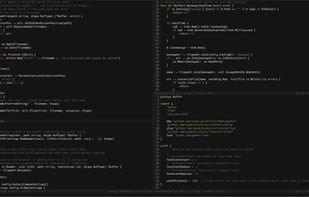

Usage of LLMs to generate code or documentation is strictly prohibited.
(from Contributing Guidelines).
Updated: 2026-08-31
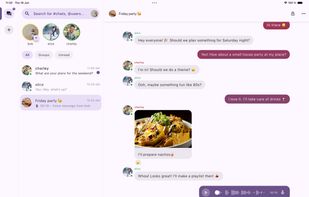
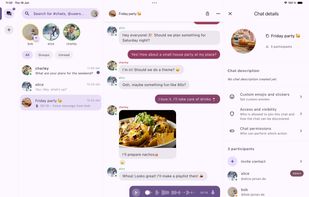
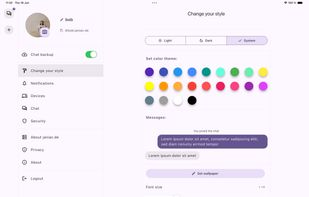
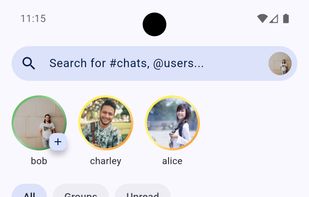

Conduit is a simple, fast and reliable chat server powered by Matrix. Conduit is an alternative to Synapse and tries to be lightweight and easy to install, but it is still in development.






Container related software and tools.

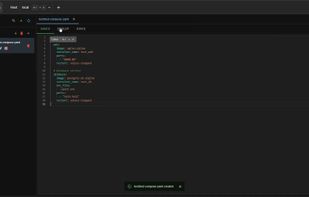
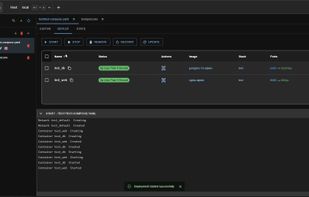
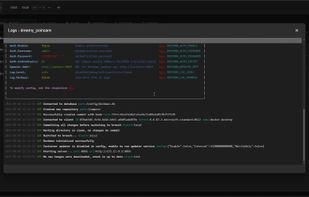

There are no obvious signs of LLM usage, but I do not know what to make of usage of em-dashes (for example, in README.md). There is also an issue asking to add AI policy to clarify usage of slop-generators.
Updated: 2026-09-07
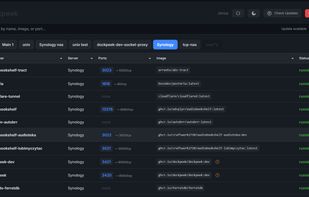

While the project has AGENTS.md and and therefore permissive LLM policy (CONTRIBUTING.md — Policy on the Use of Large Language Models (LLMs) and AI Tooling), it currently does not have obvious signs of LLM usage.
Updated: 2026-09-13
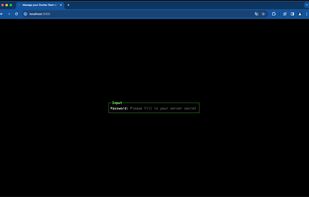
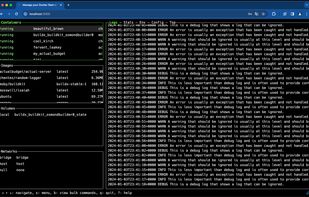
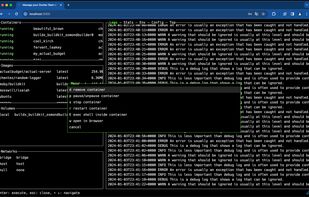
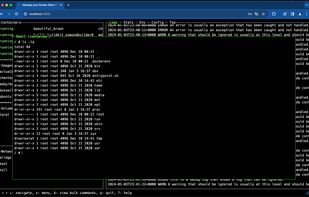

From CONTRIBUTING.md — AI Generated Code:
Substantially AI generated code is not welcome. There are several reasons for this. First, it violates the "The contribution was created in whole or in part by me" statement of DCO. Second, the licensing implications are not yet clear. Thirdly, we expect anyone who submits code to fully understand what they are submitting. Finally, we put a lot of time into reviewing patch submissions. Increasing the volume of code to be reviewed with autogenerated boilerplate drivel will take away time from more important reviews.
Updated: 2026-09-12

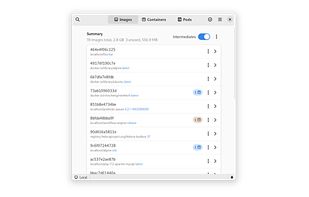
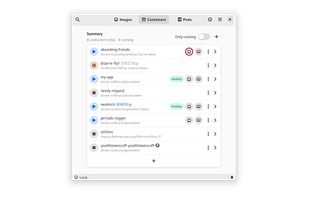
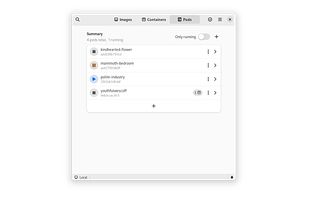
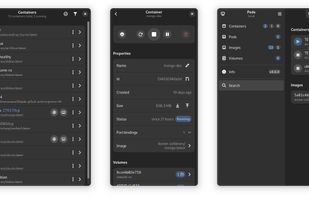
Pods is a frontend for podman. It uses libadwaita for its user interface and strives to meet the design principles of GNOME.

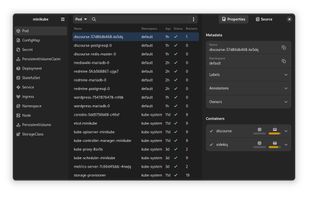
Seabird is a native cross-platform Kubernetes desktop client that makes it super easy to explore your cluster's resources. We aim to visualize all common resource types in a simple, bloat-free user interface.

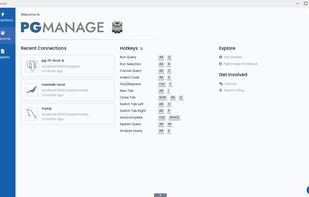
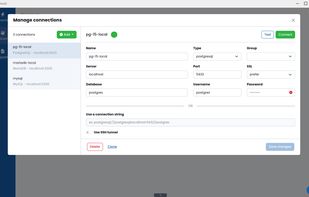
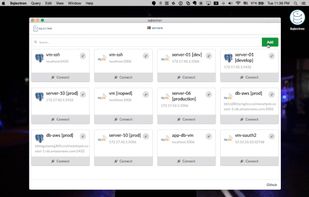
A modern, convenient and powerful SQL Editor and Database Client for Developers and Administrators.
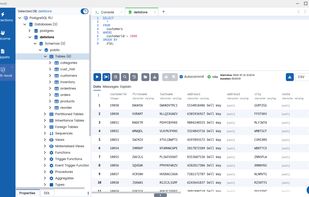
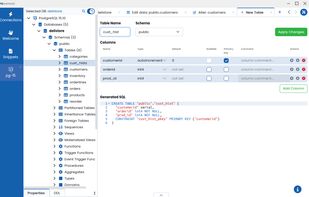

A database development tool that allows you to simultaneously connect to MySQL, MariaDB, Oracle, PostgreSQL, SQLite, MongoDB, DM, OceanBase, TiDB and SQLServer databases from a single application.
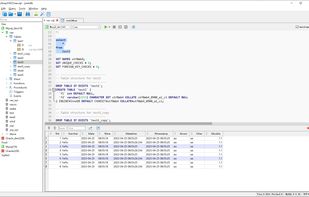
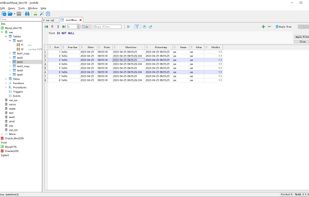
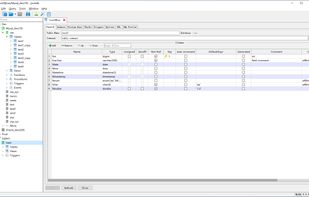
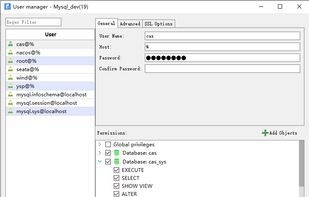

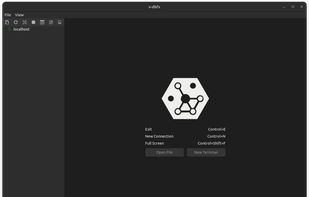
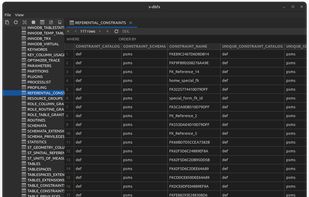
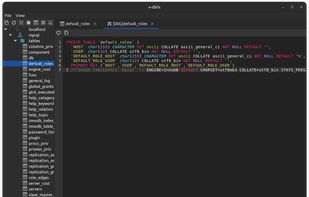
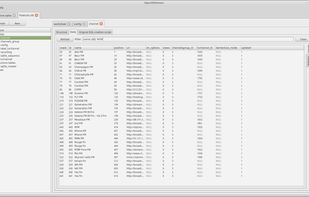
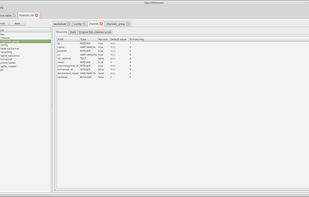
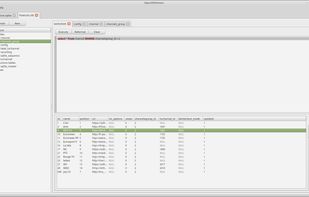

A simple and lightweight SQL client desktop/terminal with cross database and platform support.

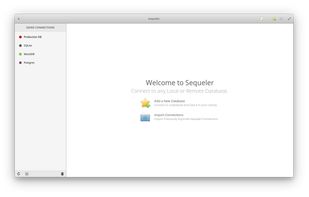
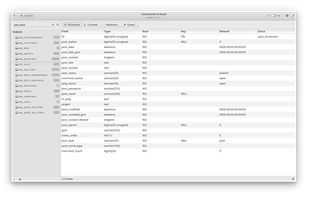
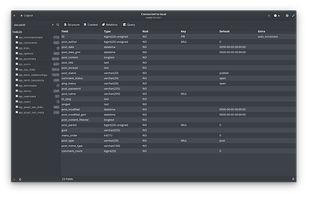
Sequeler is a native Linux SQL client built in Vala and Gtk. It allows you to connect to your local and remote databases, write SQL in a handy text editor with language recognition, and visualize SELECT results in a Gtk.Grid Widget.

SQLantern is a database tool designed for high productivity, with a fresh concept: displaying multiple database tables side by side in separate panels.
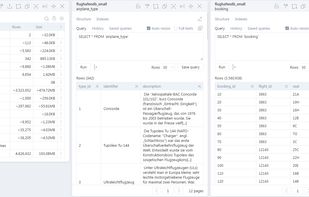
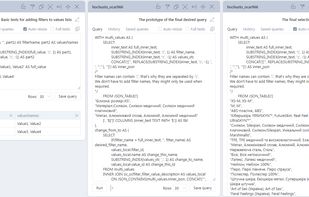
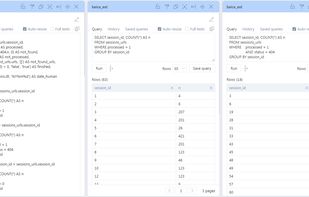
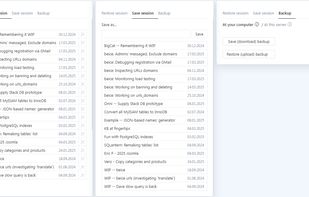

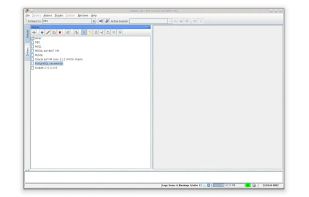
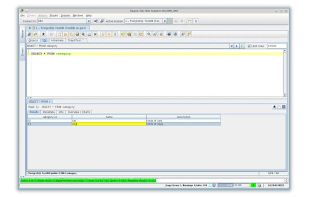
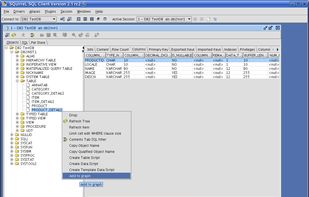
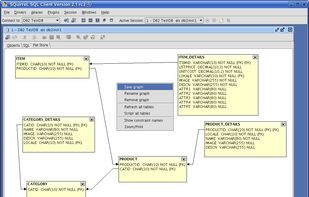
SQuirreL SQL is an open-source Java SQL Client program that will allow you to view the structure of a JDBC compliant database, browse the data in tables, issue SQL commands etc.

TOra is an open-source multi-platform database management GUI that supports accessing most of the common database platforms in use, including Oracle, MySQL, and Postgres, as well as limited support for any target that can be accessed through Qts ODBC support.
Tools for inspecting and managing storage.

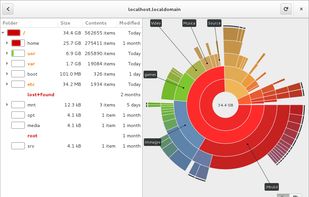
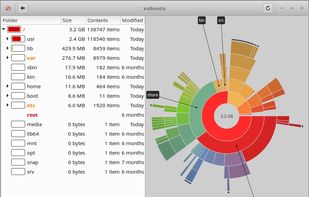
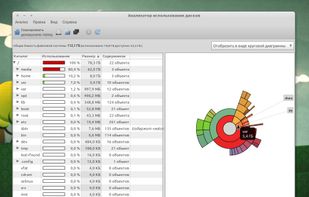
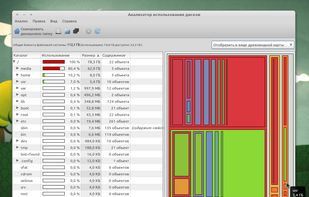
Graphical GNOME application that analyzes disk usage with detailed graphical representation, supporting scans of both local and remote directories.

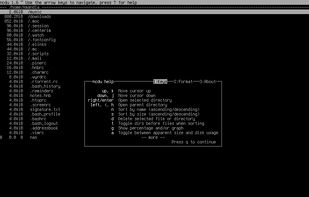
A disk usage analyzer with an ncurses interface, aimed to be run on a remote server where you don't have an entire graphical setup, but have to do with a simple SSH connection. ncdu aims to be fast, simple and easy to use, and should be able to run in any minimal POSIX-like...

Credits: