Puppy Linux is a unique family of Linux distributions meant for the home-user computers. It was originally created by Barry Kauler in 2003.
Cost / License
- Free
- Open Source (GPL-2.0)
Application typeApplication types
Platforms
- Linux



One of the most popular alternatives to Arch Linux is Linux Mint, which is free and open source. Other popular alternatives are Ubuntu, Debian, Fedora and CachyOS. You're spoiled for choice with Operating Systems like Arch Linux: we list more than 100 alternatives for Linux, self-hosting, Windows, Mac and the web.
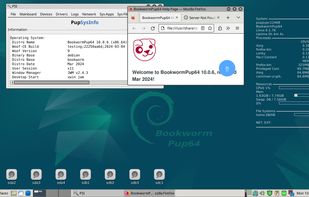
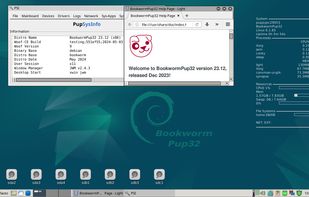
Puppy Linux is a unique family of Linux distributions meant for the home-user computers. It was originally created by Barry Kauler in 2003.

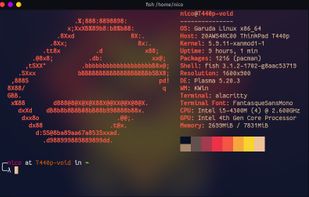
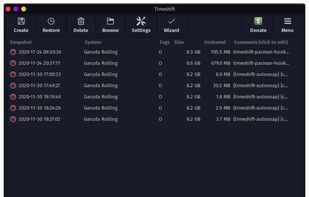
Garuda Linux is an appealing Arch Linux-based distribution with BTRFS (modern filesystem), Linux-zen kernel, auto snapshots, gaming edition, and many more bleeding edge features. Besides its sharp focus on performance, Garuda Linux also simplifies the user experience by...
 India
India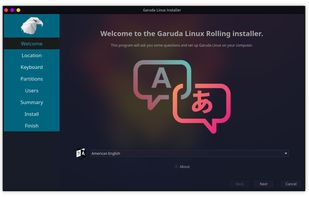
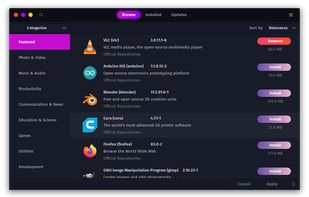


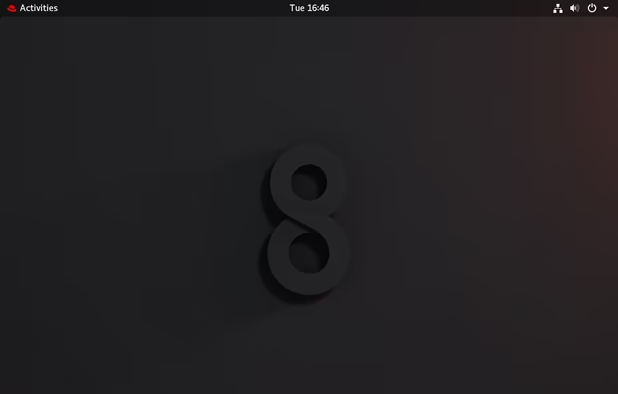
CentOS is a community-supported, free and open source operating system based on Red Hat Enterprise Linux. It exists to provide a free enterprise class computing platform and strives to maintain 100% binary compatibility with its upstream distribution.
 United States
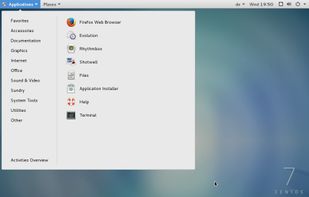
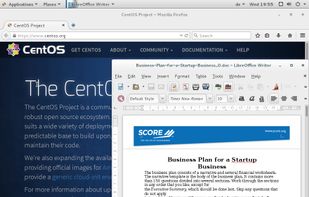
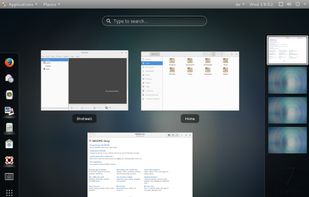


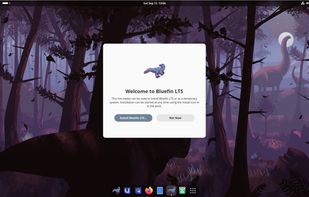
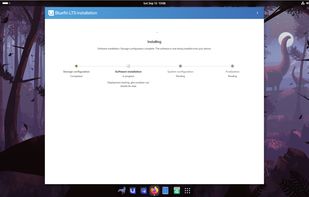
Next-gen Linux workstation focusing on sustainable design, reliability, and power, delivers Chromebook-like ease, GNOME desktop, image-based updating, Flathub application access, GPU drivers, near-zero maintenance, container workflows, developer tools, and cloud-native support.
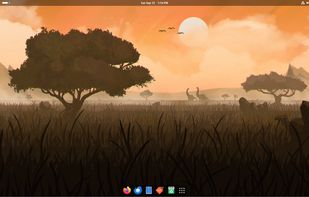


Void is a general purpose operating system, based on the monolithic Linux kernel. Its package system allows you to quickly install, update and remove software; software is provided in binary packages or can be built directly from sources with the help of the XBPS source packages...
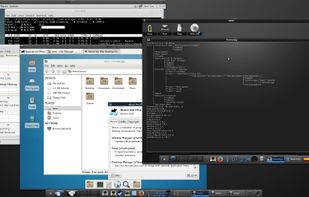
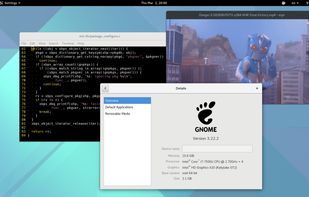
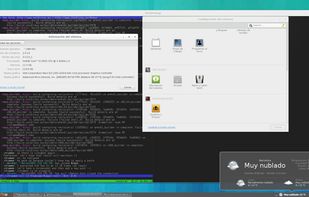


Ubuntu Mate is a stable, easy-to-use operating system with a configurable desktop environment. Ideal for those who want the most out of their desktops, laptops and netbooks and prefer a traditional desktop metaphor.
 United Kingdom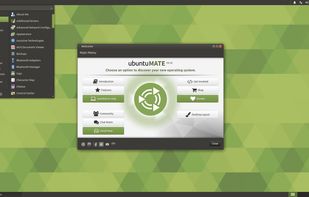


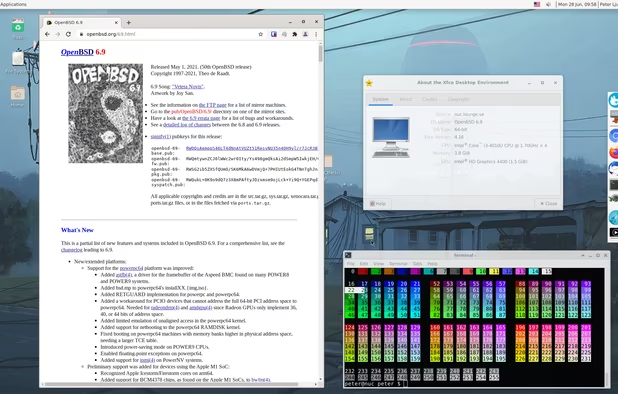
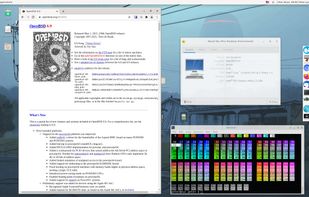
The OpenBSD project produces a FREE, multi-platform 4.4BSD-based UNIX-like operating system. Our efforts emphasize portability, standardization, correctness, proactive security and integrated cryptography.



Devuan GNU+Linux is a fork of Debian without systemd that allows users to reclaim control over their system by avoiding unnecessary entanglements and ensuring Init Freedom.
 Netherlands
 EU
EU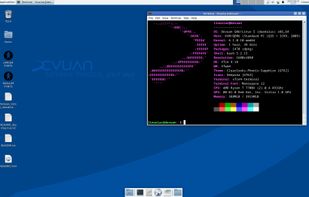


Solus Operating System is a Linux distribution built from scratch, exclusively for desktop systems. There is no scope-creep associated with generic platforms, and the project aims to provide a modern and focused desktop-centric solution, that is designed to keep out of the way...
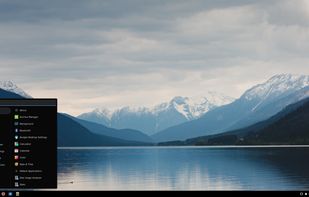


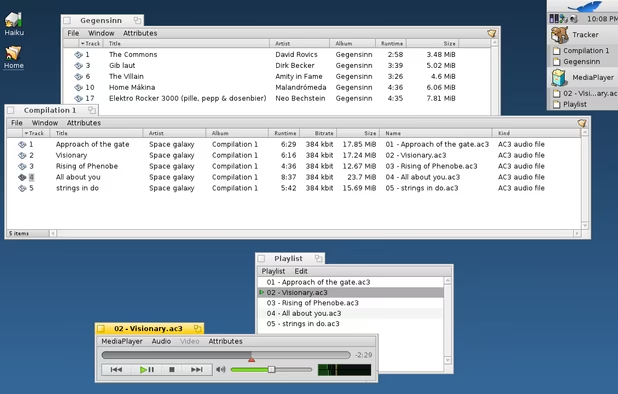
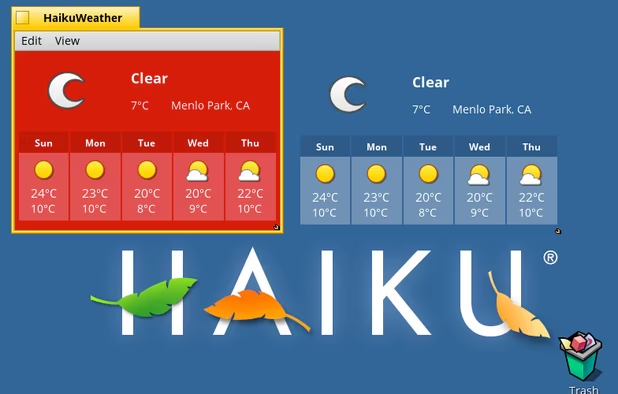
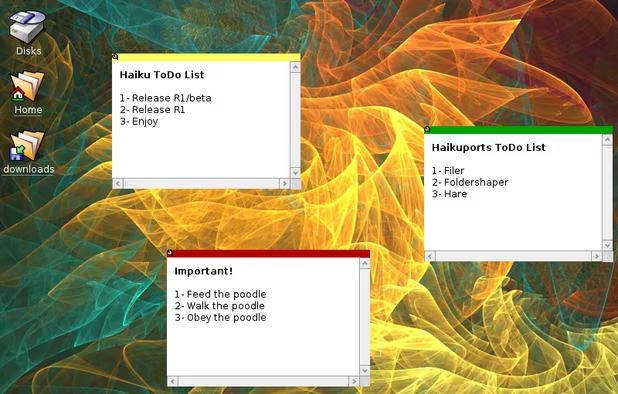
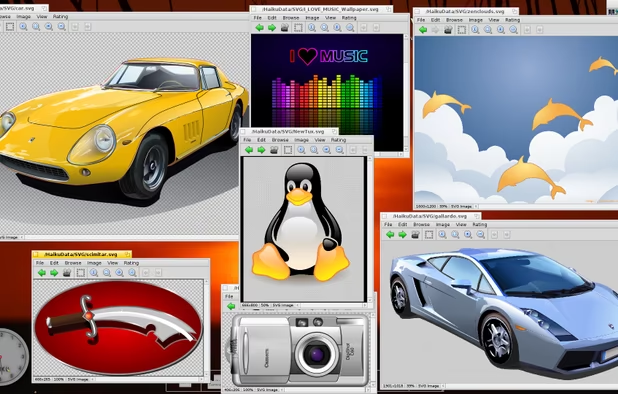
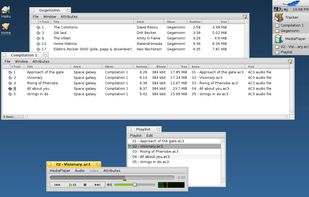
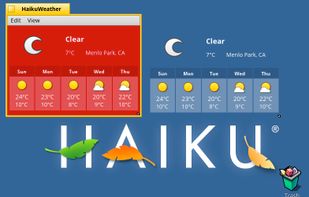
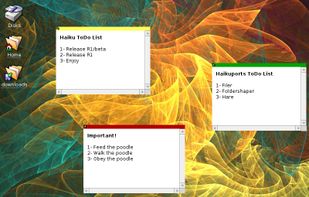
Haiku is an open-source operating system that specifically targets personal computing. Inspired by the BeOS, Haiku is fast, simple to use, easy to learn and yet very powerful.


Red Hat is the leader in development, deployment, and management of Linux and open source solutions for Internet infrastructure - ranging from embedded devices to secure Web servers. Red Hat was founded in 1994 by visionary entrepreneurs Bob Young and Marc Ewing.
United States


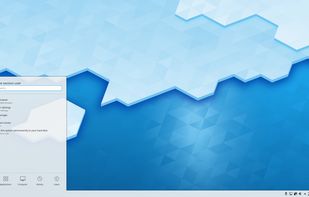
KDE neon is an Ubuntu-based Linux distribution that offers a stable and easy-to-use platform, featuring the latest KDE Plasma desktop and application releases.
 GermanyEU