

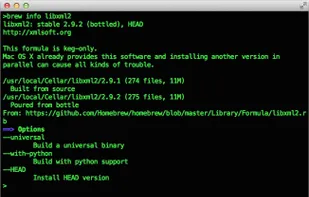
Homebrew is the easiest and most flexible way to install the UNIX tools Apple didn’t include with macOS. Also available for Linux.
 United Kingdom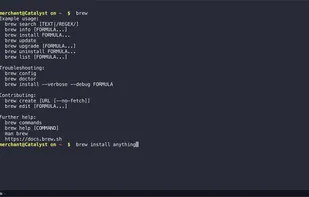
Best alternatives are  Chocolateyand
 UniGetUI
63 alternativesChocolateyandUniGetUI4.1
Very Good11 reviews


Homebrew is the easiest and most flexible way to install the UNIX tools Apple didn’t include with macOS. Also available for Linux.
ChocolateyandUniGetUI
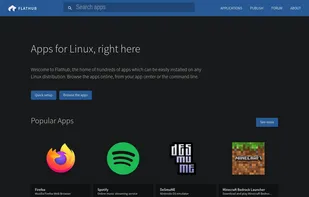
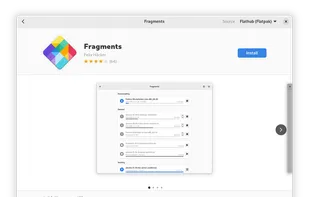
Distributing applications on Linux is a pain: different distributions in multiple versions, each with their own versions of libraries and packaging formats. Flatpak is here to change all that. It allows the same app to be installed on different Linux distributions, including...

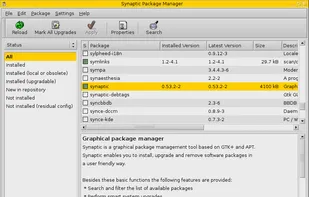
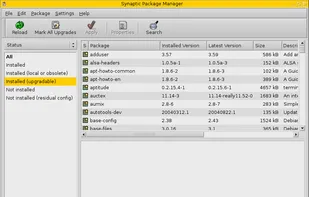
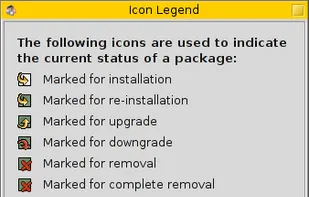
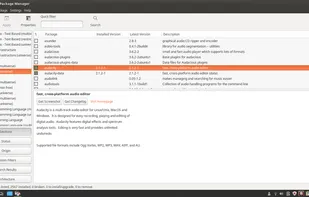
Synaptic is a graphical package management program for apt. It provides the same features as the apt-get command line utility with a GUI front-end based on Gtk+.
 Homebrewand
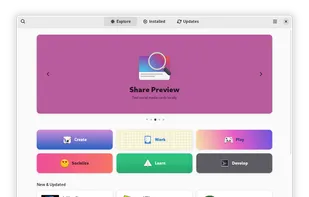
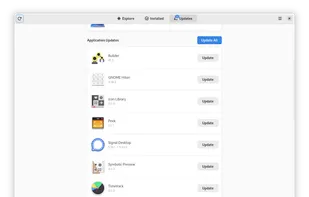
 GNOME Software
 F-Droidand

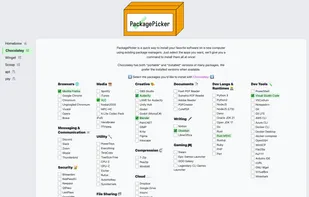
PackagePicker is a quick way to install your favorite software using existing package managers. Go through the checklist, select the apps you want, and get a command to install them all at once!

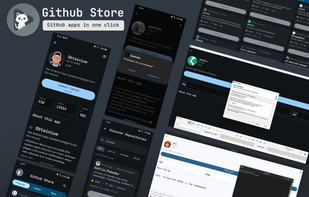
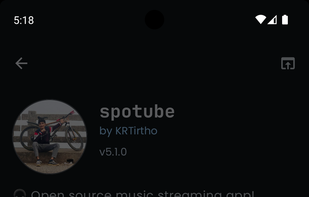
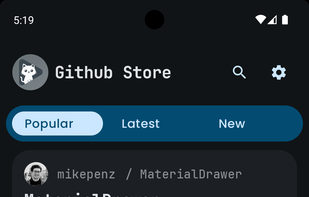
A free, open-source app store for GitHub releases — browse, discover, and install apps with one click. Powered by Kotlin and Compose Multiplatform for Android & Desktop.

The Snap Store gives you instant access to thousands of free and open-source applications. And now you can buy apps from some of the leading providers too. All our software is easy to find and install so you can have a customised desktop that suits you in no time.
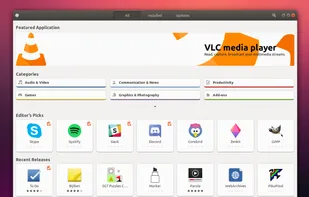
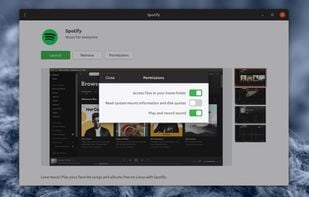
 FlathubandGNOME Software
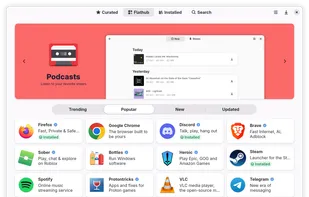
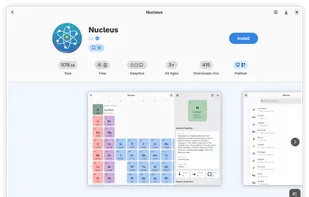
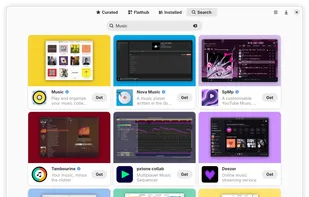
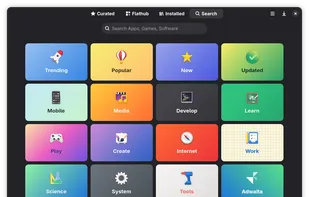
Bazaar is a new app store for GNOME with a focus on discovering and installing applications and add-ons from Flatpak remotes, particularly Flathub. It emphasizes supporting the developers who make the Linux desktop possible.

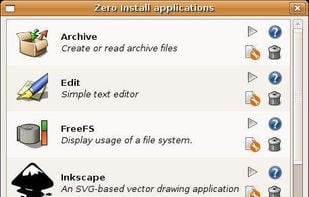
Zero Install is a decentralised cross-distribution software installation system. Other features include full support for shared libraries, sharing between users, and integration with native platform package managers.


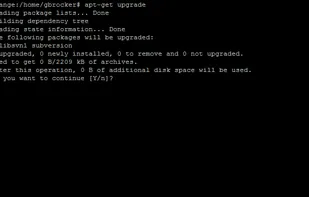
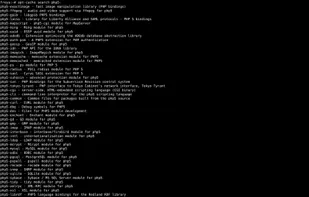
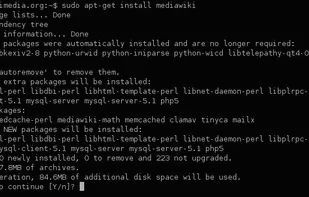
Apt (for Advanced Package Tool) is a set of core tools inside Debian. The user interface application for Apt is aptitude.
 ChocolateyandHomebrew
Nix is a powerful package manager for macOS, Linux and other Unix systems that makes package management reliable and reproducible. It provides atomic upgrades and rollbacks, side-by-side installation of multiple versions of a package, multi-user package management and easy setup...
ChocolateyandHomebrew
Warehouse is a versatile toolbox for managing flatpak user data, viewing flatpak app info, and batch managing installed flatpaks.
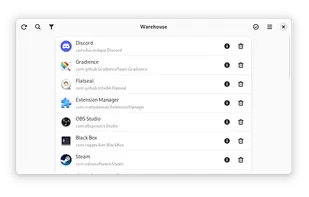
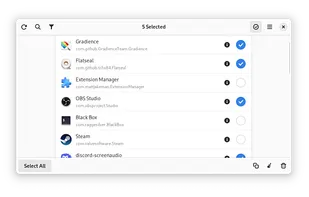
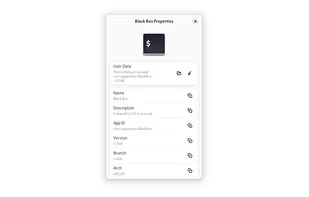
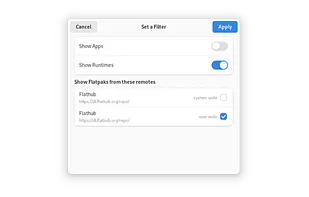 UniGetUIandChocolatey
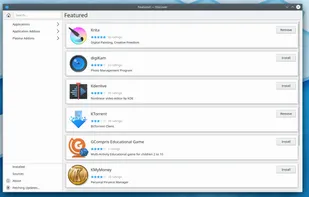
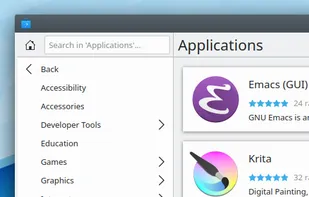
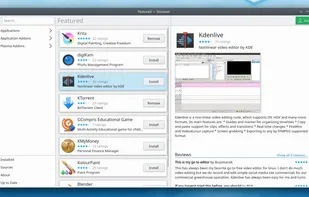
Utility for KDE's Plasma desktop environment for browsing, installing, and removing applications, implemented as an app store like application.

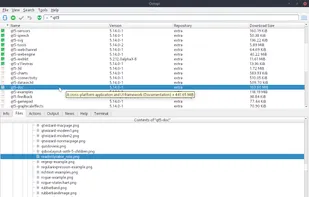
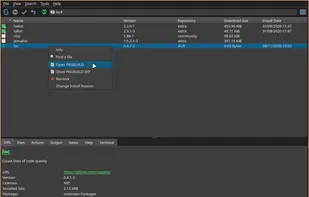
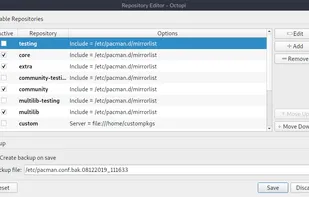
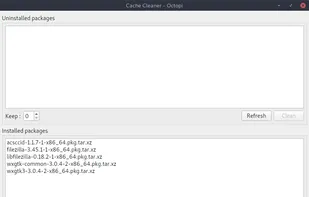
Octopi is the highest rated graphical user interface for the Arch Linux pacman package management tool in AUR. It is written in C++ using the Qt toolkit and its source code is hosted on GitHub. The first commits date from February 2013.

 GNOME Software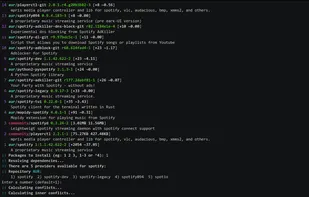

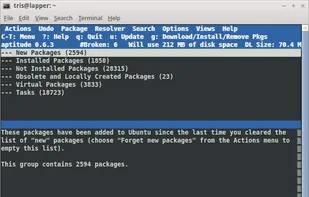
aptitude is a terminal-based frontend for Advanced Package Tool (APT) with a number of useful features, including: a mutt-like syntax for matching packages in a flexible manner, dselect-like persistence of user actions, the ability to retrieve and...
 Chocolateyand
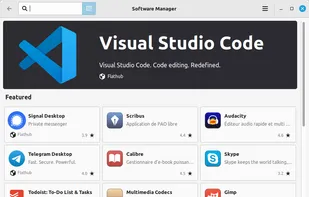
A software manager for the Linux Mint operating system to easily install new applications.
 F-DroidandChocolatey
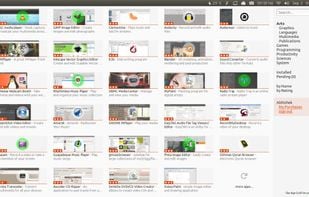
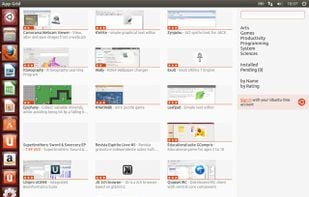
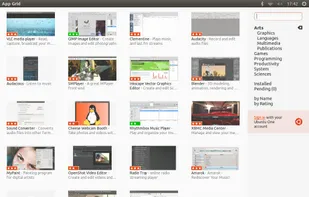
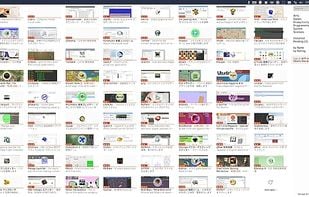
App Grid is a new lightweight Snap Store alternative that tries to make application discovery easier by using a grid view which includes app screenshots and ratings.
 Chocolateyand

GDebi lets you install local deb packages resolving and installing its dependencies. apt does the same, but only for remote (http, ftp) located packages.
 Bazaar App Store
 GNOME Software
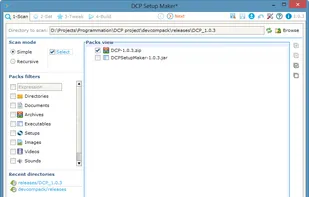
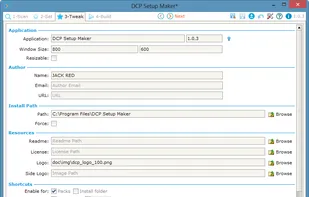
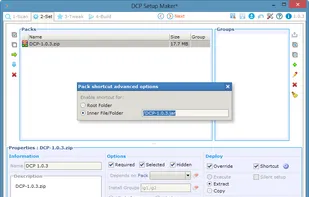
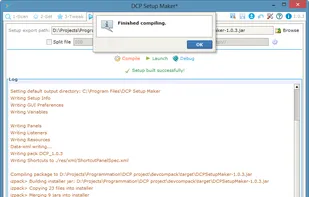
Powerful simple-to-use application to generate stable and multi-platform installers. Its intuitive user interface and exceptional ease of use makes it very easy to build complex desktop or web installers with large amounts of files.


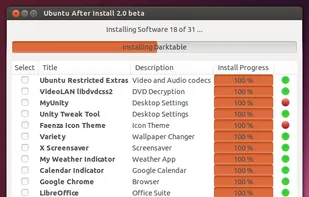
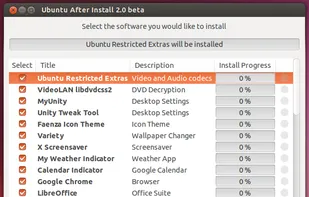
This program installs a collection of some of the best Ubuntu software and can be considered to be one of the top things to do after installing Ubuntu.
 Chocolateyand
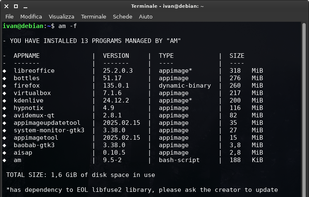
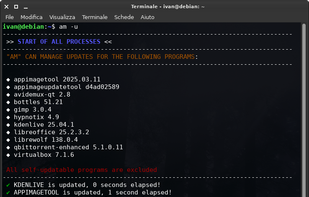
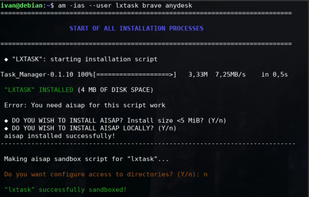
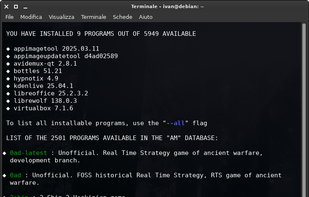
AUR-inspired database, and package manager to install, update (for real) and manage ALL AppImages and other portable formats for GNU/Linux, system-wide or locally, with the ease of APT and the power of PacMan.
 ChocolateyandHomebrew
Pacstall will attempt to become the AUR Ubuntu wishes it had. It takes the AUR and puts a spin on it, making it easier to install programs without scouring github repos and the likes.

 United States


 Netherlands
 EU
EU

 Germany


 Ireland


 Morocco
 South Africa
 Italy
Italy