


Discover, Share, and Connect: Your Gateway to Independent Music and Podcasts.
Cost / License
- Free
- Proprietary
Application typeApplication types
Platforms
- Mac
- Windows
- Linux
- Online
- Android
- iPhone
- Android Tablet
- iPad
- Snapcraft
- Apple TV
 Türkiye



+9
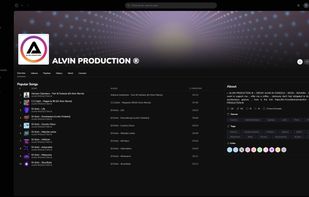


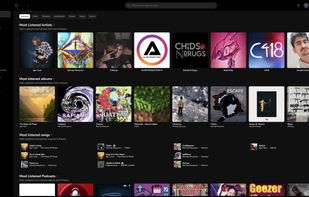
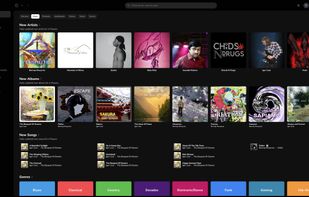
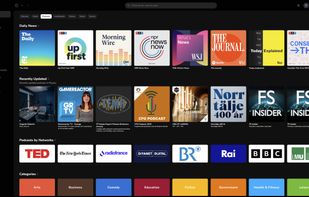
Spotify streams online music with browsing by genre, playlists, artists, and albums, plus offline listening via Premium. Users praise its playlist creation and catering to different music tastes through discovery and recommendations, though some are frustrated by features being removed over time.
Deezer is the top-ranked Spotify alternative here, offering offline listening, lyrics support, and a large music catalog with synchronized lyrics and a karaoke-style experience. SoundCloud ranks highly and stands out for community discovery and tools that support smaller artists. YouTube Music combines music and video streaming with recommendations based on your listening taste.
For audiophiles, TIDAL focuses on lossless and Hi-Res FLAC playback for listeners who care most about audio fidelity. Bandcamp emphasizes buying music often DRM-free and sending most payments directly to artists. These Spotify alternatives range from mainstream streaming subscriptions to self-hosted servers and creator-first marketplaces that emphasize ownership and artist support.
Open source options like Funkwhale, Spotube, and Ampache offer transparency and privacy-focused playback for users who prefer open-source software. Linux users have native desktop options through Funkwhale, Spotube, and muffon for workflows outside Windows and macOS.
For lossless audio, Apple Music and Qobuz highlight higher-fidelity listening than typical streaming, appealing to audiophiles. Offline listening extends beyond Spotify Premium with TIDAL, Deezer, and Apple Music all supporting downloads for travelers and commuters.
Personalized recommendations remain strong across YouTube Music, Deezer, and Apple Music for listeners who rely on discovery algorithms similar to Spotify. AirPlay support appears in Deezer and Apple Music for easy playback to Apple speakers and receivers, benefiting Apple ecosystem listeners. Dark mode comes standard in Deezer, YouTube Music, and Apple Music, matching a common Spotify preference for night listeners.
Discover, Share, and Connect: Your Gateway to Independent Music and Podcasts.
Türkiye
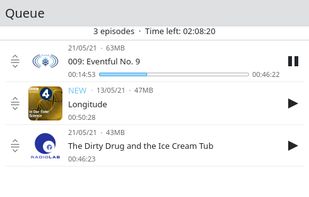
Anytime Podcast Player is a free and open-source podcast player that's designed to be simple and easy to use. Anytime is Podcasting 2.0 ready and will support more features as the app is developed.
 United Kingdom



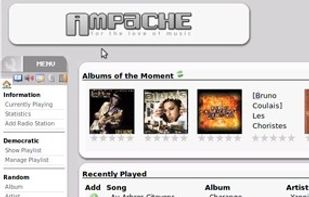
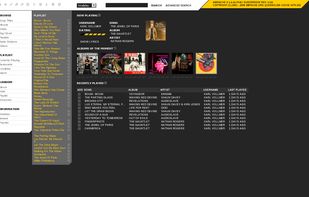
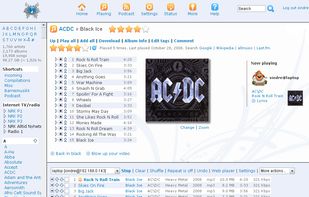
Ampache is a web based audio streaming application and file manager allowing you to access your music from anywhere, using almost any internet enabled device.
 Germany
 EU
EU



Subsonic is a free, web-based media streamer, providing ubiquitous access to your music and video. Use it to share your music with friends, or to listen to your own music while at work. You can stream to multiple players simultaneously, for instance to one player in your kitchen...
 Norway
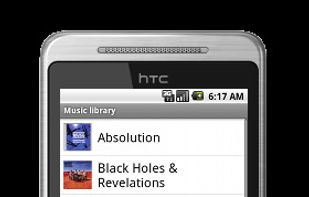
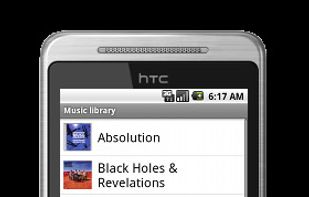


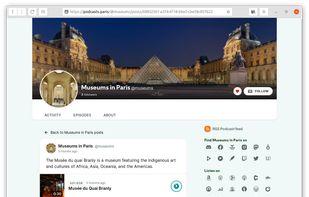
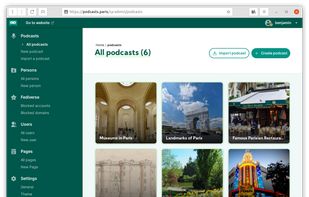
Open-source self-hosted platform for managing and distributing podcasts with direct audience engagement through Fediverse, decentralized social features, GDPR-compliant analytics, RSS distribution, promotion tools, monetization options, and Podcasting 2.0 standards.
 FranceEU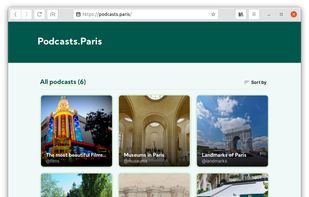


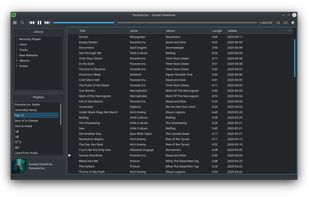
A Spotify client using Qt as a simpler, lighter alternative to the official client, inspired by spotify-tui. Much like spotify-tui, you need an actual Spotify client running, for example spotifyd, which can be configured from within the app.


Kasts is a podcast application for mobile Linux devices. It is a part of the Plasma Mobile app collection.
GermanyEU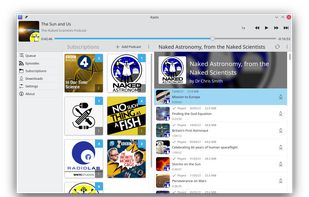


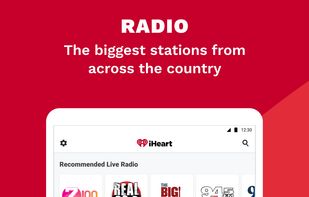
iHeart offers freemium access to a wide range of audio content including live radio, podcasts, music playlists, and sports updates. Available across multiple devices, it allows for playlist curation, personalized stations, trending podcasts, and has premium options such as ad-free listening and offline access.
 United States


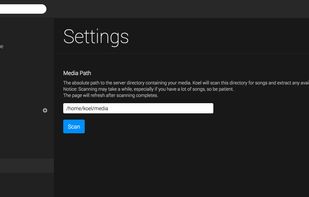
A personal music streaming server that works.
If you want to use the mobile apps, you have to pay for it.
 Vietnam


The frontend app for delivering musical content registered in Spotify by using YouTube's API. It does not require any account to use the app and allows to anonymously listen to music, podcasts, etc.
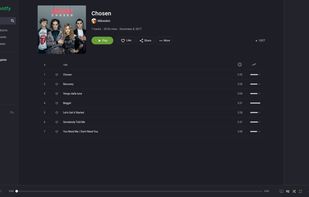
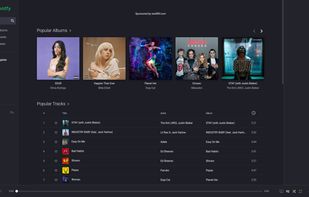
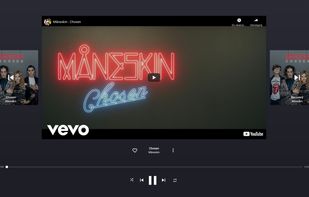
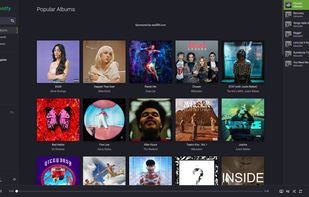


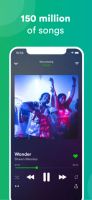
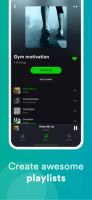
Always listen to your music playlist and from every device you want with eSound!






 Austria


