

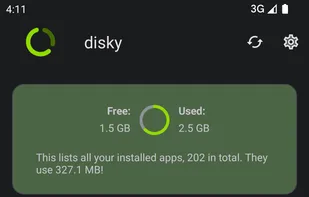
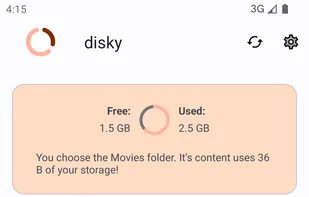
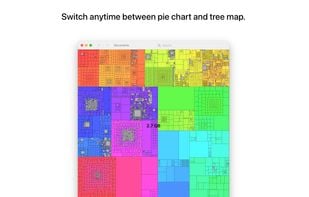
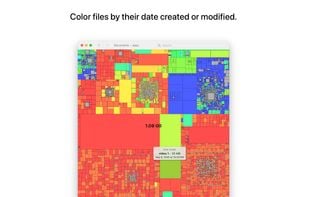
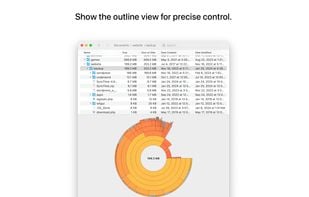
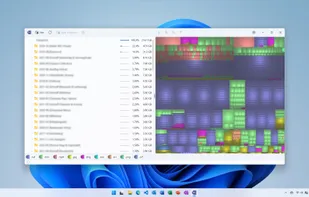
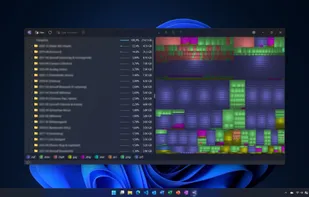
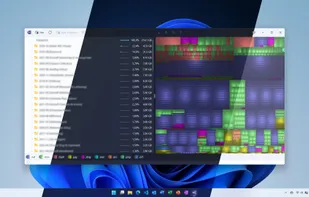
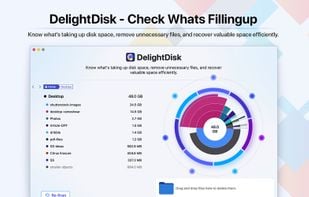
disky can analyze your device and show your data split by directory. Apps are also included, so you get the full picture of what uses your storage.
 Germany
 EU
EU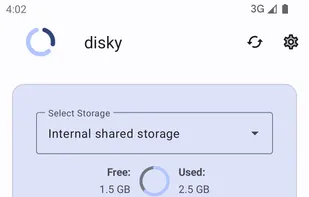
Best alternatives are  WinDirStatand
 WizTree
9 alternativesWinDirStatandWizTree

disky can analyze your device and show your data split by directory. Apps are also included, so you get the full picture of what uses your storage.
WinDirStatandWizTree
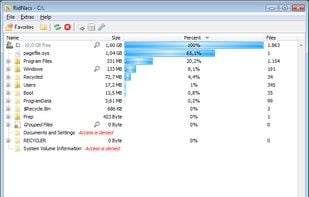
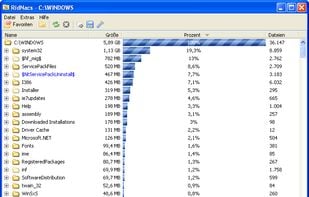
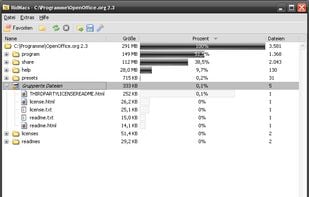
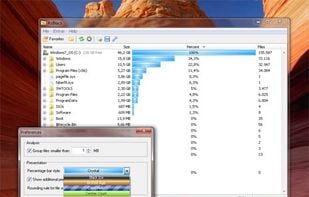
RidNacs is a very fast disk space usage analyzer for Microsoft Windows. It scans your local drives, network drives or single directories and produces a tree view with a percentage bar chart column. This gives the user a quick and easy way to identify the largest directories and...
 WinDirStatandWizTree
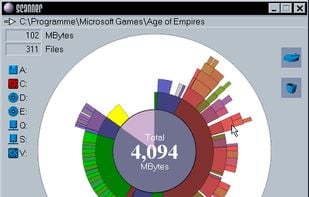
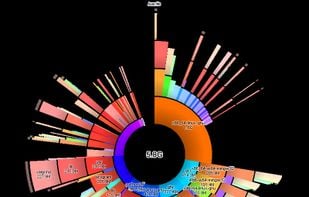
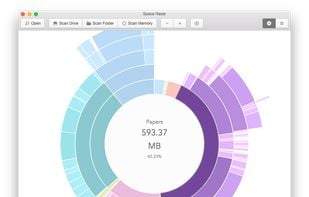
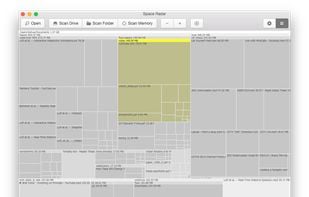
This tool uses a sunburst chart to display the usage of your hard disk or other media. The chart shows all major files and folders from all directory levels at once.
 WinDirStatandWizTree
OmniDiskSweeper is a Mac OS X utility for quickly finding and deleting big, useless files and making space on your hard disks. OmniDiskSweeper scans your disks and highlights the biggest files, so you can determine what's using up your disk space.
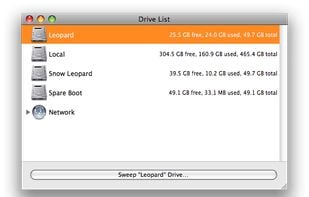
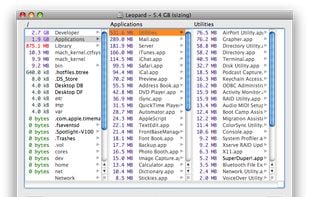
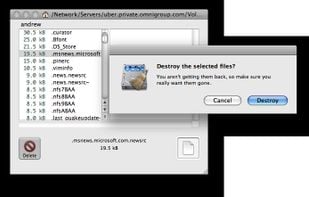 WinDirStatandWizTree
Disko is a small minimalist MacOS application that allows you to see how much disk space individual application are using. It is broadly inspired by the Disk Usage Analyzer application on GNU/Linux.
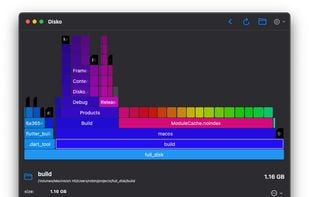
 Baobab Disk Usage Analyzer
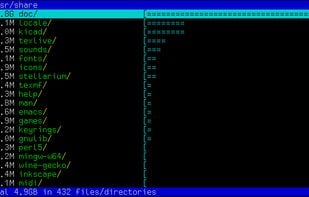
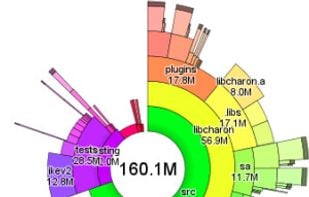
Duc is a collection of tools for inspecting and visualizing disk usage.
Duc scales quite well, it has been tested on systems with more than 500 million files and several petabytes of storage.
 WinDirStatandWizTree
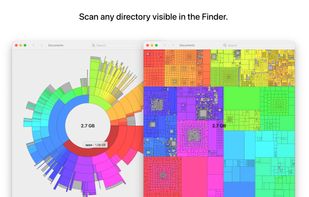
Inspect your disk and find the files that occupy the most space or that haven’t been modified in a long time.
 WinDirStatandWizTree
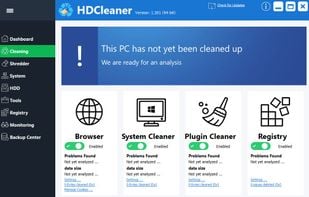
HDCleaner offers a comprehensive toolkit for system maintenance under Windows. Whether you clean the hard disk or the registry, encrypt data, split files, remove traces of use, backup the registry, defragment or search and replace registry keys, values and data with super fast...
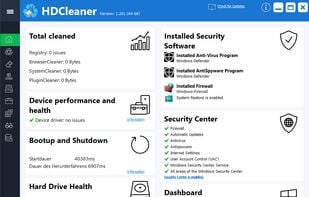
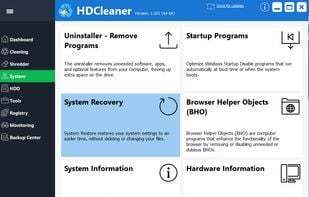
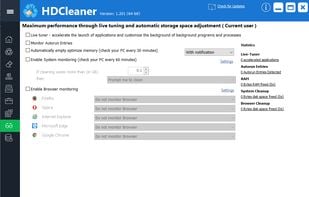
 CCleanerand
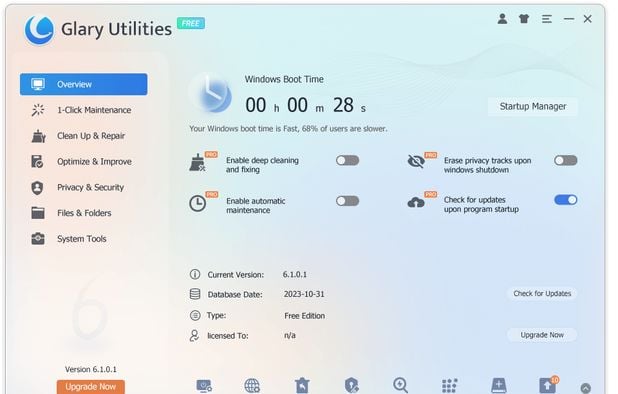
 Glary Utilities
SMART Report Viewer helps visualize the output of smartctl tests, entirely in your browser. Drag and drop txt, log, or zip files (including Unraid diagnostics) to quickly understand the health of your drives.



 CrystalDiskInfo
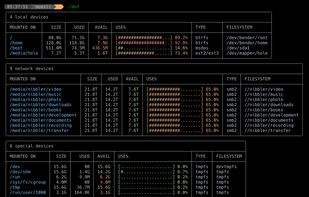 WinDirStatandWizTree
 WinDirStatandWizTree
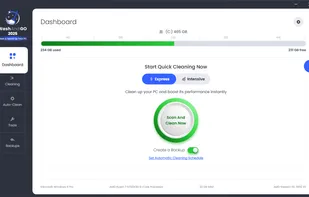
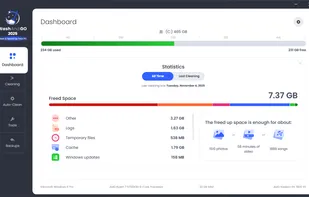
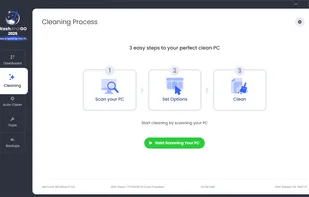
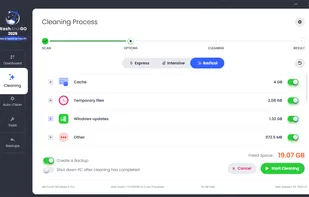
The No.1 PC cleaner: removes data junk quickly and safely, finds up to 8x more junk data than the competition and optimised for over 20 years.

Has your Mac become slow and unresponsive? Has it lost some of the zing it used to have? Are you getting unexpected crashes and error messages? Is your Macbook getting hot and the fan running constantly?
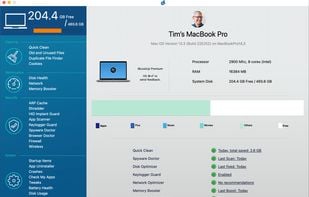
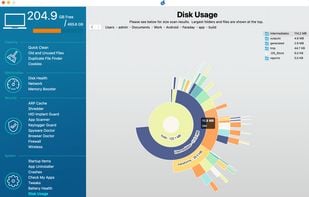
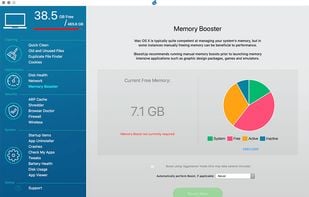
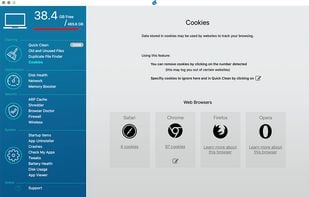
 Moleand
 CleanMyMac
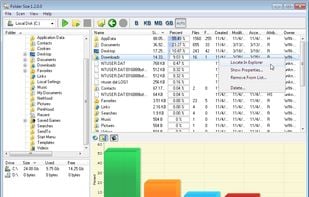
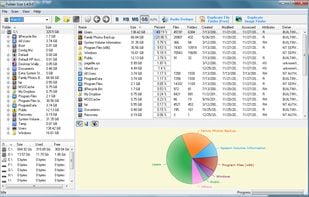
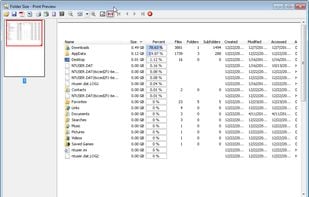
Folder Size analyzes your hard drives and displays file and folder sizes so that you can easily check the distribution of your disk space. The application will display the sizes of the folders and files and also the percentage of the total disk size that they occupy in a bar...
 WinDirStatandWizTree
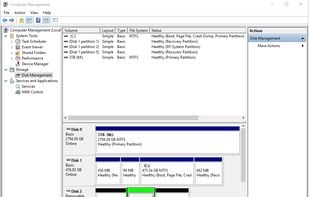
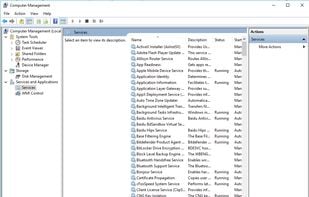
"Windows Computer Management" or just "Computer Management" has various features for Windows like Windows Disk Management, Service control, Device Manager, WMI Control, Performance Monitoring, Event Viewer and...
 GPartedand
 DAEMON Tools
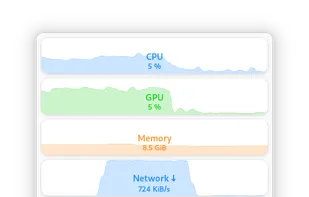
Monitorets is a small utility application offering a simple and quick view at the usage of several of your computer resources. Almost like an applet or a widget for your Linux desktop.
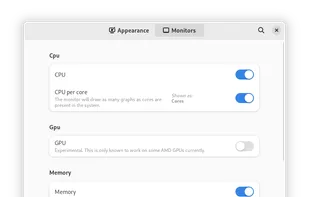
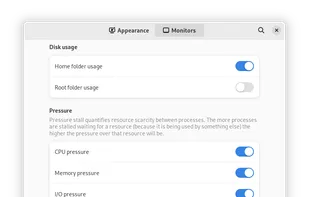
 CPU-Zand
 HWiNFO (32/64)
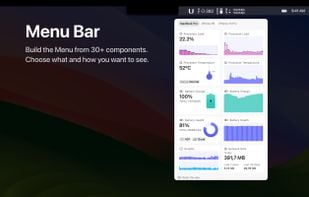
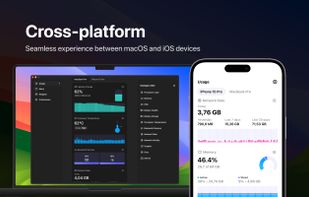
System Activity Monitor for Mac, iPhone, and iPad. Customizable, precise, and lightweight apps to keep an eye on the activity and performance of your devices.
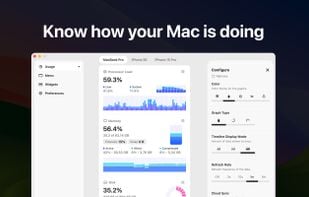
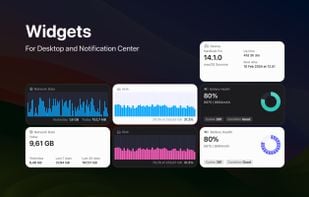
 Process Explorerand
 htop
htop
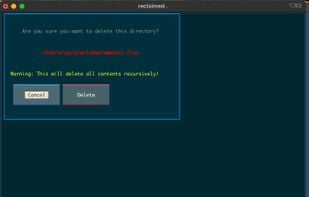
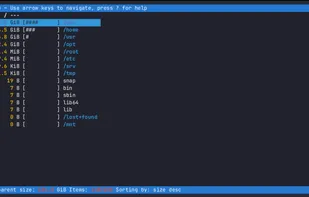
Reclaimed is a cross-platform, ultra-lightweight, and surprisingly powerful command-line tool for analyzing disk usage — with special handling for iCloud storage on macOS.



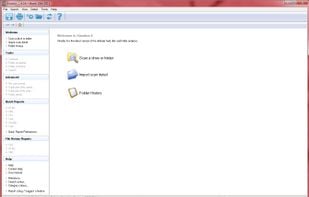
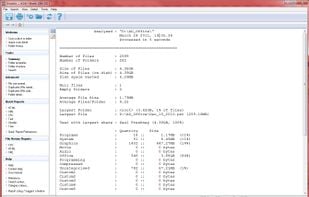
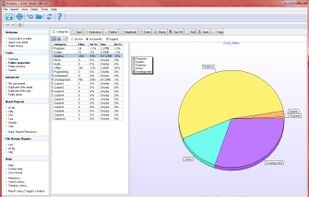
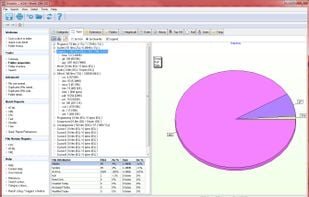
Xinorbis is a completely FREE, powerful Windows-based data storage analyser for single users or network administrators. Provides an instant visual display of the contents of a hard disk, single or multiple directories. Output reports to XML, CSV, HTML or plain ASCII.
 WinDirStatandWizTree
 WinDirStatandWizTree
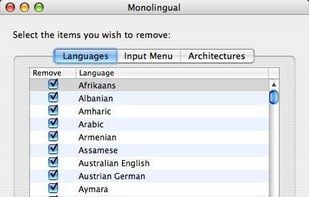
Monolingual is a program for removing unnecessary language resources from OS X, in order to reclaim several hundred megabytes of disk space.
 CCleanerand
 AVG PC TuneUp
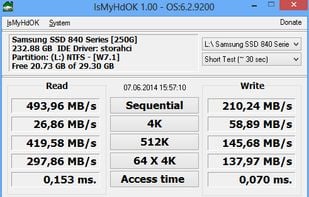
IsMyHdOK is a small program but effective solution to easily check the Performance of a Windows Volume eg. Partition!
 CrystalDiskInfo
 WinDirStatandWizTree
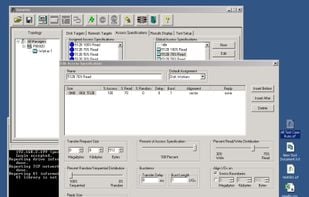
As the Iometer Users Guide says, Iometer is an I/O subsystem measurement and characterization tool for single and clustered systems. It was originally developed by the Intel Corporation and announced at the Intel Developers Forum (IDF) on February 17, 1998 - since then it got...
 CrystalDiskMarkand
 HD Tune
 WinDirStatandWizTree


 United States


 United Kingdom




 Czechia