

 China


The best IDE alternative to Zed is Visual Studio Code, which is free. If that doesn't suit you, our users have ranked more than 100 alternatives to Zed and loads of them are IDEs so hopefully you can find a suitable replacement. Other interesting IDE alternatives to Zed are VSCodium, Sublime Text, Vim and Eclipse.
China
Aptana Studio is a complete web development environment that combines powerful authoring tools with a collection of online hosting and collaboration services that help you and your team do more. Includes support for PHP, CSS, FTP, and more...
 United States


Trae is an adaptive AI IDE that transforms how you work, collaborating with you to run faster.
 Singapore



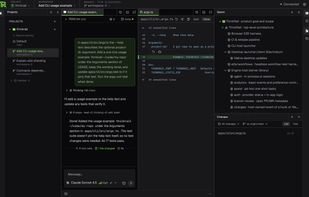
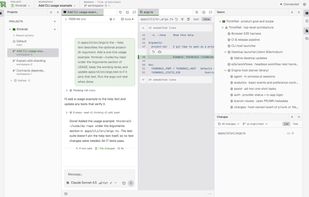
ThinkRail is the agentic IDE that gets better every time you use it — learning your project through living specs today, and building its own capabilities tomorrow.
 Czechia
 EU




With Theia you can develop one IDE and run it in browsers or native desktop application from a single source. Theia is designed in a modular way to allow extenders and adopters customizing and extending every aspect of it.
United States



A powerful IDE for data science, Zasper excels with massive concurrency support, enabling numerous simultaneous connections, minimal memory usage, and speedy performance. Suited for REPL-style data apps like Jupyter notebooks, fully supported on Mac with limited Linux support.
 India




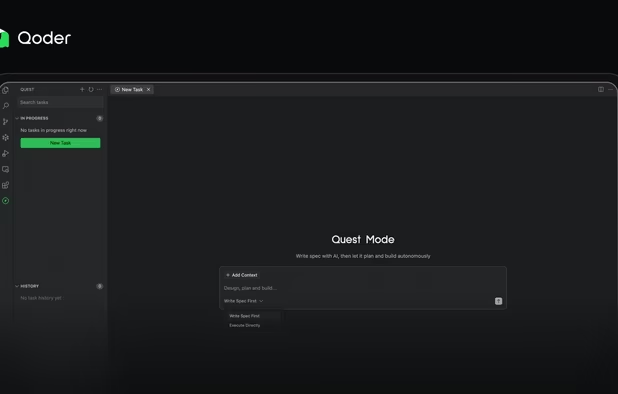
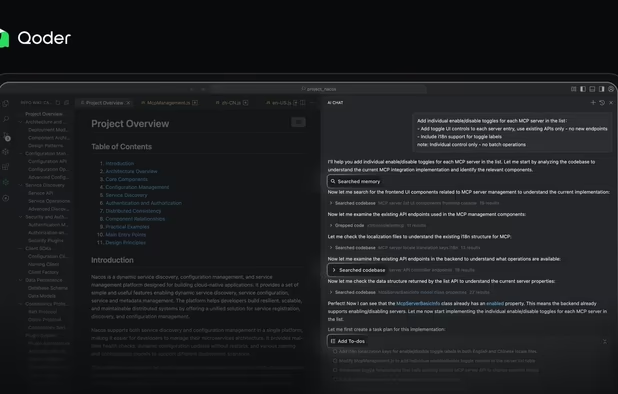
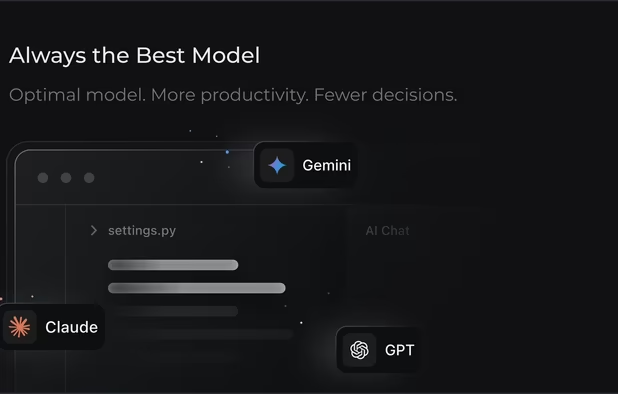
Qoder is an AI-powered agentic coding platform and IDE that automates complex software development tasks using autonomous AI agents.
China


Write, build, and run real applications directly on your Android phone, tablet, or desktop setup.

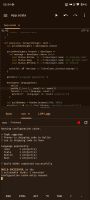



Vampirio Code is a versatile open source editor and IDE with syntax highlighting and multi-language compilation, integrated with various compilers and tools.
 Argentina


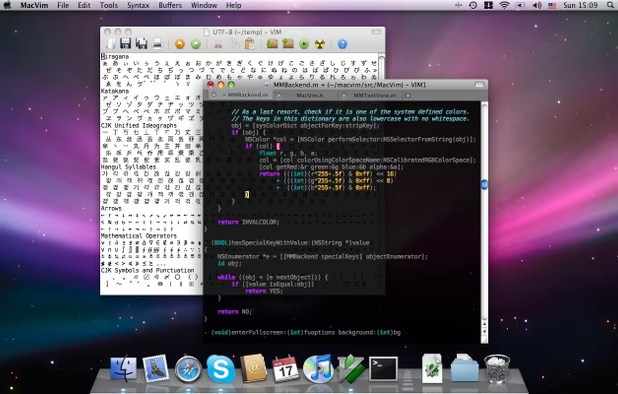
MacVim is a port of the text editor Vim to macOS. MacVim supports multiple windows with tabbed editing and a host of other features such as:
 GermanyEU


Light Table is a new interactive IDE that lets you modify running programs and embed anything from websites to games. It provides the real time feedback we need to not only answer questions about our code, but to understand how our programs really work.