Lavagna is an open-source issue/project management tool designed for small teams. Lightweight, easy to install, easy to use.
Cost / License
- Free
- Open Source
Application types
Platforms
- Self-Hosted


Futuramo Visual Tickets is described as 'Cloud-based web app for project communication: ticketing, bug tracking, request management, feedback gathering and ideation' and is a project management tool in the office & productivity category. There are more than 25 alternatives to Futuramo Visual Tickets, not only websites but also apps for a variety of platforms, including SaaS, Self-Hosted, Mac and Windows apps. The best Futuramo Visual Tickets alternative is Redmine, which is both free and Open Source. Other great sites and apps similar to Futuramo Visual Tickets are Taiga.io, Quire, JIRA and Basecamp.
Lavagna is an open-source issue/project management tool designed for small teams. Lightweight, easy to install, easy to use.


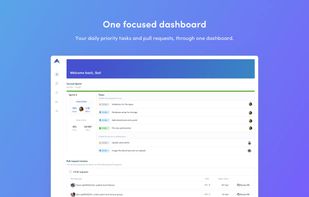
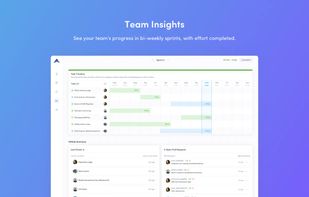
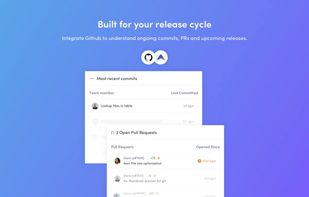
Tara helps teams focus on their release cycle and meet their sprint goals. With predictions, Tara delivers insights around your development data, to accelerate software delivery milestones.


CxPlanner is the commissioning platform that helps Cx professionals move faster and make more progress with optimized flows and AI. Built for Cx-teams who are frustrated with CxAlloy, Bluerithm, Facility Grid and Excel.


Tickets allows you to quickly create and edit FogBugz cases, including integrated screenshots and drag and drop attachments.


Create & Manage your New Business (or) Product Development activities with your team by collaborating effectively.


Free: Open source with Apache license. No plans. No limits. You can install it in your own servers.

Roundrush is the first workflow management platform that teaches you a new, quality-oriented way to work. It is not just an other workflow management platform. It's different, because our agile methodology merges the best from KANBAN, SCRUM and TDD.


Enpointer is a modern issue tracker for agile software teams. It lets teams follow scrum methodology by planning and creating sprints and boards to track the status of issues. It can be used to track bugs, user stories, epics, versions etc organised in various projects.