Platforms
- Android
- Android Tablet
- F-Droid



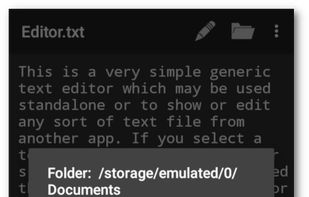

+2
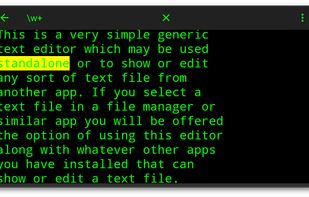


Visual Studio Code is a cross-platform, extension-driven code editor with IntelliSense-style completion plus integrated Git and debugging workflows. Users praise its versatility and ease of use for many programming workflows, though some complain it can feel resource-intensive and may get slower over time, especially after updates.
VSCodium tops the rankings as a fully open-source build of Code - OSS that removes telemetry while keeping most VS Code functionality and extensibility. Privacy-focused developers who want a VS Code-like experience often choose VSCodium specifically to avoid telemetry, though some Microsoft extensions may be unavailable. Sublime Text ranks second and is repeatedly praised for outstanding speed and being less resource-intensive than VS Code, making it popular with developers on slower machines or large projects.
The alternatives landscape spans lightweight text editors like Vim and Notepad++ to newer AI-first editors like Zed Editor, with over 100 alternatives covering code editors, full IDEs, and terminal-based editors.
Visual Studio Code is a code editor, but the alternatives span different approaches to development workflows. Open source options like VSCodium, Vim, and GNU Emacs appeal to users who want transparent licensing and community-driven tooling. For privacy-focused development, VSCodium and Helix emphasize no-tracking and telemetry prevention features.
Linux users have native options in VSCodium, Kate, and Lapce. Web-based development suits users who want browser-based environments - Replit and Firebase Studio run online for coding without local setup. For developers who live in the terminal, Micro, Neovim, and Helix target command-line workflows useful for SSH-heavy or low-overhead environments.

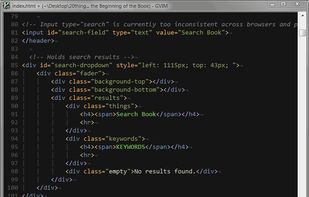
Aubrey’s gVim is, well, Aubrey's gVim! The project arose out the his personal desire to use Vim as my HTML, CSS, PHP & Javascript editor.


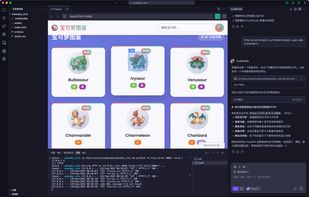
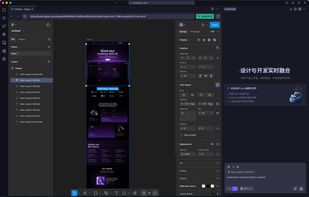
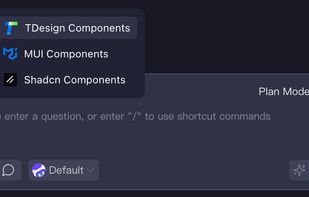
CodeBuddy IDE is built to create a symbiotic environment where product, design, development, and deployment flow into one another without friction. By embedding AI deeply into every step—from requirement planning and product design to coding and go-live—it delivers a one-stop...
 China
China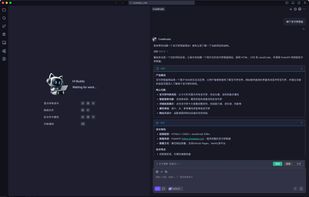


Unleash the power of Java coding on your iPhone or iPad with CodeBrew - the ultimate Java Integrated Development Environment designed for developers on the go. Dive into the world of seamless coding, whether you're a seasoned pro or just starting your programming journey.





RJ TextEd is a full featured text and source editor with Unicode support, syntax highlighting and code folding. The functionality extends beyond text files and includes support for HTML editing with integrated preview, spell checking, auto completion, HTML validation, templates...
 Sweden
 EU
EU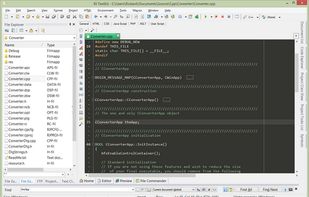
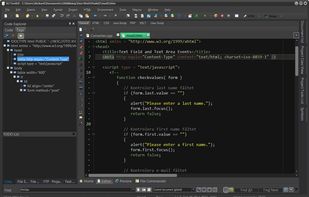
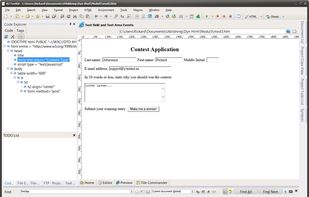
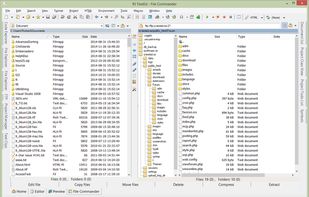


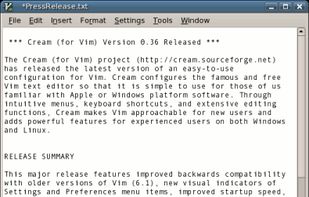
Cream is a free text editor.
A modern configuration of the powerful and famous Vim , Cream is for Microsoft Windows, GNU/Linux, and FreeBSD.




EditPlus is a text editor, HTML editor and programmers editor for Windows. While it can serve as a good Notepad replacement, it also offers many powerful features for Web page authors and programmers.
 South Korea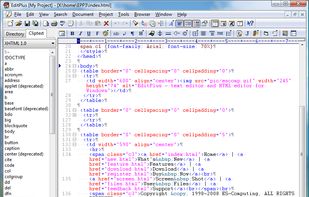


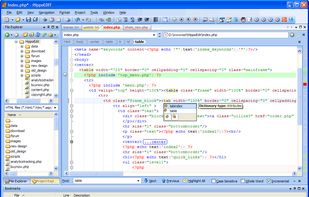
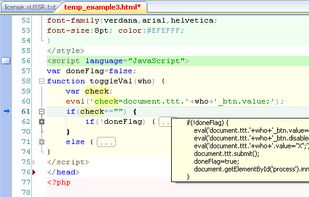
HippoEDIT is a powerful, fast and easy to use Windows text editor, primarily targeted at power users and programmers. It has modern and lightweight user interface, which supports different interface schemes, Multi Tab environment, seamless web and help browser, File Explorer and...


 FranceEU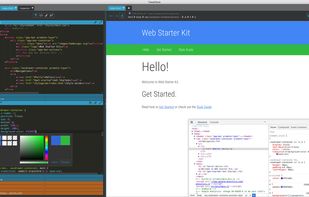


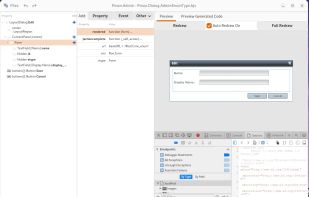
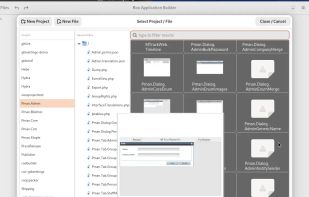
It's a cross between Glade / Visual Studio — the idea is that most 'action' code for an application is actually quite simple - so entering the code on the event handlers for a widget makes the proximity of code to action better.
 Hong Kong SAR China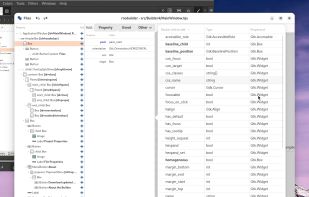


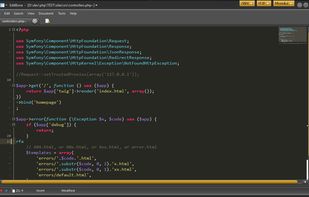
Text Editor Pro (formerly EditBone) is a powerful text editing tool that comes with syntax highlighting, support for over 50 languages and scripts, 22 different styles, a handy file comparison feature and support for multiple directories and search results.
 HungaryEU


Line0 is the first AI pair programmer designed and built specifically for backend developers. You can build a production-ready backend API services in minutes with just a few prompts.
 United Kingdom