Cost / License
- Free
- Proprietary
Application type
Platforms
- Online
 France
 EU
EU



+4


Canva is a web-based, drag-and-drop design tool for quickly creating graphics using templates, with basic image editing and collaboration. Users call Desygner one of the closest Canva replacements, praising extra design options and an easy-to-use workflow.
Canva alternatives split between template-first social design tools and pro UI/vector tools. Desygner leads as the top-ranked alternative, built around templates plus AI-powered design assistance and stock imagery. Penpot ranks second with open-source responsive layouts and code inspection for designer–developer collaboration.
For offline desktop editing, Affinity ranks third as a professional suite combining photo editing, vector illustration, and layout with non-destructive editing. Users praise PosterMyWall for being free, very easy to use, and packed with templates for quick marketing graphics. Penpot supports interactive prototyping with animations, transitions, and flow rates to simulate real user interactions.
Canva is an image editor, but open source transparency seekers have options in Penpot and Aktivisda. Organizations needing control over where designs live can self-host alternatives like Penpot, Picmaker, and Aktivisda. For users making presentations and infographics beyond general-purpose graphics, visme and Genially target these specific workflows.
Photographers and photo editors prioritizing retouching over templates can choose Pixlr and Luminar Neo, which emphasize photo enhancements including AI tools. Browser-based workflows benefit from Vectr, VistaCreate, and Adobe Express, which run online for quick access without installs. Windows users have desktop options in Affinity, Figma, and Pixlr, while Mac users can choose Affinity, Figma, and Affinity Designer. Mobile creators have iPhone and Android workflows covered by Desygner, Pixlr, and PicsArt.
FranceEU
Craft stunning graphics with Adobe Express, featuring thousands of templates, icons, and fonts. Sync projects across devices and access powerful effects and finishes on mobile or web.
 United States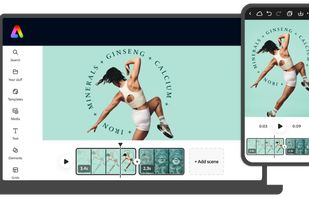
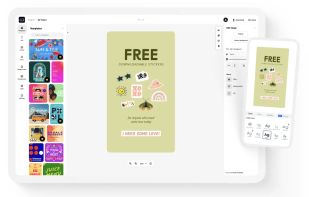
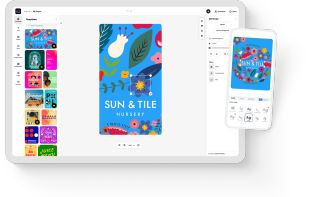



Produce animated cards for marketing campaigns using a simple, user-friendly editor with no need for design experience. Streamline content creation for Instagram, TikTok, and YouTube to increase views, drive engagement, and promote events or announcements efficiently.
 China
China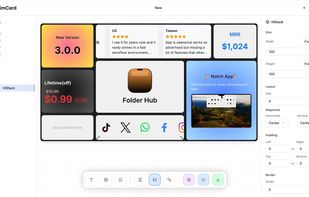

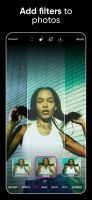
Offers photo filters, magic effects, drawing tools, stickers, and customizable text. Includes collage layouts, color adjustments, and cropping. Features a built-in camera, live effects, drawing layers, and direct sharing to a global community and external networks. Multi-language support.
United States
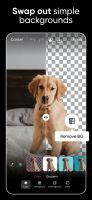


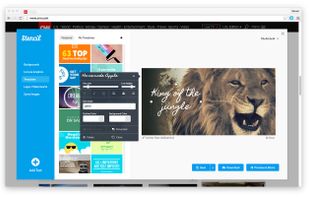
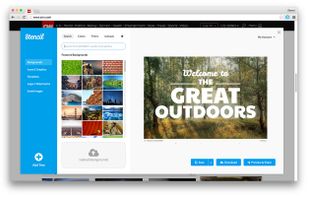
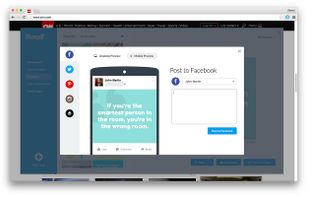
Creating visual content should be simple, fun and lightweight. Stencil is designed to help you create beautiful looking images faster than ever before. Even if you've never used an image editing program, you can pick Stencil up and use it in seconds.
 Canada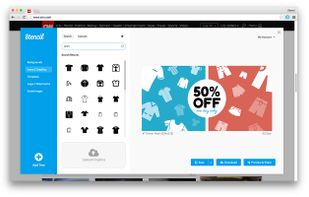


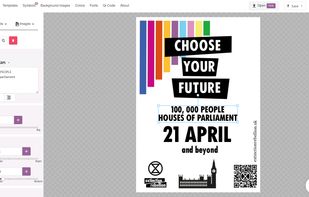
Aktivisda is a web application to facilitate the creation of visuals that use the graphic charter of an organization, and the spreading of this graphic charter.
 United Kingdom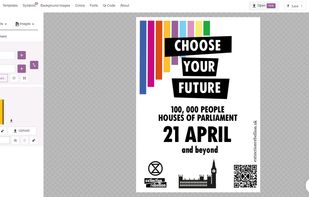


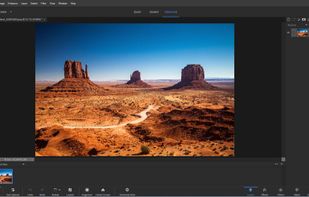
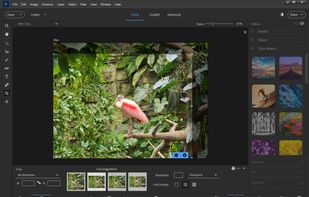
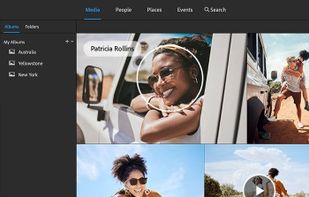
Comprehensive photo editing tool with AI-powered automation and easy step-by-step guidance. It includes unique creation tools, layer support, facial recognition, and organizes your photos seamlessly. Available as a one-time purchase, no subscription required, with cloud sync for flexibility.
United States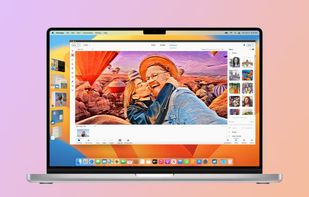


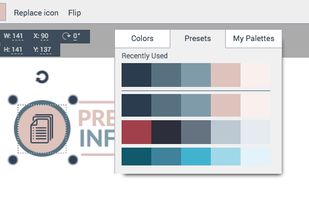
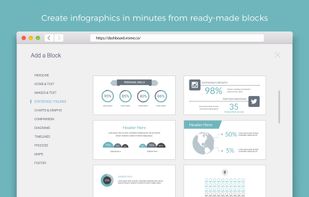
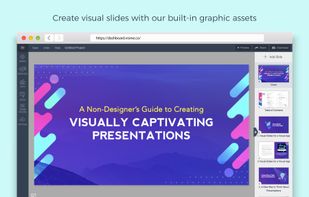
Visme integrates design tools with traditional presentation software, offering browser-based creation for presentations, infographics, and reports. Trusted by millions, it provides thousands of assets for marketers, educators, and professionals, simplifying content creation and data visualization seamlessly.
United States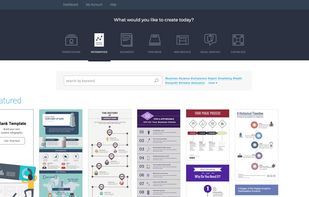


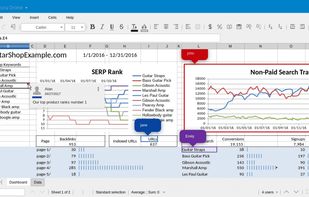
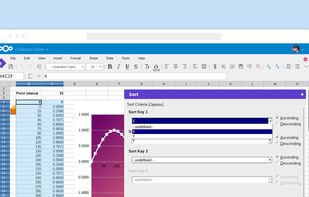
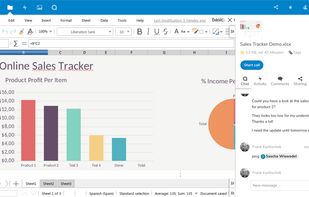
Collabora Online is a powerful LibreOffice-based online office suite with collaborative editing, which supports all major document, spreadsheet and presentation file formats and works in all modern browsers.
United Kingdom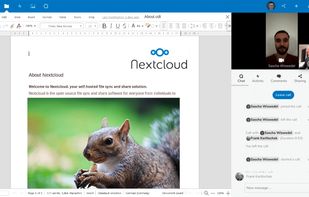


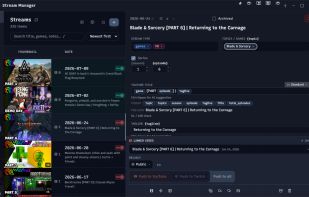
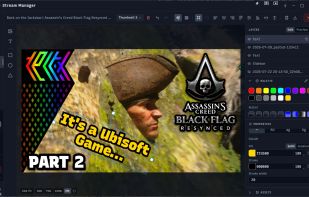
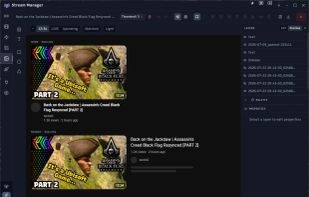
Stream Manager is a free, open source app for streamers, built around your local stream library. It started as a way to organize raw recordings and grew into the foundation for an entire streaming workflow.
United States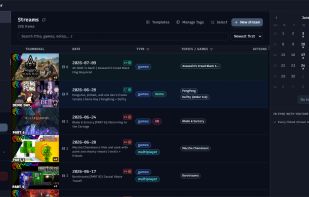


PosterMyWall makes it fast and easy for small businesses to compete with their better-funded competitors. Our complete suite of marketing tools includes graphic and video design, email campaigns, and multiple publishing options.
United States
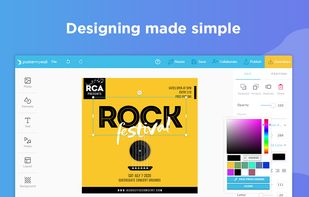


A versatile visual design suite offering an intuitive canvas editor, automated template creation for social media and ads, video editing integration for apps, and asset management through unlimited libraries. Supports various storage options and is made for creative scale.
 Russia