Xfce is described as '(pronounced as four individual letters) is a free software desktop environment for Unix and other Unix-like platforms, such as Linux, Solaris and BSD. It aims to be fast and lightweight, while still being visually appealing and easy to use' and is a very popular desktop environment in the os & utilities category. There are more than 25 alternatives to Xfce for a variety of platforms, including Linux, BSD, Windows, Mac and Linux Mobile apps. The best Xfce alternative is KDE Plasma, which is both free and Open Source. Other great apps like Xfce are GNOME, Cinnamon, MATE and LXQt.


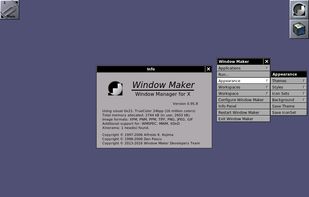
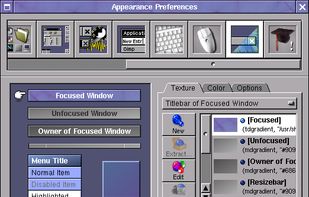
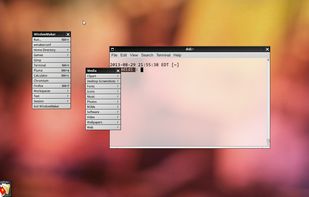
Window Maker has a reputation for being fast, efficient and highly stable. Window Maker has been characterized as reproducing "the elegant look and feel of the NeXTstep GUI" and is noted as "easy to configure and easy to use.


Lomiri is the open source mobile and desktop environment that adapts to you computing needs. Supported on all kinds devices.


Fork of Enlightenment version 17 (commonly called E17) used as the main desktop environment on Bodhi Linux


Lumina is a lightweight, BSD licensed, standards-compliant desktop environment based upon Qt and Fluxbox. It is being developed on PC-BSD, and is being packaged for distribution on the PC-BSD package repository as well.
KDE 3.5 fork. A computer desktop environment for Unix-like operating systems with a primary goal of retaining the function and form of traditional desktop computers.


UKUI is a lightweight desktop environment based on pluggable framework for Linux and other Unix-like Distributions. It is developed using GTK and Qt.


Emerge Desktop is a replacement Windows "shell" (the desktop environment normally provided by Windows Explorer) for Windows 2000 and above. In order to replace Windows Explorer as a shell, it provides a system tray (the area that collects the icons collected at the...


Equinox Desktop Environment is simple and small graphical desktop environment for UNIX operating systems


The Common Desktop Environment was created by a collaboration of Sun, HP, IBM, DEC, SCO, Fujitsu and Hitachi. Used on a selection of commercial UNIXs, it is now available as open-source software for the first time.