Cost / License
- Free
- Open Source
Application type
Platforms
- Linux
 Germany
 EU
EU


Apps similar to Raspberry Pi OS include Ubuntu, which is free and open source. Other options are Arch Linux, CachyOS, Zorin OS and Manjaro Linux. You're spoiled for choice with Operating Systems like Raspberry Pi OS: we list more than 100 alternatives for Linux, self-hosting, Windows, Mac and Chrome OS.
GermanyEU
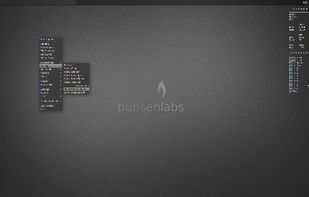
BunsenLabs Linux is a distribution offering a light-weight and easily customizable Openbox desktop. The current release is Helium, built on top of Debian (stable). The project is a community continuation of CrunchBang Linux.



Knoppix is an operating system based on Debian designed to be run directly from a CD / DVD (Live CD) or a USB key (Live USB), one of the first of its kind for any operating system. When starting a program, it is loaded from the removable medium and decompressed into a RAM drive.


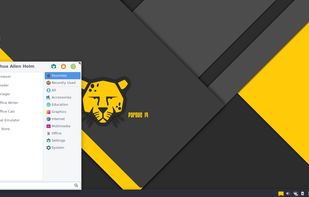
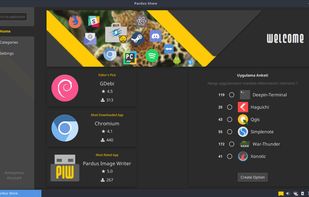
Pardus is a GNU/Linux distribution funded and developed by the Scientific & Technological Research Council of Turkey (TÜBITAK). Pardus’ main focus is home use and office-related work with a user-friendly graphical interface using Gnome or Xfce desktop environments.
 Türkiye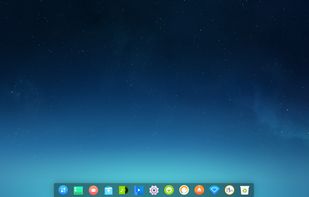


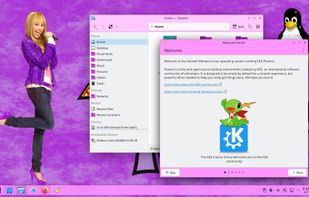
Debian-based Linux distribution with KDE Plasma 6, SDDM, Calamares installer, and major Breeze theme modifications. GPLv3+ licensed. High RAM required for Plasma, with LXQt lite fork available for less powerful hardware and lower memory usage.


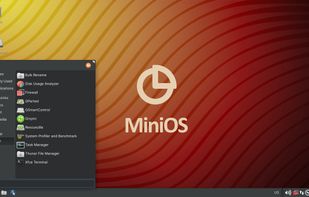
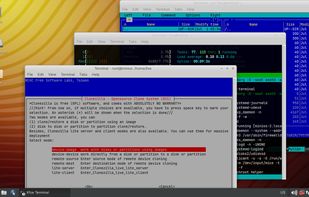
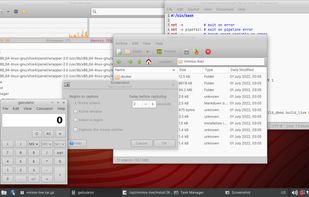
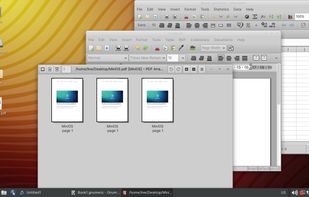
MiniOS is a lightweight and fast Linux distribution designed for installation on a USB drive. The MiniOS project was launched in 2009 as a Linux distribution for USB drives based on Mandriva Linux. However, in 2013 it was suspended due to the liquidation of Mandriva.


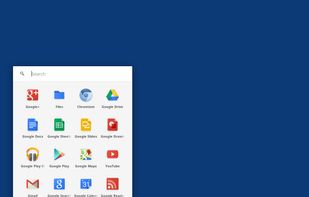
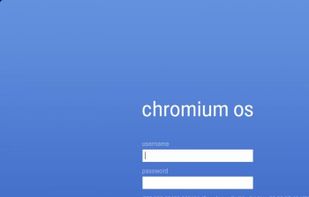
Chromium OS is an open-source project, used primarily by developers, that aims to build an operating system that provides a fast, simple, and more secure computing experience for people who spend most of their time on the web.


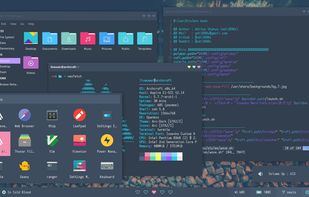
A Fast, friendly, open-source operating system, for newbies, geeks & DIY enthusiasts.
 India
India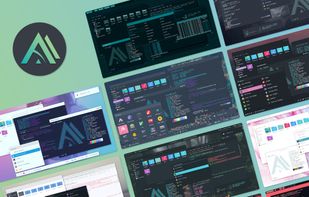

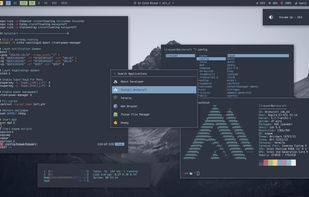


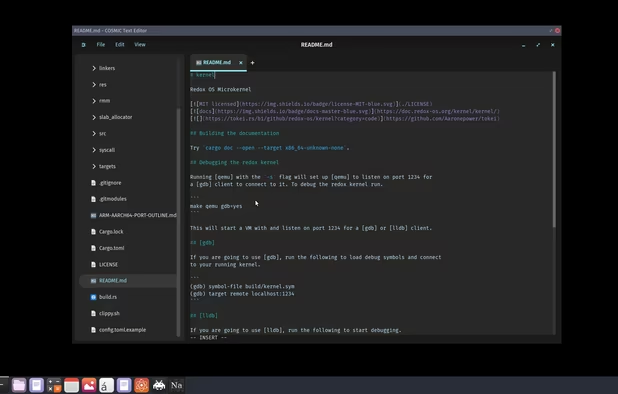
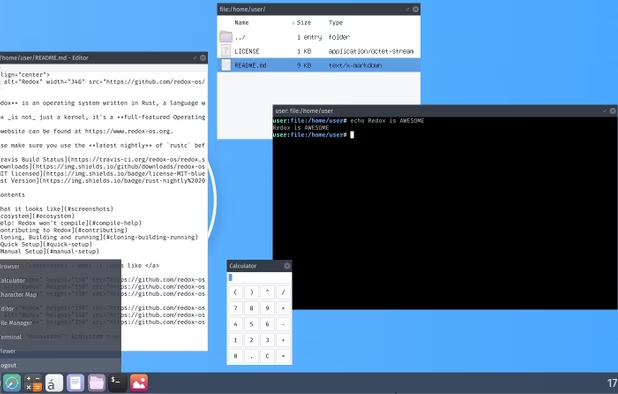
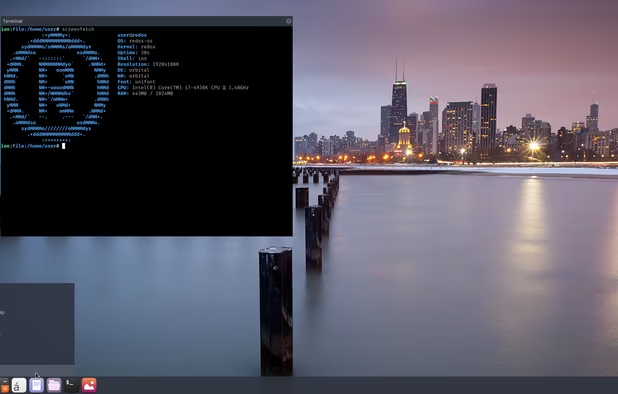
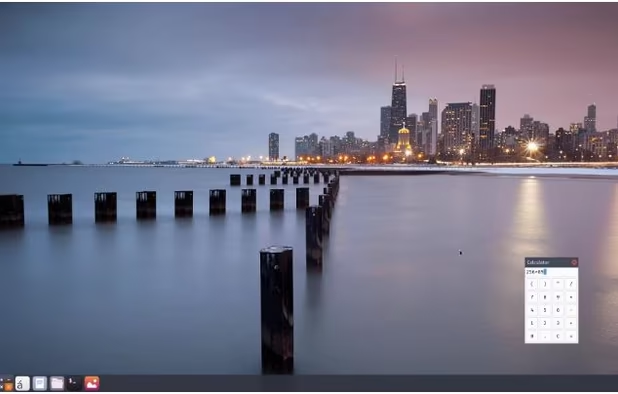
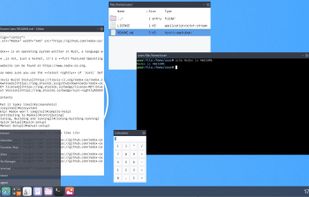
Redox is a Unix-like Operating System written in Rust, aiming to bring the innovations of Rust to a modern microkernel and full set of applications.
 United States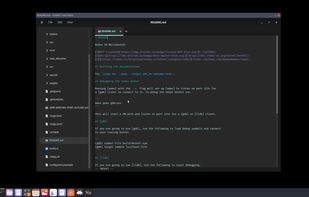
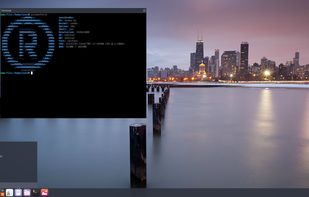



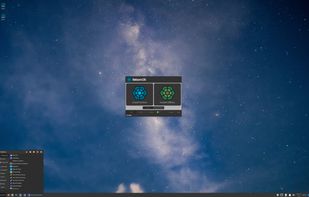
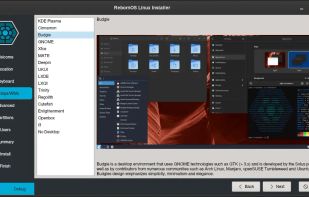
The unofficial successor of Antergos, RebornOS is an Arch-based distro that focuses on allowing the user to decide exactly how they want their system while making it easy for anyone to do so - both during installation and afterwards.


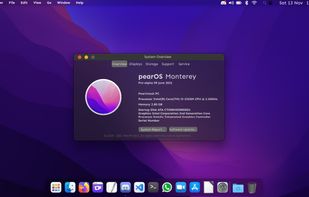
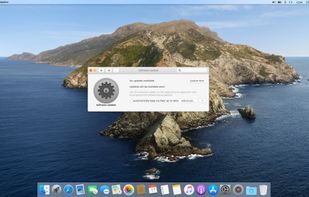
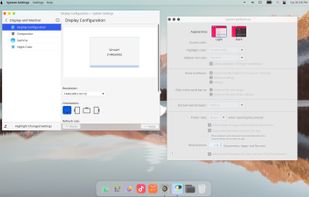
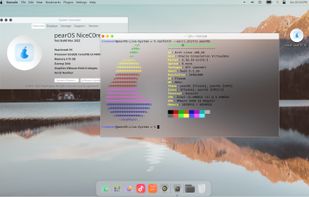
pearOS is a linux distribution that aims for UI and UX, offering a mac like feeling, now even on older PCs. Why hackintosh when you can pearintosh?
 RomaniaEU