


Paper Design
17 likes
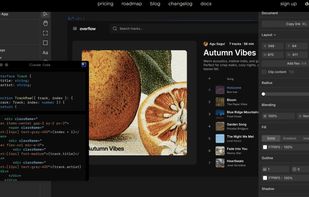
Full-featured design workspace merges visuals, agents, and code, enabling live sync of tokens, components, and styles, connects with IDEs, imports databases and content, automates responsive layouts, and streamlines design-to-code with real-time data integration.

Cost / License
- Freemium (Subscription)
- Proprietary
Application typeApplication types
Platforms
- Online
- Windows
- Mac
- Linux


Features
Paper Design News & Activities
Highlights All activities
Recent News
- Fla published news article about Paper Design
- Fla published news article about Paper Design


Recent activities
 Liam-Vinberg added Paper Design as alternative to spool
 Kevin-Goedecke added Paper Design as alternative to Doop
- Dominic White added Paper Design as alternative to Statecraft
- Mauricio B. Holguin updated Paper Design
- Fla updated Paper Design
- Fla updated Paper Design
 lotanna added Paper Design as alternative to Moonchild AI
 DaFray31 added Paper Design as alternative to Open Pencil and Openpencil
 Mauricio B. Holguin added Paper Design as alternative to Pencil.dev
- Chris Thomas liked Paper Design


What is Paper Design?
Paper Design information
Developed by
 Lost Coast Labs, Inc.
 Licensing
Proprietary and Freemium product.Pricing
Subscription ranging between $16 and $20 per month + free version with limited functionality.Alternatives
26 alternatives listedBadge
Get an embeddable badge for Paper DesignSupported Languages


No comments or reviews, maybe you want to be first?