


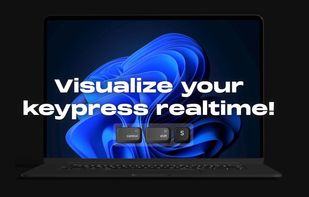
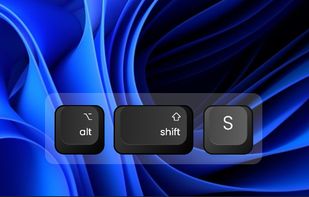
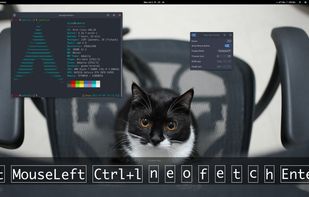
Keyviz is a free and open-source tool to visualize your keystrokes and mouse actions in real-time.
Cost / License
- Freemium
- Open Source (GPL-3.0)
Application typeApplication types
Platforms
- Mac
- Windows
 India
India




+4
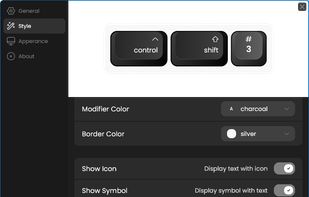


Apps similar to KeyTrails include Keyviz, which is open source with a free version. Other options are Screenkey, KeyCastr, Show Me The Key and Carnac. You can choose from more than 10 Keystroke Visualizers like KeyTrails for Mac, Windows and Linux.
Keyviz is a free and open-source tool to visualize your keystrokes and mouse actions in real-time.
India
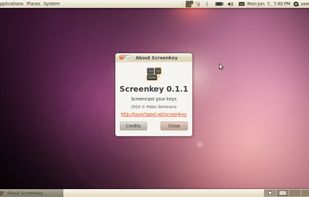
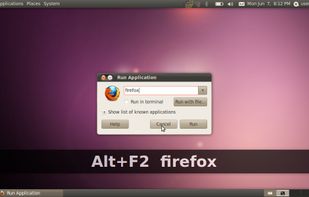
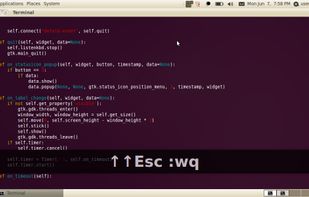
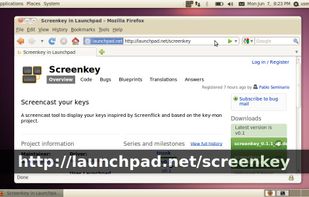
Screenkey is a screencast tool to display your keys inspired by Screenflick for Mac OS and based initially on Key-mon project.


KeyCastr lets you easily display your keystrokes while recording screencasts.
 United States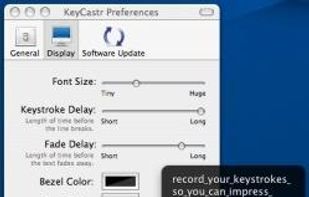


Show keys you typed on screen, so your audiences can see what you do clearly while you are streaming or recording.


 Australia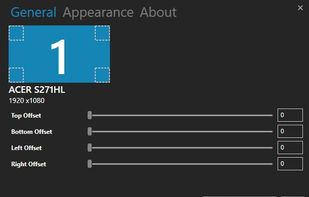


KeyPress OSD is a full-featured screencasting tool for displaying key-presses on Windows. Beyond on-screen keypress display, it features text-expansion, mouse-highlighting and a multi-clipboard manager.
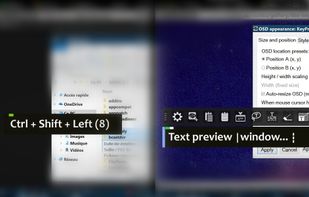
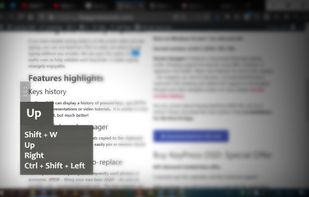
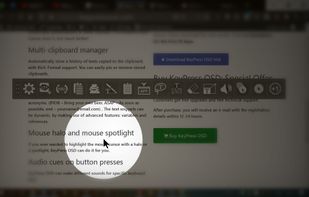


KeyScreen makes your keystrokes visible on screen-perfect for tutorials, presentations, and screen recordings.
 Ireland
 EU
EU
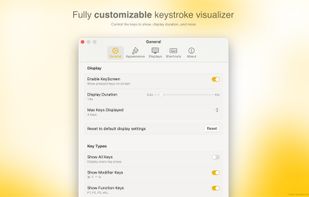
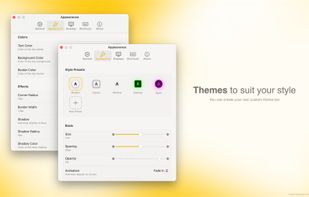
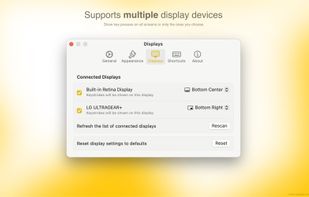


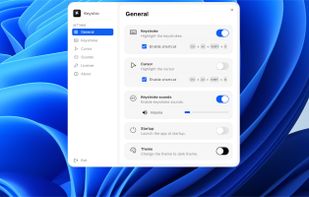
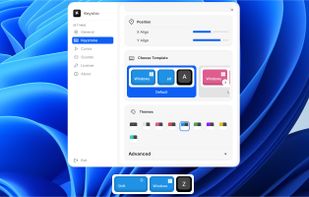
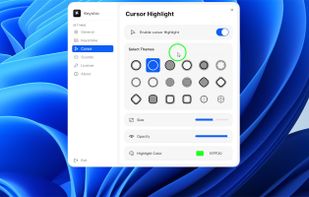
Floating widget shows each key pressed in real time and highlights the cursor with fully adjustable design. Choose from 10+ styles, unlimited color themes, and over 10 sound options. Works across multiple screens for screen recording on Windows and macOS.


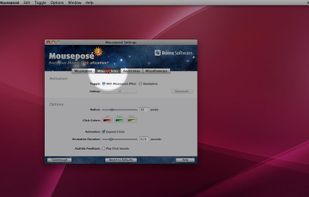
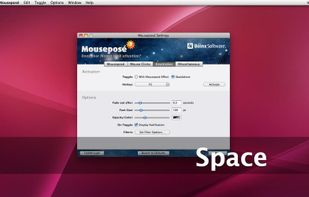
Mouseposé is the indispensible mouse pointer highlighting tool (aka "virtual laserpointer") for everyone doing demos at tradeshows, presentations and trainings, or those individuals with huge and high resolution displays.
 GermanyEU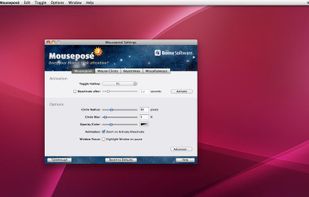


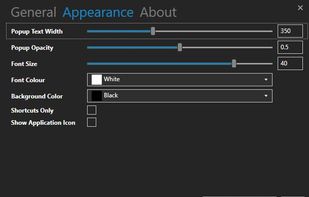
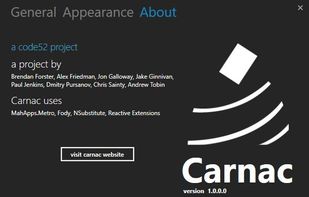
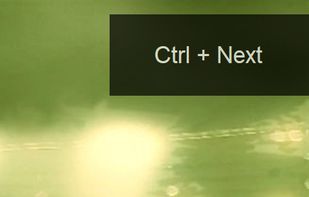
A Little utility that implements a global key logger which displays all shortcuts & keystrokes as you type on screen and with a semi-transparent overlay. This makes it very easy to show any shortcuts you use if you for example record a software demo.

 India
India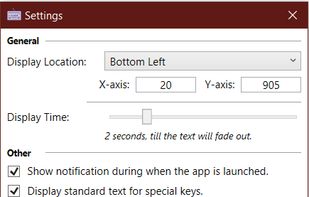


MouseShade is an essential tool for everyone doing presentations or demos. If turned on, it dims the screen and puts a spotlight on the area around the mouse pointer, easily guiding the audiences attention to an area of interest.


