GNU Emacs Alternatives
Apps similar to GNU Emacs include Notepad++, which is free and open source. Other options are Obsidian, Visual Studio Code, Sublime Text and VSCodium. There's no shortage of Text Editors like GNU Emacs, with more than 100 alternatives for Windows, Linux, Mac, the web and Android.
Alternatives list

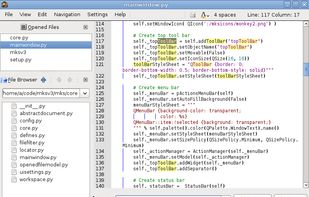
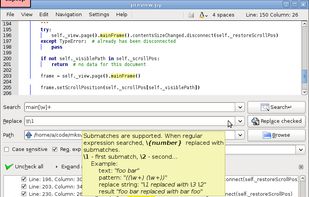
Enki is a text editor for programmers. It is: –User friendly. Intuitive interface. Works out of the box. You don’t have to read a lot of docs -Hacker friendly. Code as quickly as possible. Without mouse. -Lighweight. Some IDEs show splashscreen. enki will never do it. It just sta.
Cost / License
- Free
- Open Source
Application typeApplication types
Platforms
- Linux
- Global

 +1
+1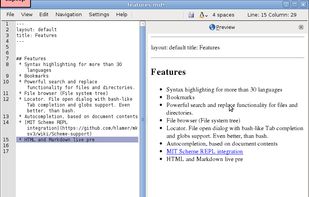


 176 Lines code editor alternatives
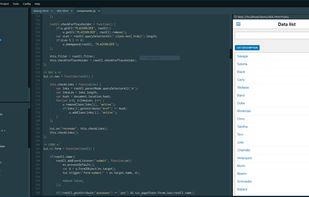
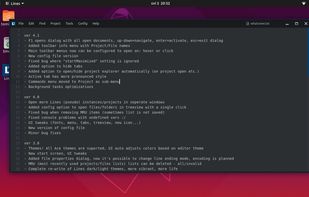
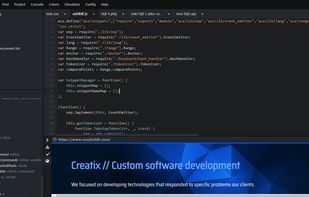
Lines is a modern and minimalist text editor - IDE with support for over 150 programming languages, embedded code inspectors and many other cool tools to help you write better code.
Cost / License
- Free
- Proprietary
Application typeApplication types
Platforms
- Windows
- Linux
 +7
+7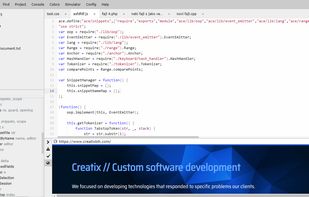

 75 Bim text editor alternatives
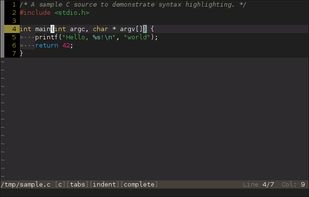
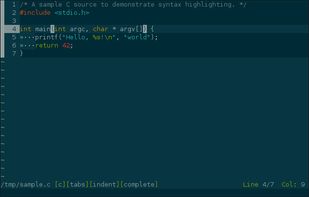
Bim is a Vim-inspired, terminal text editor originally built for ToaruOS but also available for Linux, Sortix, FreeBSD, and macOS. Bim aims to be lightweight and featureful with no external dependencies, providing a modern editing experience...
Cost / License
- Free
- Open Source
Application typeApplication types
Platforms
- Mac
- Linux
- BSD
 United States
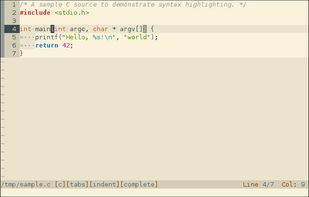

 142 NoteTab alternatives
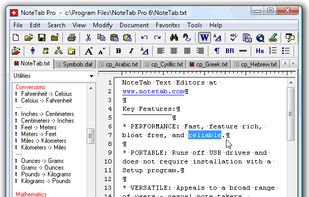
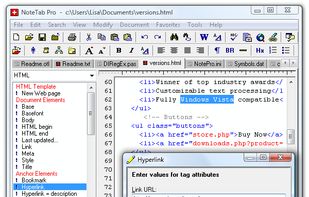
NoteTab is a leading text editor, popular Windows Notepad replacement, and powerful code-based HTML editor for Windows.
Cost / License
- Freemium
- Proprietary
Application type
Platforms
- Windows
 Switzerland


 153 BabelPad alternatives
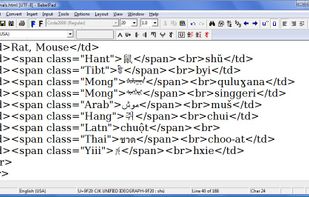
BabelPad is a free Unicode text editor for Windows that supports the proper rendering of most complex scripts, and allows you to assign different fonts to different scripts in order to facilitate multi-script text editing.
Cost / License
- Free
- Proprietary
Application type
Platforms
- Windows
- PortableApps.com
 United Kingdom

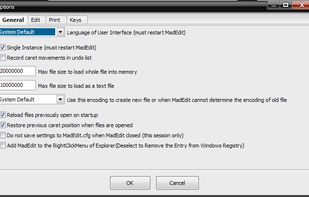
 133 MadEdit alternatives
MadEdit is an Open-Source and Cross-Platform Text/Hex Editor written in C++ and wxWidgets.
Platforms
- Windows
- Linux
- BSD
- Xfce


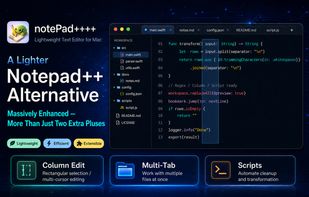
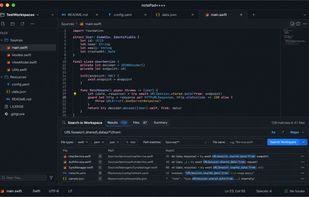
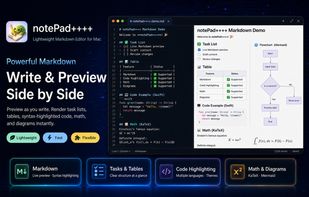
A native macOS text editor with syntax highlighting for 50+ languages, Markdown WYSIWYG, JSON/YAML support, regex and Column Mode, custom scripts, batch processing, and optional AI assistance.
Cost / License
- Freemium
- Proprietary
Application type
Platforms
- Mac
 +4
+4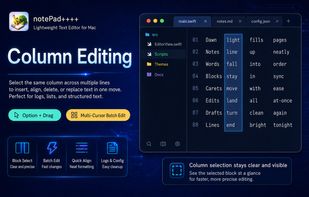 N
N 58 JOE alternatives
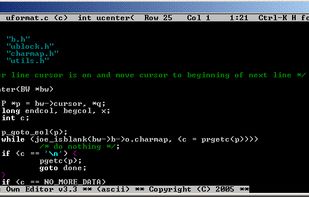
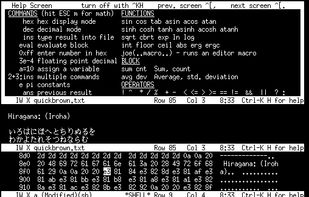
JOE is a full featured terminal-based screen editor which is distributed under the GNU General Public License (GPL). JOE has been around since 1988 and comes standard with many Linux distributions.
Platforms
- Mac
- Windows
- Linux


Cost / License
- Free
- Open Source
Application type
Platforms
- Linux
- BSD

 126 Tilde alternatives
Tilde is a text editor for the console/terminal, which provides an intuitive interface for people accustomed to GUI environments such as Gnome, KDE and Windows. Example: copy current selection is Control-C; paste previously copied text is Control-V.
Cost / License
- Free
- Open Source (GPL-3.0)
Application typeApplication types
Platforms
- Linux
 Netherlands
 EU
EU
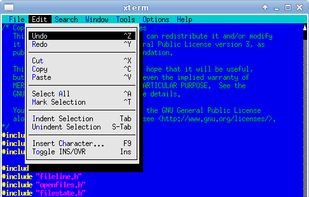


A lightweight, minimal and powerful code editor. This editor has many features. Some of them are:
Cost / License
- Free
- Open Source (MIT)
Platforms
- Mac
- Windows
- Linux
- United States