


Cost / License
- Free
- Open Source
Application type
Platforms
- Mac
- Windows
- Linux
- Flathub
- Flatpak




Apps similar to GitFlow include GitKraken, which has a free version. Other options are Sourcetree, SmartGit, Gittyup and Fork. You're spoiled for choice with Git Clients like GitFlow: we list more than 50 alternatives for Mac, Windows, Linux, Android and the web.

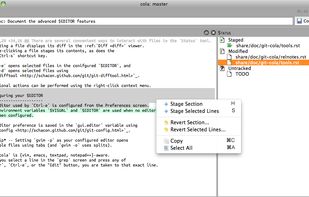
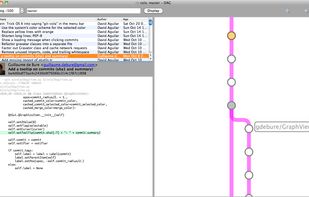
git-cola is a powerful GUI for git, a distributed revision control system. cola's ingredients include git-python and jsonpickle. cola is released under the GNU GPL v2.


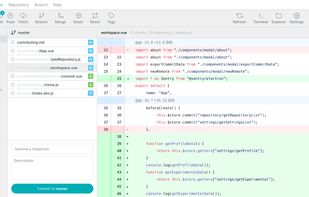
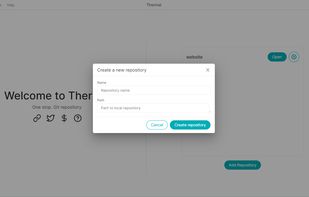
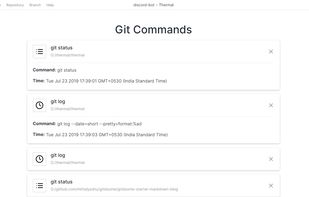
Thermal is a free, open-source, cross-platform Git GUI built by developers for developers. It's a desktop application built with Electron & Vue.js, allowing you to manage your Git repositories at one place by providing a simple to use graphic interface with built-in...


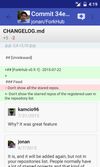
ForkHub is an open source GitHub client that started off as a fork of the official Android app from GitHub after they abandoned it, and has since seen lots of improvements. You can see a comprehensive list of changes in the change log: .
 Spain
Spain EU
EU



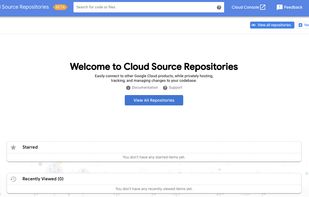
Cloud Source Repositories helps you privately host, track, and manage changes to large codebases on Google Cloud Platform.
 United States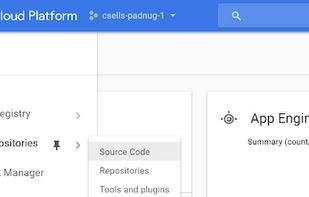
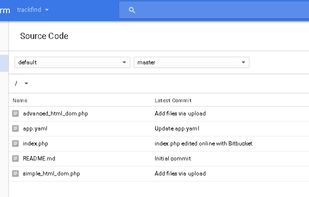


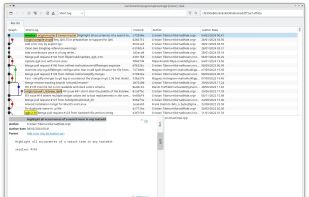
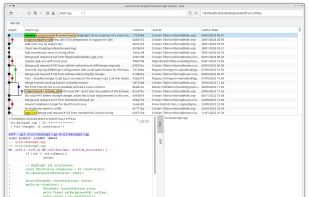
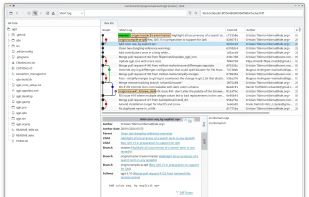
Displays changes in a repository or a selected set of commits. This includes visualizing the commit graph, showing information related to each commit, and the files in the trees of each revision.
United States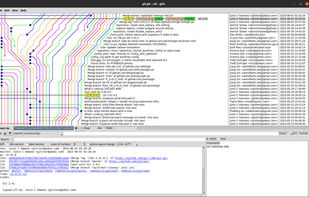


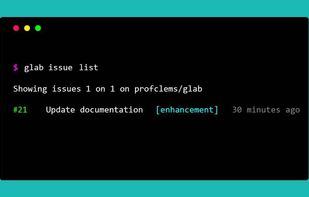
GLab is an open source Gitlab Cli tool written in Go (golang) to help work seamlessly with Gitlab from the command line. Work with issues, merge requests, watch running pipelines directly from your CLI among other features. Inspired by gh, the official GitHub CLI tool.


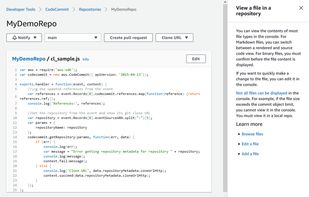
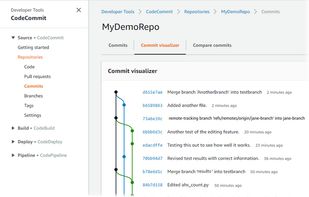
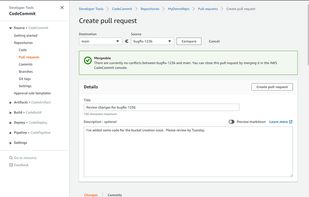
AWS CodeCommit is a managed source control repository that makes it easier for teams to securely collaborate on code with contributions encrypted in transit and at rest.
United States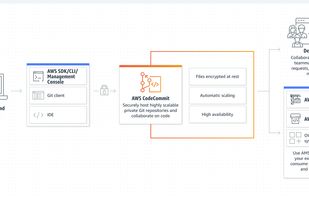








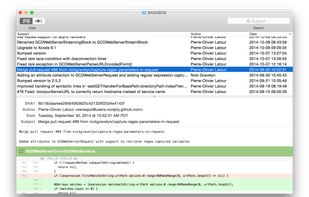
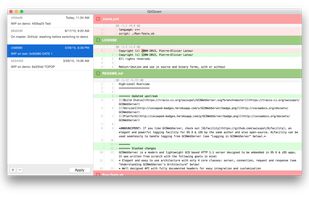
GitUp is a bet to invent a new Git interaction model that lets engineers of all levels work quickly, safely, and without headaches. It's unlike any other Git client out there from the way it’s built (it interacts directly with the Git database on disk), to the way it works...
 FranceEU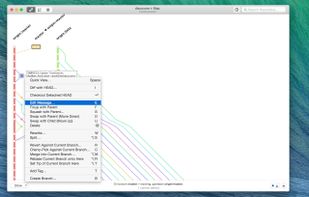


 Sweden


