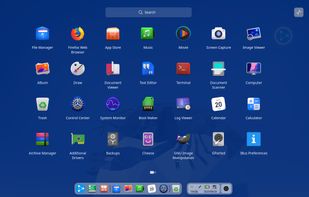

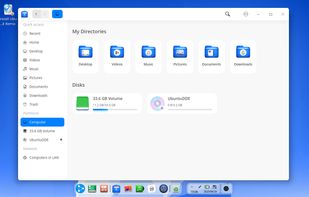


+2
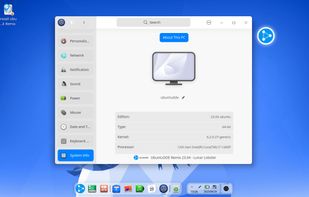


Apps similar to DietPi include Fedora, which is free and open source. Other options are Tails, Zorin OS, openSUSE and elementary OS. There's no shortage of Operating Systems like DietPi, with more than 100 alternatives for Linux, self-hosting, Windows, Mac and Chrome OS.

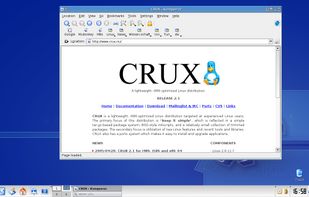
CRUX is a lightweight GNU/Linux distribution for the x86-64 architecture targeted at experienced users. The primary focus of this distribution is keep it simple, which is reflected in a straightforward tar.
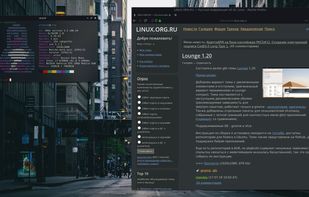
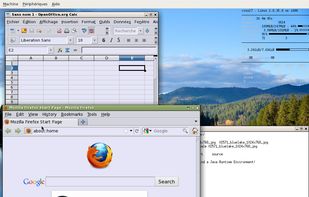


With the release of GNOME 3.38.0, we started producing and distributing bootable VM images for debugging and testing features before they hit any distribution repository. We called the images GNOME OS. The name itself is not new, and what it stands for has not changed...

 United States

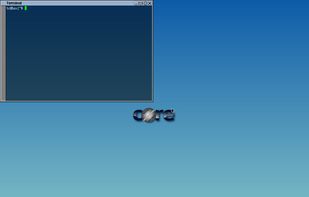
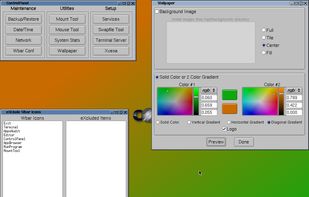
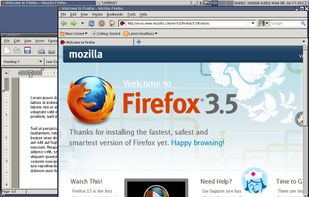


MirOS BSD is a secure operating system from the BSD family for 32-bit i386 and sparc systems. It is based on 4.4BSD-Lite (mostly OpenBSD, some NetBSD®).


A Fast, friendly, open-source operating system, for newbies, geeks & DIY enthusiasts.
 India
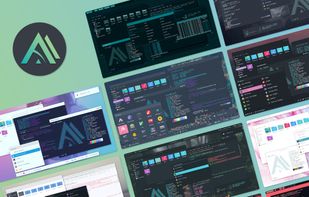

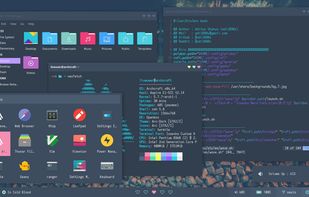
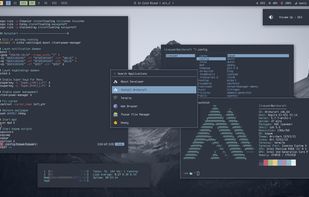


ravynOS is a new open-source desktop operating system that aims to provide a similar experience and compatibility with macOS on x86-64 systems.
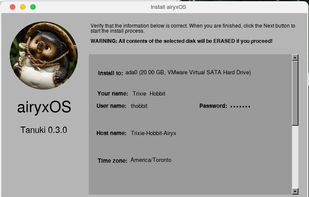


MiniOS is a lightweight and fast Linux distribution designed for installation on a USB drive. The MiniOS project was launched in 2009 as a Linux distribution for USB drives based on Mandriva Linux. However, in 2013 it was suspended due to the liquidation of Mandriva.
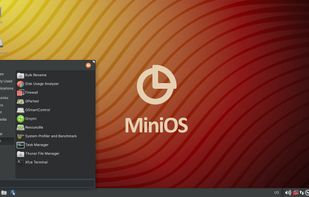
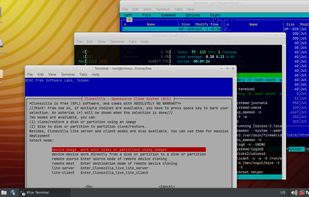
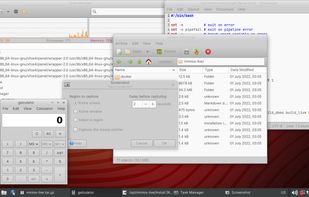
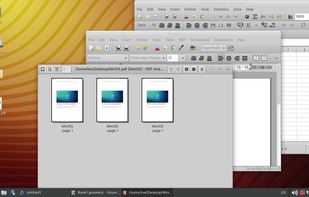


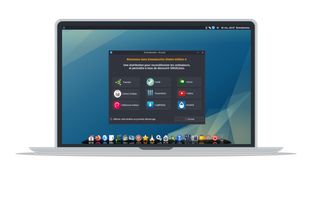
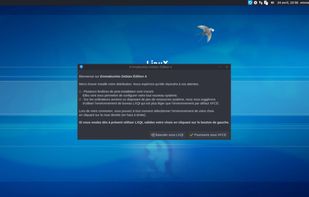
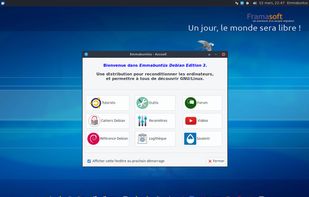
Emmabuntüs is a Debian-based GNU/Linux distribution designed to make computers easy to use, including older machines. It provides a complete desktop environment with preconfigured applications and tools for computer reuse, digital inclusion and everyday use.
 France
 EU


The Freespire Operating System is the open source and free as in beer release of the commercial Linspire operating system.
United States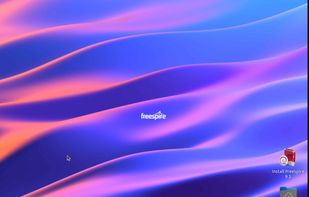


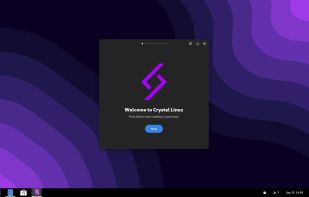
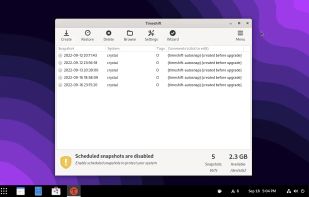
Crystal Linux is a brand new Arch Linux based distribution. Friendly, powerful and easy to use.


NodeOS is a lightweight operating system using Node.js as userspace and managed by npm. Any package in npm is a NodeOS package, which at last count was 244,180 packages. The goal of NodeOS is to provide just enough to let npm provide the rest.