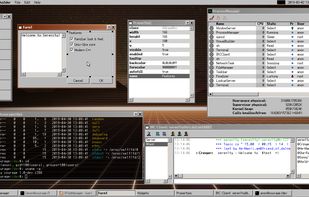
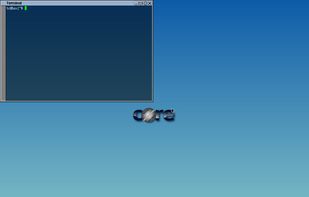
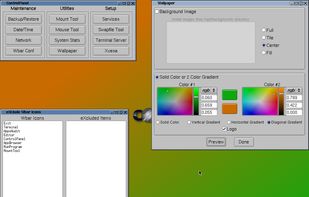
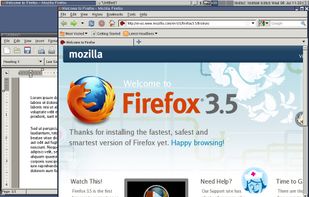
EasyOS is an experimental Linux distribution that uses many technologies and package formats pioneered by Puppy Linux .
Cost / License
- Free
- Open Source
Application typeApplication types
Platforms
- Linux
 Australia
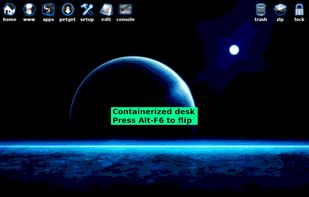

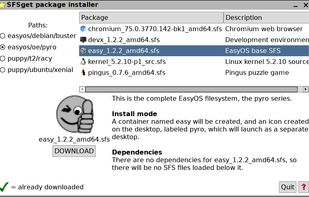


EasyOS is an experimental Linux distribution that uses many technologies and package formats pioneered by Puppy Linux .
Australia
NebiOS is Ubuntu-based distro that successor of the discontinued Spez Linux project (the developers behind Spez Linux is now defunct). NebiOS is built on secure, privacy-respectful, universal foundation and ideal for being daily driver OS, enterprise, gaming with Windows-class...
 Türkiye
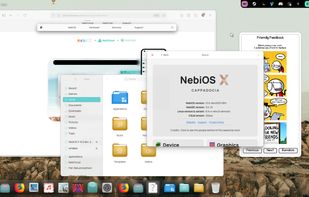
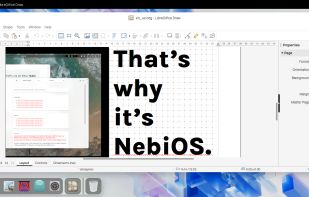
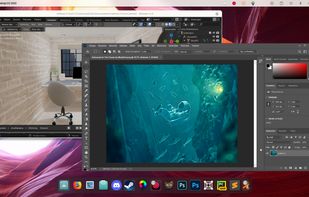


Serenity is a graphical 32-bit Unix-like operating system with 90s aesthetics and built for x86 systems.
 Sweden
 EU
EU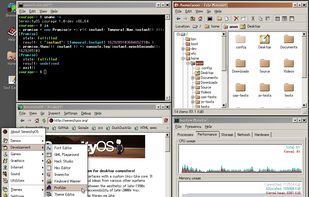

 United States


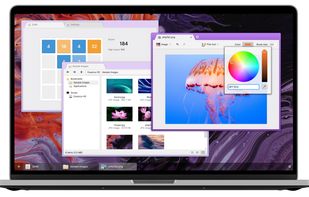


Innovative, portable Linux distro fusing FreeBSD tools with Musl and LLVM, building from source for a simple yet comprehensive system.
 PolandEU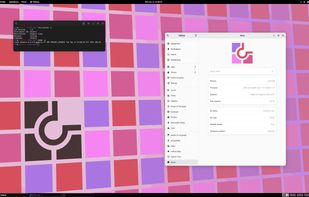


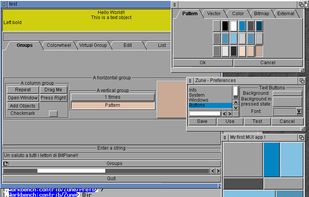
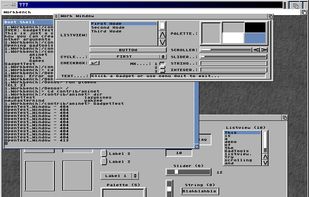
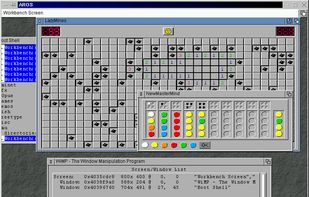
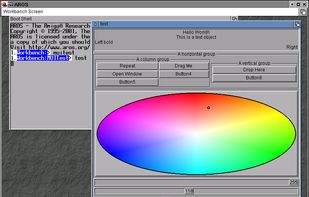
The AROS Research Operating System is a lightweight, efficient, and flexible desktop operating system, designed to help you make the most of your computer. It's an independent, portable and free project, aiming at being compatible with AmigaOS at the API level (like Wine...


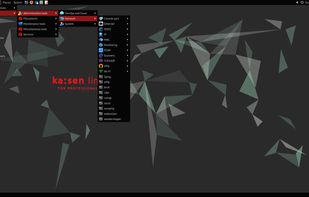
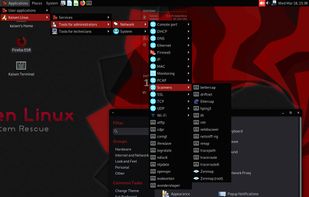
Kaisen Linux is a distribution for IT professional based on the Debian GNU/Linux distribution. It is a complete operating system whose originality is to provide a set of tools dedicated to system administration and covering all the needs for diagnosing and dealing with faults or...
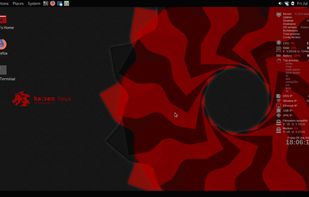
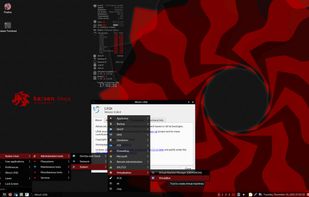


Regata OS is an Operating System based on Linux (more precisely on openSUSE) developed for all types of users, however, with a special focus on gamers and content creators.
 Brazil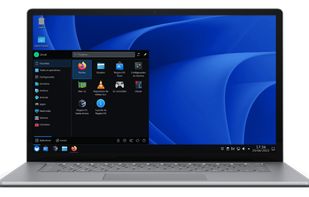
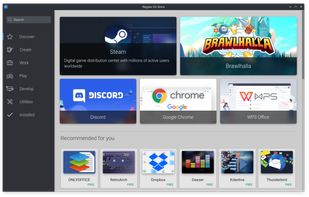


Linspire is a 64 bit Linux based OS, that is geared towards the business, education and government worker. It has all the applications business users will need for work, research and deployment among very high end desktop systems.
United States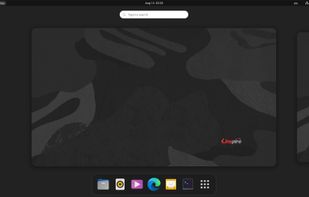





With the release of GNOME 3.38.0, we started producing and distributing bootable VM images for debugging and testing features before they hit any distribution repository. We called the images GNOME OS. The name itself is not new, and what it stands for has not changed...