





ais
1 like
AIS is a personal index. You save anything (a link, a note, a file path, a password) under one or more keywords of your own, and recall it by any combination of them: "venice 2006" returns what you filed under both.


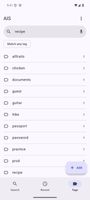

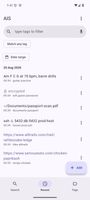

Cost / License
- Free
- Open Source (GPL-2.0)
Application type
Platforms
- Mac
- Linux
- Android

Features
ais News & Activities
Highlights All activities
Recent activities
- Anode1 liked ais
- Anode1 updated ais
- Anode1 added ais
 Anode1 added ais as alternative to Obsidian, Joplin, Standard Notes, Google Keep and 2 more


ais information
Licensing
Open Source (GPL-2.0) and Free product.Written in
Alternatives
6 alternatives listedBadge
Get an embeddable badge for aisSupported Languages

AlternativeTo Categories
Backup & Sync, File Management, Office & Productivity, Security & Privacy, Education & Reference, OS & UtilitiesGitHub repository
- 6 Stars
- 0 Forks
- 1 Open Issues
- Updated



No comments or reviews, maybe you want to be first?