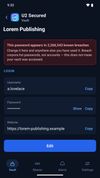
Professional password management for businesses, managers, admins & employees.
Cost / License
- Paid
- Proprietary
Application type
Platforms
- Mac
- Windows
- Online
- Android
- iPhone
- iPad
- Google Chrome
- Mozilla Firefox
- Android Tablet
 United States


+1


One of the most popular alternatives to 1Password is Bitwarden, which is open source with a free version. Other popular alternatives are KeePassXC, KeePass, Proton Pass and LastPass. There's no shortage of Password Managers like 1Password, with more than 100 alternatives for Android, iPhone, Windows, Mac and iPad.
Professional password management for businesses, managers, admins & employees.
United States
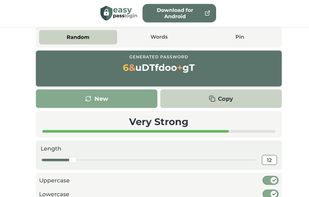
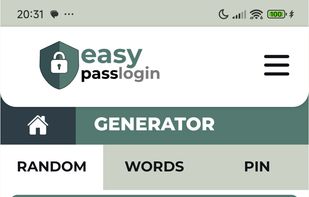
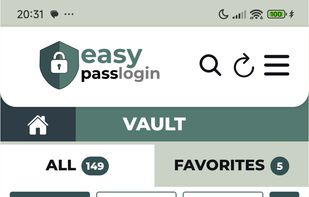
Easy Pass Login is a password manager and password generator designed to protect credentials and other private information in an encrypted vault.
 Spain
 EU

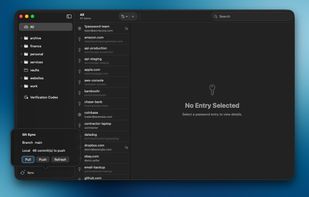
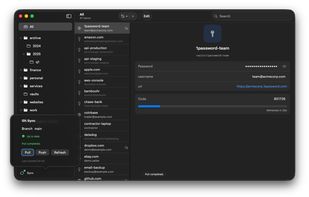
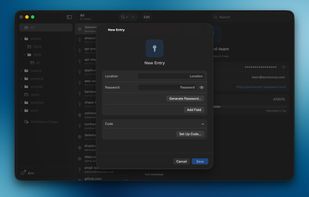
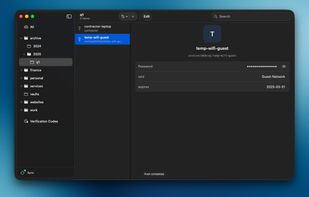
NativePass is a native SwiftUI macOS client for the standard Unix password store (pass). It uses your existing ~/.password-store and GPG stack — no proprietary vault format.
 Israel

 IrelandEU


Hexbon is a secure, client-side encrypted password and data manager platform from Romania, focused on privacy, control, and modern security standards.


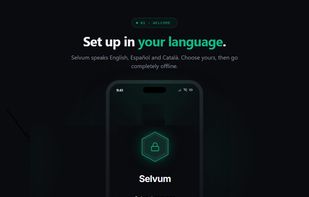
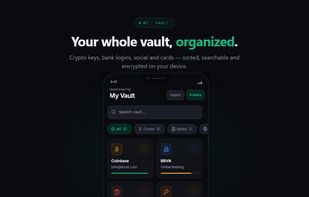
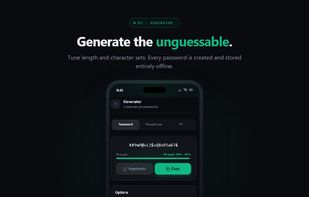
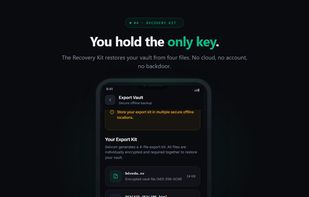

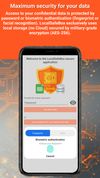
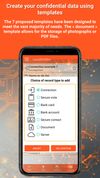
The GO Passwords - LocalSafeBox application is a high-end offline password manager and a 100% local encrypted vault.
United States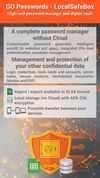


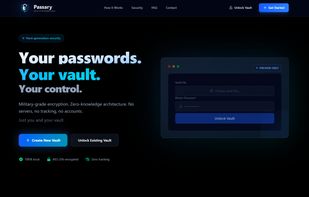
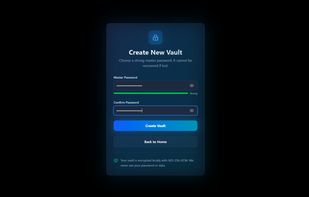
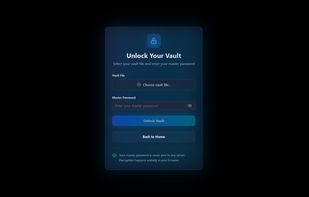
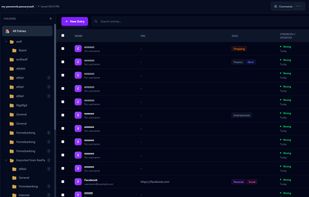
Passary is a zero-trust password manager designed to keep all sensitive data stored locally on your device instead of relying on cloud servers or external sync. Vaults are encrypted with AES-256 and secured by Argon2id, and the master password never leaves the user’s machine.
 HungaryEU


Sealby.app is a local, encrypted Vault to hide Photos, Videos, Files and Notes for iOS. No accounts and servers, free for use, supports iPhone and iPad.
 CzechiaEU

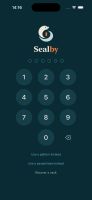


Offline password manager for iPhone, iPad, and Mac that keeps passwords, passkeys, and 2FA codes on the device. It uses Face ID or Touch ID, AES-256-GCM encryption, AutoFill, leak checks, imports, family sharing, QR Wi-Fi passwords, and open .8pwd or CSV backups.
 Hong Kong
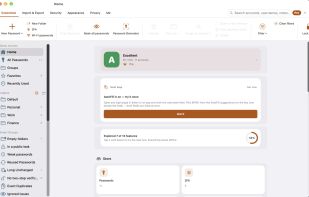
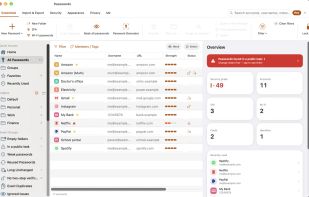
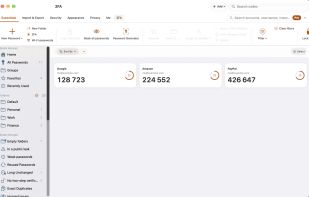

Your passwords, encrypted before they ever leave your device - and your two-factor codes kept somewhere else entirely, on purpose.
 Australia