


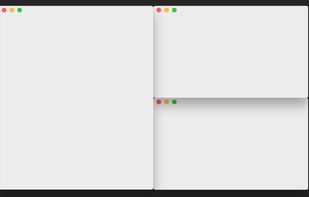


Xmonad is described as 'Dynamically tiling X11 window manager that is written and configured in Haskell. In a normal WM, you spend half your time aligning and searching for windows. xmonad makes work easier, by automating this' and is a Window Manager in the os & utilities category. There are more than 50 alternatives to Xmonad for a variety of platforms, including Linux, Wayland, BSD, Mac and X11 apps. The best Xmonad alternative is Hyprland, which is both free and Open Source. Other great apps like Xmonad are niri, Sway, i3 and Openbox.

pekwm is a window manager that once up on a time was based on the aewm++ window manager, but it has evolved enough that it no longer resembles aewm++ at all. It has a much expanded feature-set, including window grouping (similar to ion, pwm, or fluxbox), autoproperties...

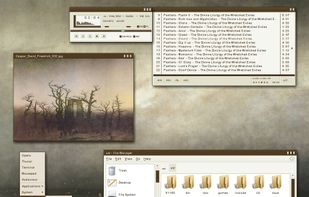
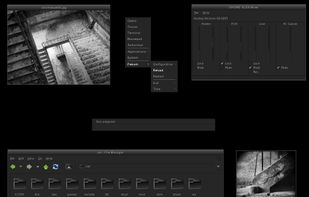
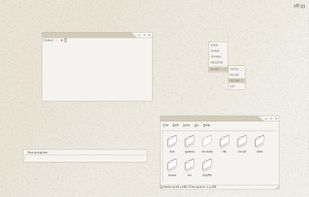


The Fast Light Window Manager is a small stacking FLTK-based window manager written in C++ and available for redistribution under the terms of the GNU General Public Licence.
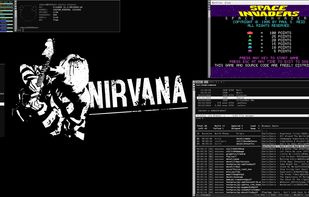
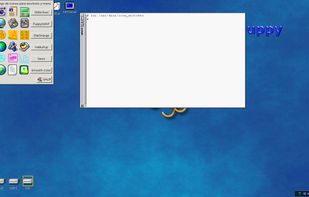
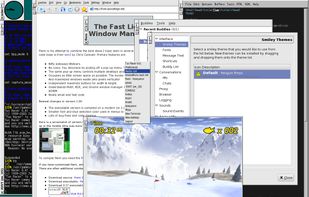
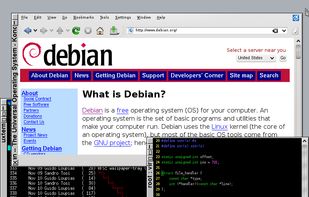


Sawfish is an extensible window manager using a Lisp-based scripting language. Its policy is very minimal compared to most window managers. Its aim is simply to manage windows in the most flexible and attractive manner possible.
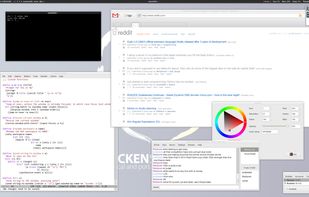


Phoenix is a lightweight OS X window and app manager scriptable with JavaScript. You can also easily use languages which compile to JavaScript such as CoffeeScript. Phoenix aims for efficiency and a very small footprint.

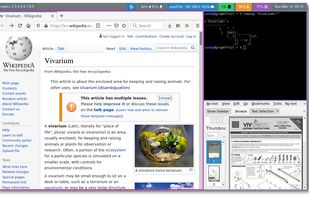
Blackbox is an original window manager, sharing no code with any others. It's designed to be fairly small and minimal, making it particularly suited to less powerful computers. It doesn't support images, other than generated gradients, but it does support multiple...
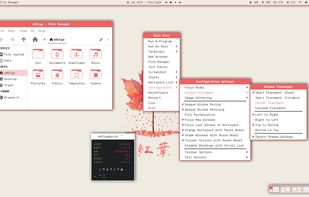

Whim is a hackable, pluggable and scriptable dynamic window manager for Windows 10 and 11, built using WinUI 3, .NET, and C# scripting.






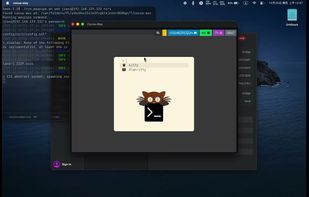
Native macOS Wayland compositor in Rust using Smithay, providing seamless Linux app streaming and display with OpenGL rendering, HiDPI Retina support, hardware acceleration, polished UI, server-side decorations, direct Wayland protocol, and zero VM overhead.




 Sweden
 EU
EU


 United States


 United Kingdom


