


OpenUtau is an open source editing environment for UTAU community with modern user experience.
Cost / License
- Free
- Open Source (MIT)
Platforms
- Mac
- Windows
- Linux
- Arch Linux
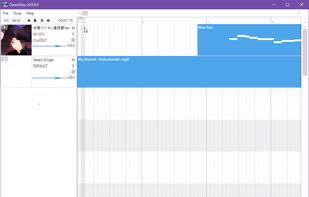

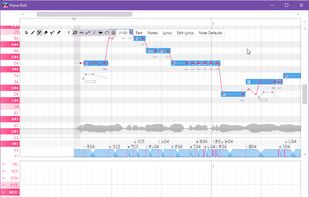


UTAU is not available for Mac but there are some alternatives that runs on macOS with similar functionality. The best Mac alternative is OpenUTAU, which is both free and Open Source. If that doesn't suit you, our users have ranked more than 10 alternatives to UTAU and seven of them are available for Mac so hopefully you can find a suitable replacement. Other interesting Mac alternatives to UTAU are VOCALOID, Synthesizer V, Alter/Ego and Emvoice.
OpenUtau is an open source editing environment for UTAU community with modern user experience.

A powerful synthesizing tool that enables users to create and edit songs by inputting melodies and lyrics, adjusting pronunciations, applying effects like vibrato, and modifying vocal dynamics and tones for a realistic singing experience.
 Japan
Japan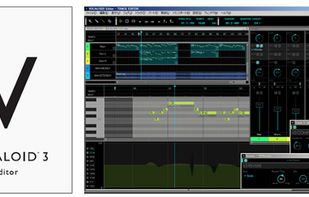


Synthesizer V is a vocal synthesizer developed by Kanru Hua, aiming for "artistic perfection of artificial voices".
Japan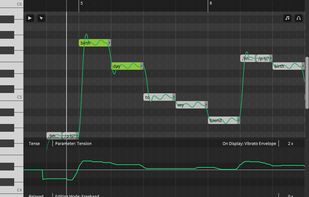


Alter/Ego is based on the award winning technology featured in chipspeech but instead of targeting Vintage voice technology, it focuses on more ‘modern’ (1990+) singing synthesis algorithms and research.
 United States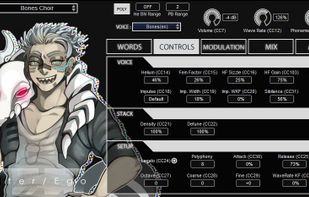


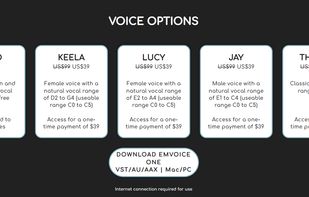
We're building a Text-to-Voice engine that can sing and speak expressively. We're giving music producers access to the only virtual instrument they lack: the human voice.
United States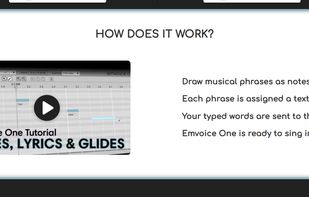


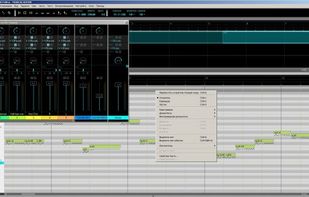
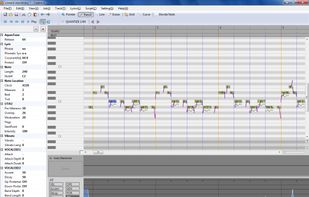
Cadencii is a program that allows cross-importation of vocal MIDI, VSQ, UST, and VSQX files. It supports both UTAU and Vocaloid voice banks.


chipspeech is a vintage-style speech synthesizer which recreates the sound of famous 80's voice synthesis chips. It features 12 different voices, each with its own characteristic timbre. It is specially tailored for musical needs – simply type in your lyrics, and then play...


 Canada