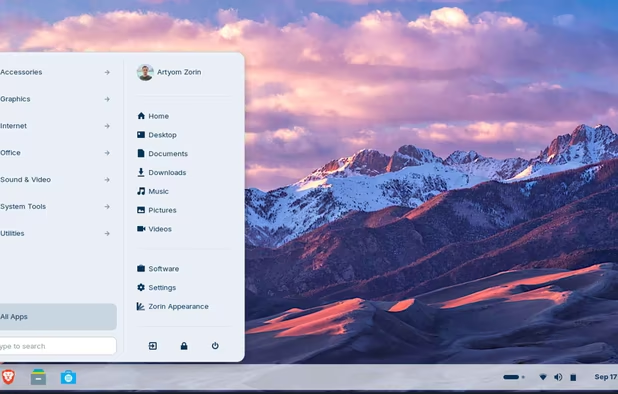


Ultramarine Linux is described as 'Fedora-compatible Linux system with stable updates, pragmatic tweaks, and thoughtful defaults designed for both developers and everyday users seeking a smooth experience' and is a Linux Distro in the os & utilities category. There are more than 100 alternatives to Ultramarine Linux for a variety of platforms, including Linux, Self-Hosted, Windows, BSD and Mac apps. The best Ultramarine Linux alternative is Linux Mint, which is both free and Open Source. Other great apps like Ultramarine Linux are Ubuntu, Debian, Fedora and Arch Linux.


Dragora GNU/Linux is a distribution created from scratch with the intention of providing a stable, multi-platform and multi-purpose operating system. It is built upon 100% free software. It has a very simple packaging system that allows installing, removing, upgrading and...


Kaisen Linux is a distribution for IT professional based on the Debian GNU/Linux distribution. It is a complete operating system whose originality is to provide a set of tools dedicated to system administration and covering all the needs for diagnosing and dealing with faults or...


MiniOS is a lightweight and fast Linux distribution designed for installation on a USB drive. The MiniOS project was launched in 2009 as a Linux distribution for USB drives based on Mandriva Linux. However, in 2013 it was suspended due to the liquidation of Mandriva.


openmamba GNU/Linux is a ready-to-use operating system for netbooks, notebooks, desktop and server personal computers.

A Linux distribution designed to facilitate the reconditioning of computers donated to humanitarian associations.


Crystal Linux is a brand new Arch Linux based distribution. Friendly, powerful and easy to use.


The Freespire Operating System is the open source and free as in beer release of the commercial Linspire operating system.

Innovative, portable Linux distro fusing FreeBSD tools with Musl and LLVM, building from source for a simple yet comprehensive system.

Regata OS is an Operating System based on Linux (more precisely on openSUSE) developed for all types of users, however, with a special focus on gamers and content creators.


With the release of GNOME 3.38.0, we started producing and distributing bootable VM images for debugging and testing features before they hit any distribution repository. We called the images GNOME OS. The name itself is not new, and what it stands for has not changed...