





Ravine Desk
3 likes
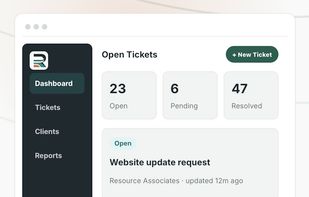
A right-sized helpdesk for freelancers and small dev shops, with a branded client portal, billable-hours tracking, and a built-in AI assistant.

Cost / License
- Subscription
- Proprietary
Application typeApplication types
Platforms
- Online
- Software as a Service (SaaS)

Features
Highlights All activities
Ravine Desk News & Activities
Recent activities
Tried Ravine Desk as an alternative to Help Scout. Needed something simple for our customer support without complicated setup. Liked the multi-tenant and team collaboration features. Works fine for 4 agents, no major issues so far. Support could be a bit faster but does the job. Good value for money.
- Harry Maugans liked Ravine Desk
- Robert Adam A comment was removed from Ravine Desk
- Aaron Meier A comment was removed from Ravine Desk
Been using it for our support inbox. Honestly I was looking for a simple alternative to Help Scout and this fits. No complicated features, just tickets and replies. We have 4 agents and its working fine. Pricing is transparent too which I liked. Will continue using.
 tick0001 added Ravine Desk as alternative to Tick&
- Jesicah Ken liked Ravine Desk
- Aaron Meier liked Ravine Desk
- Adrian Barnes added Ravine Desk
- Mauricio B. Holguin updated Ravine Desk
Developed by
 Ravine Software
 Licensing
Proprietary and Commercial product.Pricing
Subscription ranging between $12 and $99 per month.Alternatives
52 alternatives listedBadge
Get an embeddable badge for Ravine DeskSupported Languages


Comments and Reviews
Tried Ravine Desk as an alternative to Help Scout. Needed something simple for our customer support without complicated setup. Liked the multi-tenant and team collaboration features. Works fine for 4 agents, no major issues so far. Support could be a bit faster but does the job. Good value for money.
Been using it for our support inbox. Honestly I was looking for a simple alternative to Help Scout and this fits. No complicated features, just tickets and replies. We have 4 agents and its working fine. Pricing is transparent too which I liked. Will continue using.