Orqella is a local-first modular dashboard and app platform for personal computers and self-hosted services. A lightweight Rust daemon runs on each machine and serves a private dashboard through a loopback port. It brings dashboards, self-hosted tools, terminals, custom pages, and configured application proxies into one interface while keeping data on local hardware.
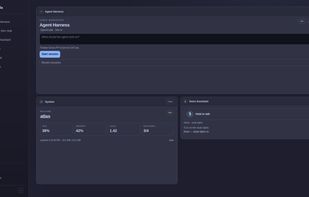
Modules are self-contained, Git-backed packages with a web interface and optional sidecar processes. Sidecars can be written in Python, Node, Rust, or other languages that bind to loopback. Modules can come from a curated index, signed publishers, or the built-in "orqella module new" scaffolding command. Agent Harness provides workspaces for AI coding agents with sessions, plans, diffs, approvals, and terminals; generated modules are validated before installation. Other features include live module development, sandboxed module iframes with daemon-enforced permissions, custom dashboards, eight built-in themes, CSS overrides, backups, health checks, support bundles, and per-user service installation. The core is MIT-licensed, while modules are published in separate repositories.
Orqella Link is an optional paid service for sign-in, device enrollment, and remote connection setup. Paired devices use authenticated, end-to-end encrypted SSH connections over iroh/QUIC with NAT hole punching. It does not require port forwarding or a VPN when a direct connection is available, and application traffic is not relayed through Link. Local-only use is free and does not require an account. Orqella has desktop apps for Linux, macOS, and Windows, a browser dashboard, and beta mobile clients.







 Griffin O'Neill


No comments or reviews, maybe you want to be first?