


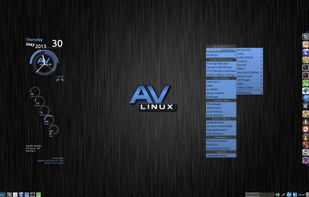
AV Linux is a versatile, MX Linux-based distribution featuring a large collection of audio and video production software.
Cost / License
- Free
- Open Source
Application typeApplication types
Platforms
- Linux




MaboxLinux is described as 'Mabox Linux is based on Manjaro, featuring a customized Openbox window manager preconfigured to be ready to use' and is a Linux Distro in the os & utilities category. There are more than 100 alternatives to MaboxLinux for a variety of platforms, including Linux, Self-Hosted, BSD, Windows and Mac apps. The best MaboxLinux alternative is Linux Mint, which is both free and Open Source. Other great apps like MaboxLinux are Ubuntu, Debian, Fedora and Arch Linux.
AV Linux is a versatile, MX Linux-based distribution featuring a large collection of audio and video production software.

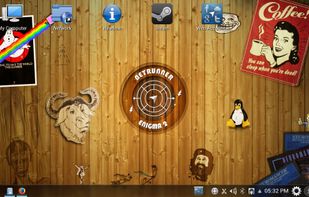
Netrunner is an Debian -based distribution with a focus on desktop computing. It boasts a carefully tuned KDE Plasma Plasma 5 desktop.
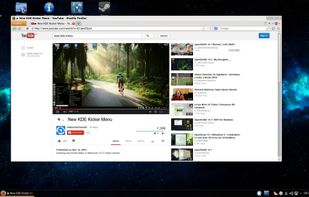


Featuring Linux Mint’s Cinnamon Desktop with Ubuntu at the core, packed fast and full of features, here is the most traditionally modern desktop you will ever love.
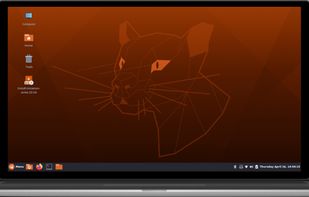
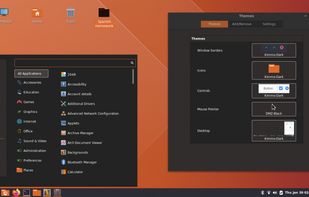
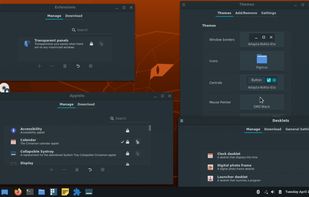


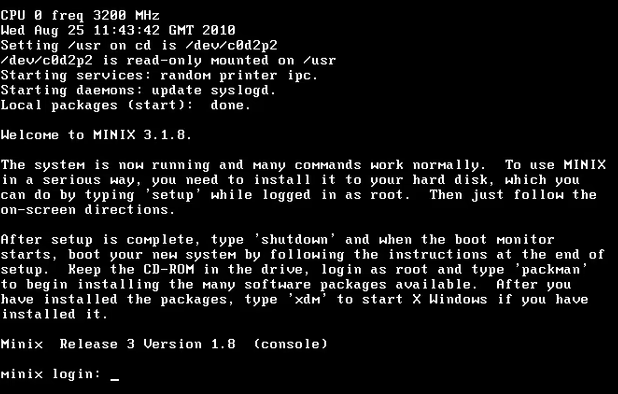
MINIX is a POSIX-compliant Unix-like operating system based on a tiny microkernel running in kernel mode with the rest of the operating system running as a number of isolated, protected, processes in user mode.
 Netherlands
 EU
EU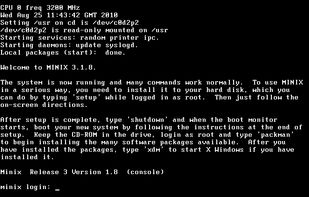


Bedrock Linux is a meta Linux distribution which allows users to utilize features from other, typically mutually exclusive distributions. Essentially, users can mix-and-match components as desired. For example, one could have:


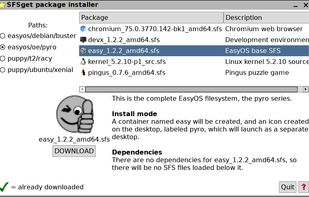
EasyOS is an experimental Linux distribution that uses many technologies and package formats pioneered by Puppy Linux .
 Australia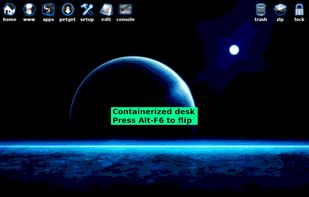


illumos is a free and open-source Unix operating system. It derives from OpenSolaris, which in turn derives from SVR4 UNIX and Berkeley Software Distribution (BSD). illumos comprises a kernel, device drivers, system libraries, and utility software for system administration.


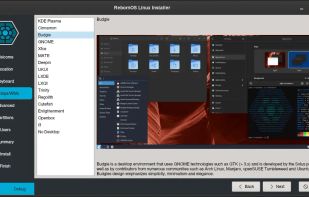
The unofficial successor of Antergos, RebornOS is an Arch-based distro that focuses on allowing the user to decide exactly how they want their system while making it easy for anyone to do so - both during installation and afterwards.


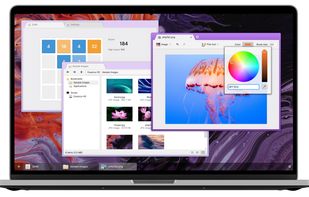
Serenity is a graphical 32-bit Unix-like operating system with 90s aesthetics and built for x86 systems.
 SwedenEU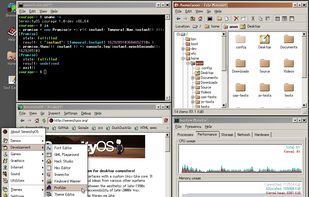
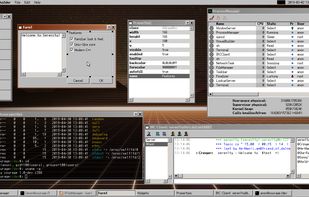


Knoppix is an operating system based on Debian designed to be run directly from a CD / DVD (Live CD) or a USB key (Live USB), one of the first of its kind for any operating system. When starting a program, it is loaded from the removable medium and decompressed into a RAM drive.











 United States


 Germany


