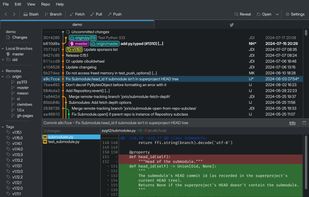
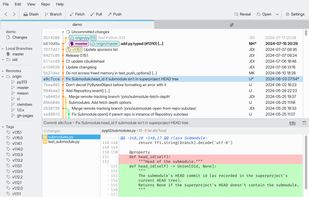
Explore your repos easily. Craft commits intuitively. GitFourchette will become your new home to get work done in your Git repositories.
 France
 EU



Apps similar to LabNex include GitHub Desktop, which is free and open source. Other options are Gittyup, GitKraken, Sourcetree and SmartGit. Git Clients like LabNex are a crowded field, with more than 25 alternatives for Mac, Windows, Linux, Android and the web.
Explore your repos easily. Craft commits intuitively. GitFourchette will become your new home to get work done in your Git repositories.
FranceEU
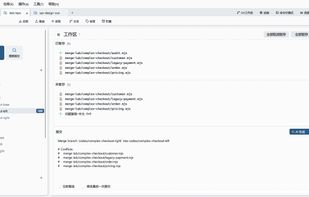
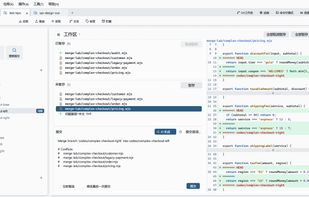
Git Agent is a desktop client for everyday Git work. It combines workspaces, commit history, branches, remotes, and conflict resolution in one interface.
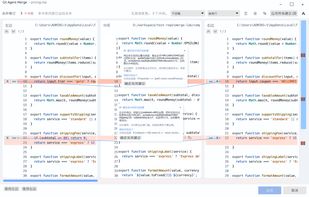
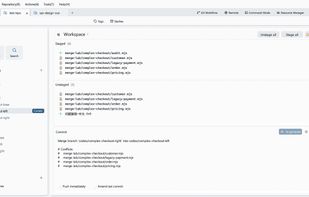


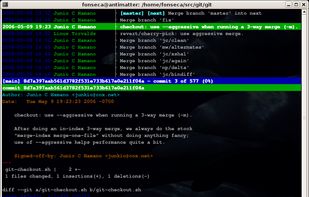
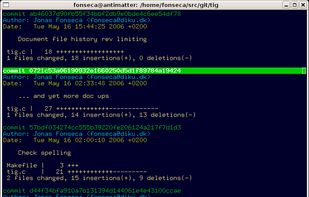


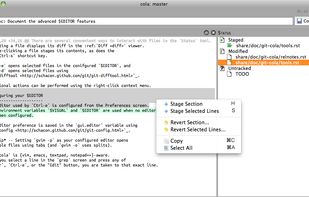
git-cola is a powerful GUI for git, a distributed revision control system. cola's ingredients include git-python and jsonpickle. cola is released under the GNU GPL v2.
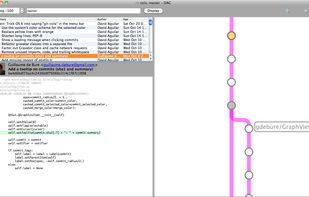


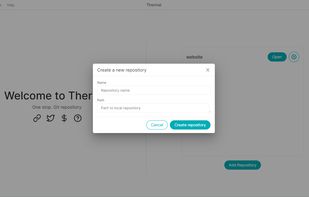
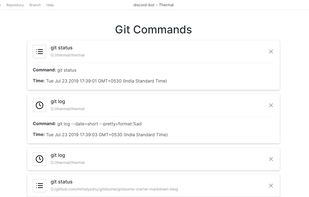
Thermal is a free, open-source, cross-platform Git GUI built by developers for developers. It's a desktop application built with Electron & Vue.js, allowing you to manage your Git repositories at one place by providing a simple to use graphic interface with built-in...
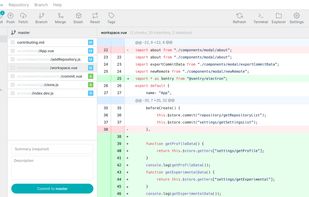


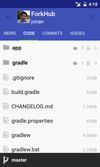
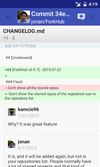
ForkHub is an open source GitHub client that started off as a fork of the official Android app from GitHub after they abandoned it, and has since seen lots of improvements. You can see a comprehensive list of changes in the change log: .
 SpainEU
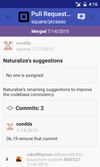


AngKorGit is a modern, cross-platform Git client for macOS, Windows, and Linux — a 12 MB download instead of the ~1 GB of Electron-based clients, built with Rust and native webviews for speed.
 Cambodia
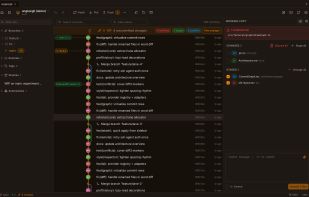
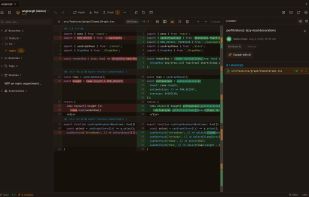
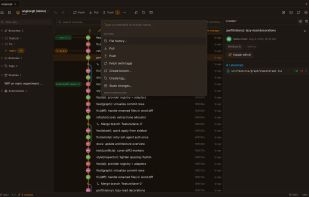
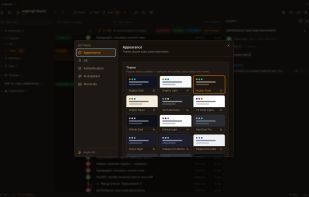


A fast, lightweight Git GUI for macOS, Windows & Linux. Visual commit graph, 3-way merge editor, GitHub/GitLab/BitBucket integration. No account required. Pro at €49/year.
FranceEU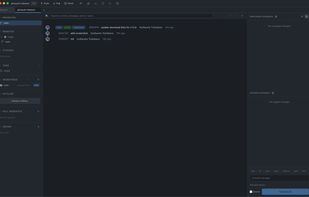
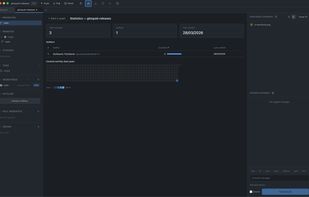
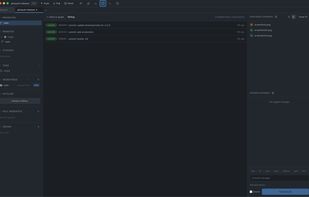


A free, professional-grade Git client for macOS. Tower-like experience with best-in-class diff visualization. Local-first, privacy-focused, and completely open source.
 Canada
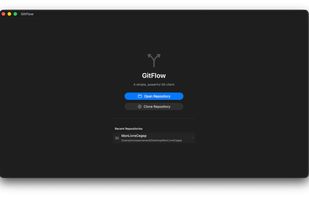
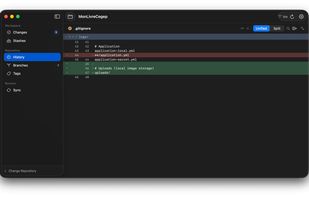
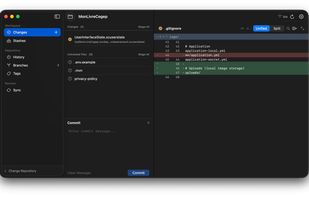


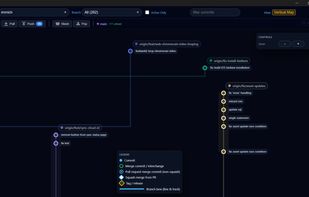
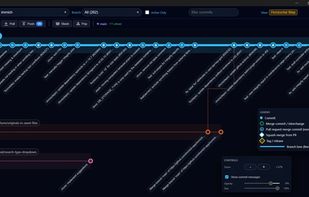
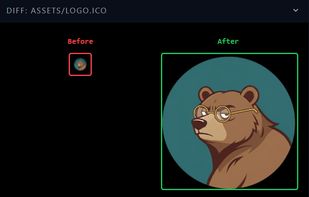
This is a passion project of mine where I wanted a cross-platform git client, which would tackle some of the pain-points of existing solutions. Namely, conditional strategies to handle larger repositories (i.e. Kubernetes, Linux kernel, etc.


 United States




 Sweden