

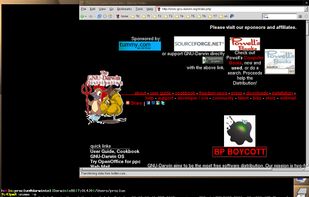
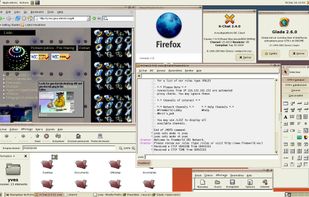
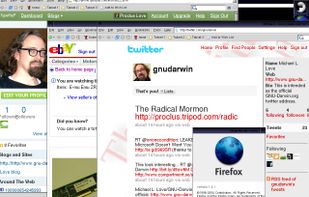
GNU-Darwin aims to be the most free software distribution. Our mission is two-fold: Focus on projects that leverage our unique combination of Darwin and GNU, and help users to enjoy the benefits of software freedom.




Korora Project is described as 'Korora is an installable Fedora Remix Live USB image which aims to provide a complete out of the box experience for new users, including support for multimedia' and is a Linux Distro in the os & utilities category. There are more than 100 alternatives to Korora Project for a variety of platforms, including Linux, Self-Hosted, BSD, Mac and Windows apps. The best Korora Project alternative is Linux Mint, which is both free and Open Source. Other great apps like Korora Project are Ubuntu, Debian, Fedora and Arch Linux.
GNU-Darwin aims to be the most free software distribution. Our mission is two-fold: Focus on projects that leverage our unique combination of Darwin and GNU, and help users to enjoy the benefits of software freedom.

ULinux is based on openSUSE, and is a free linux distribution with the aim of combining the DIY-approach of Arch with the setup of Ubuntu.




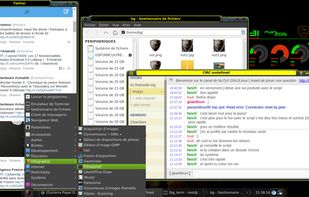


Popular Alternatives to Scratch for Windows, Web, Mac, Linux, iPad and more. Explore 25+ apps like Scratch, all suggested and ranked by the AlternativeTo user community.
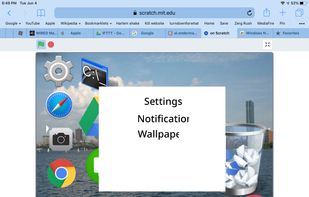


Visopsys (VISual OPerating SYStem) is an alternative operating system for PC-compatible computers, written “from scratch”, and developed primarily by a single hobbyist programmer since 1997.




Springdale Linux (SDL) / Formerly known as PUIAS Linux is a RHEL-based Distribution and Mirror. A project of members of the computing staff of ?Princeton University and the ?Institute for Advanced...


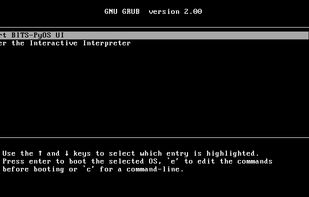
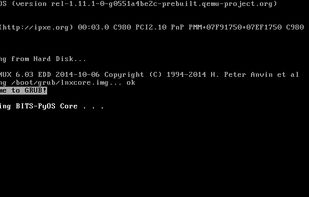


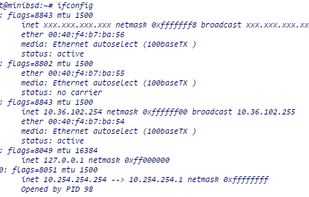
miniBSD is a project to develop a set of scripts that shrinks a running FreeBSD system to a small sized miniBSD distribution suited for small media like USB pens and CF cards.


A new OS/2-based operating system from Arca Noae, codenamed Blue Lion, arrived today, May 15, 2017, after nearly two years in development.
 United States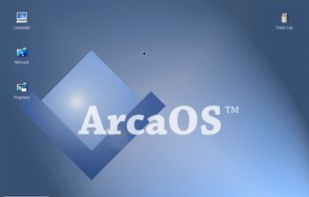


Black Lab Linux is a custom Linux distribution that focuses on bringing stability to desktop Linux. This system provides high performance and enhanced multimedia capabilities to home, business, and professional desktop Linux users.
United States