Gitweb Alternatives
Apps similar to Gitweb include GitHub, which has a free version. Other options are GitLab, Forgejo, Gitea and SourceForge. You're spoiled for choice with Version Control Systems like Gitweb: we list more than 50 alternatives for Mac, Linux, Windows, the web and self-hosting.
Alternatives list
Cost / License
- Free
- Open Source
Application typeApplication types
Platforms
- Mac
- Linux
- Online
- Self-Hosted
 C
C

Cost / License
- Free
- Open Source
Application type
Platforms
- Mac
- Windows
- Linux
- Self-Hosted
- Perl
 Japan
Japan


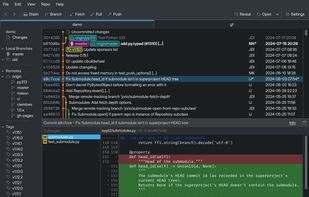
Explore your repos easily. Craft commits intuitively. GitFourchette will become your new home to get work done in your Git repositories.
Cost / License
- Free
- Open Source (GPL-3.0)
Application typeApplication types
Platforms
- Linux
- Flathub
- Flatpak
 France
 EU
EU


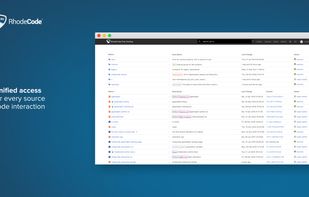
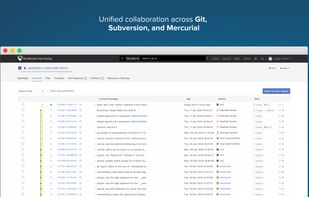
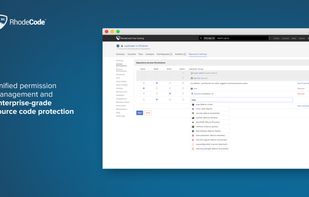
Fast and powerful management tool for SVN, Mercurial, and GIT with a built in push/pull server and full text search and code-review. It works on http/https and has a built in permission/authentication system with the ability to authenticate via LDAP or ActiveDirectory.
Cost / License
- Freemium
- Proprietary
Application typeApplication types
Platforms
- Online
- Software as a Service (SaaS)
 Poland
- EU


Cost / License
- Free
- Open Source (GPL-2.0)
Application type
Platforms
- Mac
- Linux
- BSD
- Cygwin

 +5
+5


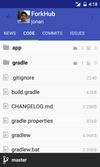
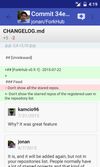
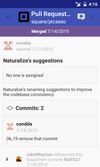
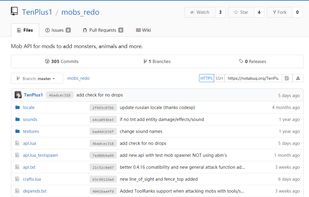
ForkHub is an open source GitHub client that started off as a fork of the official Android app from GitHub after they abandoned it, and has since seen lots of improvements. You can see a comprehensive list of changes in the change log: .
Cost / License
- Free
- Open Source (Apache-2.0)
Alerts
- Discontinued
Platforms
- Android
- Android Tablet
- F-Droid
 Spain
Spain- EU


Cost / License
- Free
- Open Source
Application typeApplication types
Platforms
- Online
- Global

 64 GITK alternatives
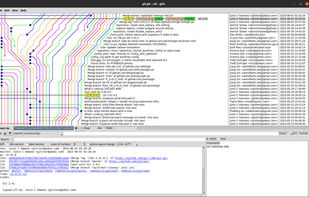
Displays changes in a repository or a selected set of commits. This includes visualizing the commit graph, showing information related to each commit, and the files in the trees of each revision.
Cost / License
- Free
- Open Source
Application typeApplication types
Platforms
- Mac
- Windows
- Linux
 United States

 64 GLab alternatives
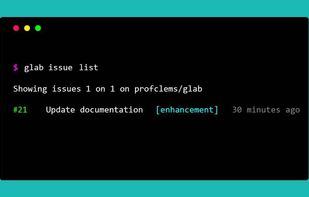
GLab is an open source Gitlab Cli tool written in Go (golang) to help work seamlessly with Gitlab from the command line. Work with issues, merge requests, watch running pipelines directly from your CLI among other features. Inspired by gh, the official GitHub CLI tool.
Platforms
- Mac
- Windows
- Linux


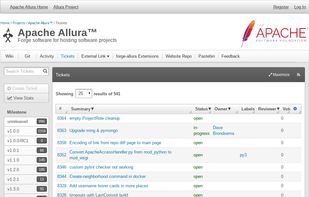
Apache Allura is an open source implementation of a software forge, a web site that manages source code repositories, bug reports, discussions, wiki pages, blogs, and more for any number of individual projects.
Cost / License
- Free
- Open Source (Apache-2.0)
Application typeApplication types
Platforms
- Mac
- Windows
- Linux
- Online
- United States


 +1
+1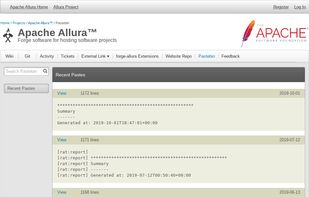


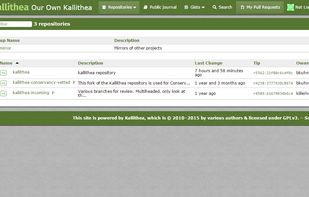
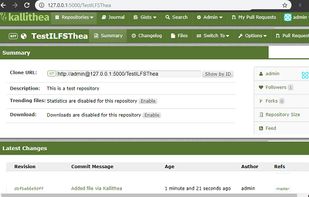
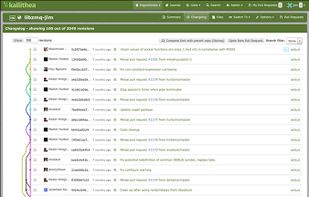
Kallithea, a free software source code management system supporting two leading version control systems, Mercurial and Git.
Cost / License
- Free
- Open Source
Application typeApplication types
Platforms
- Mac
- Windows
- Linux
- Self-Hosted
- Python
- United States
 +1
+1