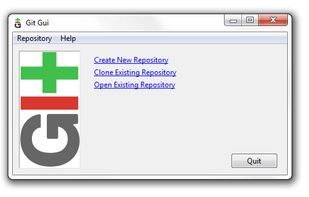
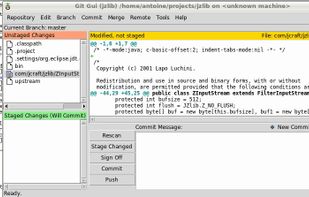
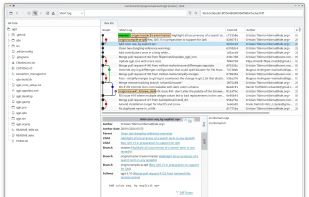
Is a tool for creating commits and managing branches. It was inspired by and initially based on gitool. Written in Tcl/Tk. Stable versions are shipped with Core Git since version 1.5.
Platforms
- Mac
- Windows
- Linux
- BSD
- Cygwin
 United States



Apps similar to GitFourchette include GitHub Desktop, which is free and open source. Other options are GitKraken, Sourcetree, SmartGit and Gittyup. Git Clients like GitFourchette are a crowded field, with more than 50 alternatives for Mac, Windows, Linux, Android and self-hosting.
Is a tool for creating commits and managing branches. It was inspired by and initially based on gitool. Written in Tcl/Tk. Stable versions are shipped with Core Git since version 1.5.
United States

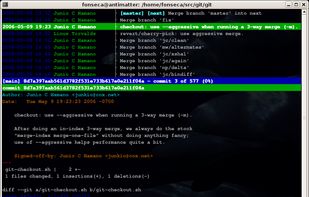
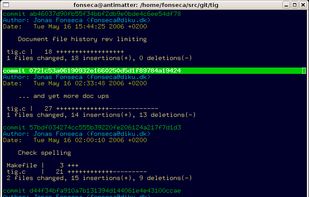
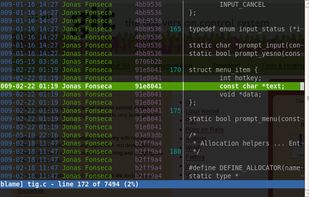


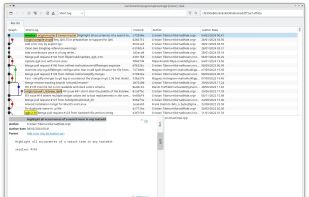
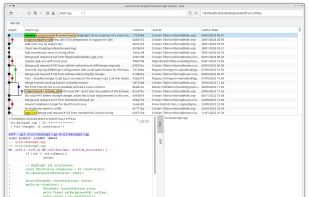


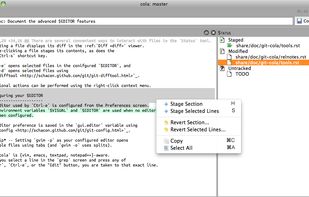
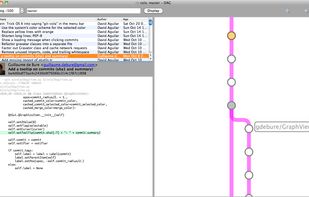
git-cola is a powerful GUI for git, a distributed revision control system. cola's ingredients include git-python and jsonpickle. cola is released under the GNU GPL v2.


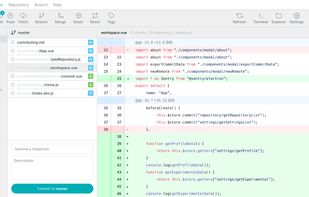
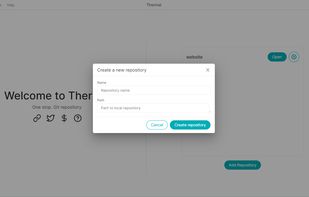
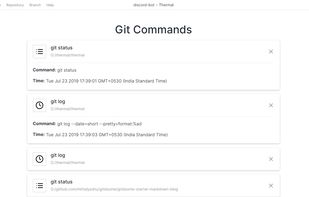
Thermal is a free, open-source, cross-platform Git GUI built by developers for developers. It's a desktop application built with Electron & Vue.js, allowing you to manage your Git repositories at one place by providing a simple to use graphic interface with built-in...


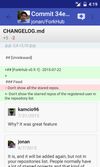
ForkHub is an open source GitHub client that started off as a fork of the official Android app from GitHub after they abandoned it, and has since seen lots of improvements. You can see a comprehensive list of changes in the change log: .
 Spain
Spain EU
EU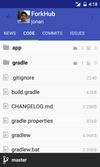
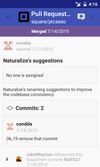


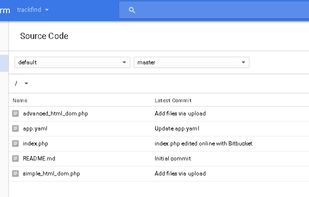
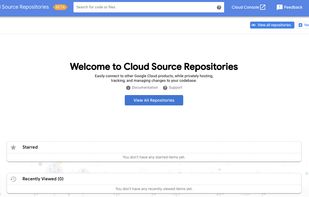
Cloud Source Repositories helps you privately host, track, and manage changes to large codebases on Google Cloud Platform.
United States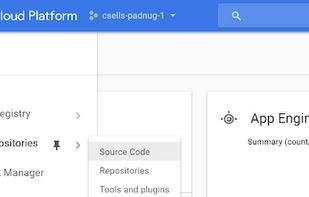


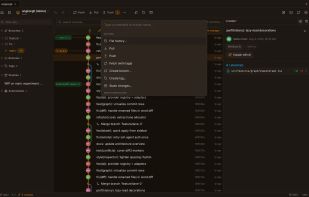
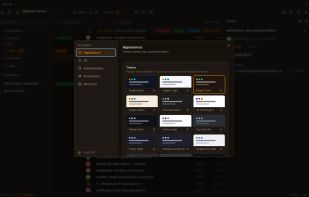
AngKorGit is a modern, cross-platform Git client for macOS, Windows, and Linux — a 12 MB download instead of the ~1 GB of Electron-based clients, built with Rust and native webviews for speed.
 Cambodia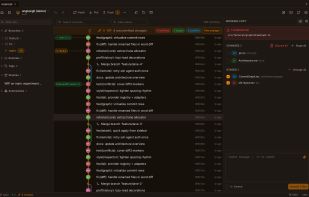
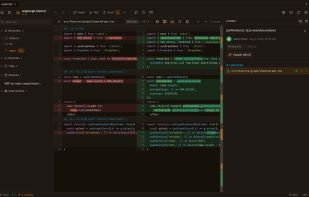


Displays changes in a repository or a selected set of commits. This includes visualizing the commit graph, showing information related to each commit, and the files in the trees of each revision.
United States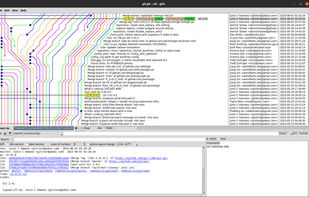


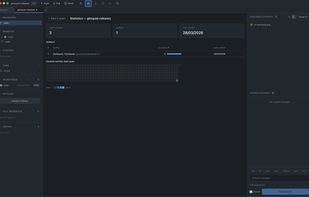
A fast, lightweight Git GUI for macOS, Windows & Linux. Visual commit graph, 3-way merge editor, GitHub/GitLab/BitBucket integration. No account required. Pro at €49/year.
 FranceEU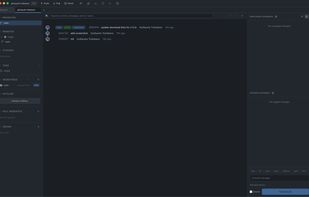


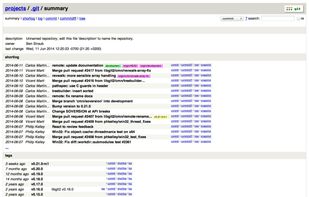
Gitweb is a Git web interface. It is written in Perl and can be used as a CGI script, or as a mod_perl legacy script (run by ModPerl::Registry handler). It allows browsing a git repository (or a set of git repositories) using a web browser.