ChromiumOS fork with Thorium Browser, x264/x265 codecs, Widevine, Kernel 5.15, Linux firmware/modules support, Nouveau, Intel microcode, and extra packages.
Platforms
- Self-Hosted


Apps similar to FydeOS include Linux Mint, which is free and open source. Other options are Debian, Fedora, openSUSE and Manjaro Linux. There's no shortage of Operating Systems like FydeOS, with more than 100 alternatives for Linux, self-hosting, Mac, Windows and Android.
ChromiumOS fork with Thorium Browser, x264/x265 codecs, Widevine, Kernel 5.15, Linux firmware/modules support, Nouveau, Intel microcode, and extra packages.

RetroBSD is a port of 2.11BSD Unix intended for embedded systems with fixed memory mapping. The current target is Microchip PIC32 microcontroller with 128 kbytes of RAM and 512 kbytes of Flash.


Sourcemage is a source-based GNU/Linux distribution based on a Sorcery metaphor of 'casting' and 'dispelling' programs, which we refer to as 'spells'.
 United States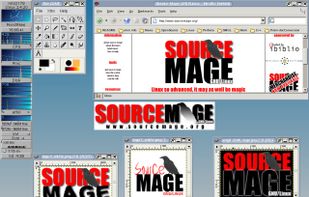
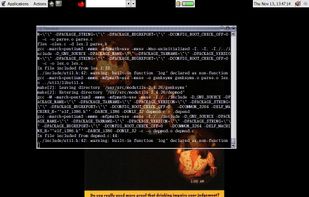


Founded in 2014 by Oliver Pinter and Shawn Webb, HardenedBSD is a security-enhanced fork of FreeBSD. The HardenedBSD Project is implementing many exploit mitigation and security technologies on top of FreeBSD.


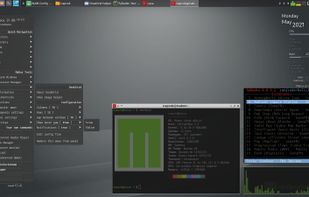
Mabox Linux is based on Manjaro, featuring a customized Openbox window manager preconfigured to be ready to use.
 Poland
 EU
EU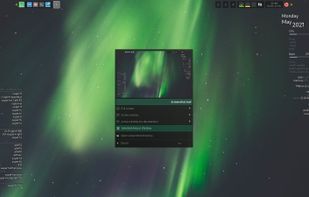
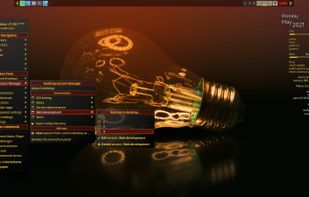
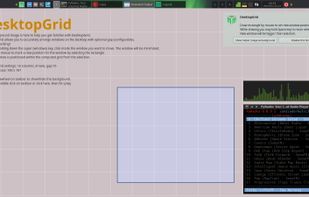


Darwin is the Open Source operating system from Apple that forms the basis for Mac OS X, and PureDarwin is a community project to make Darwin more usable (some people think of it as the informal successor to OpenDarwin.


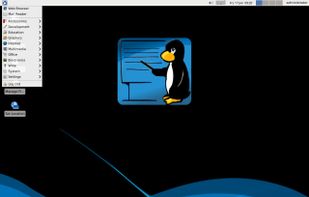
Karoshi provides a simple graphical interface that allows for quick installation, setup and maintenance of a network.


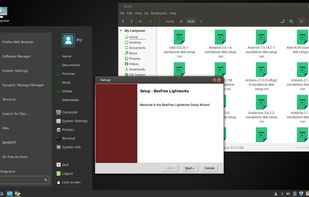
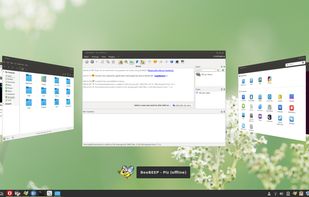
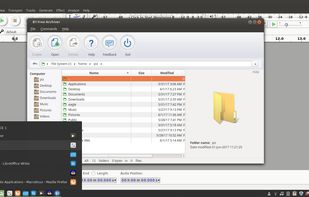
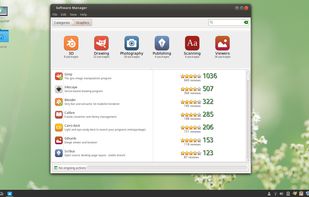
BeeFree OS is inspired from Ubuntu, Windows 7 and Linux Mint. The name is acronym for Beautiful, Effective, Efficient and Freedom.

 United States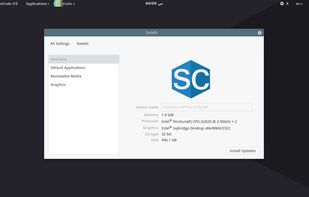

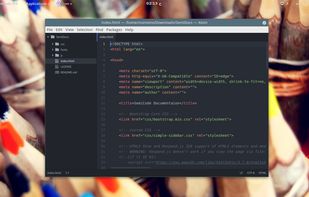
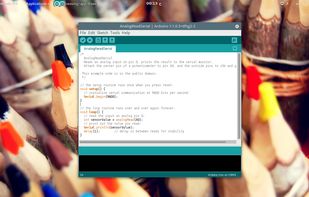


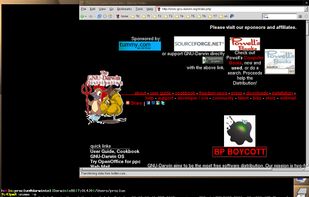
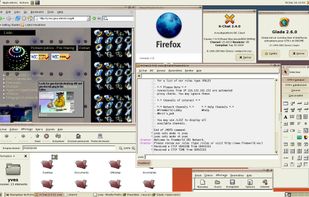
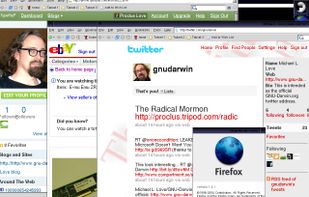
GNU-Darwin aims to be the most free software distribution. Our mission is two-fold: Focus on projects that leverage our unique combination of Darwin and GNU, and help users to enjoy the benefits of software freedom.


ULinux is based on openSUSE, and is a free linux distribution with the aim of combining the DIY-approach of Arch with the setup of Ubuntu.