





DeskVNC
4 likes
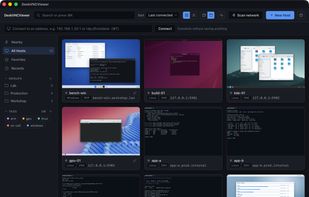
Native VNC, RDP and SSH client. Pure-Rust protocol cores, Tauri 2. One host library for all three, plus an MCP control plane so an AI agent can drive remote desktops with human takeover.

Cost / License
- Free
- Open Source (Apache-2.0)
Application type
Since
- New
Updated
- Updated Nov 2026
Releases
- 33 releases last year33 last year
Platforms
- Mac
- Windows
- Linux
- Rust


Features
Highlights All activities
DeskVNC News & Activities
Recent activities
- humble-advisor liked DeskVNC
 vexaro_llc added DeskVNC as alternative to Vexaro Desk
- catmuf liked DeskVNC
- Ben liked DeskVNC
- Sam Kelton liked DeskVNC
- Sam Kelton added DeskVNC
- Paul updated DeskVNC
 Sam Kelton added DeskVNC as alternative to TeamViewer, RustDesk, AnyDesk, Chrome Remote Desktop and 47 more


Developed by
 Godwin
Licensing
Open Source (Apache-2.0) and Free product.Written in
Alternatives
53 alternatives listedBadge
Get an embeddable badge for DeskVNCSupported Languages

AlternativeTo Categories
Network & Admin, Remote Work & Education, OS & UtilitiesGitHub repository
- 98 Stars
- 16 Forks
- 7 Open Issues
- Updated


No comments or reviews, maybe you want to be first?