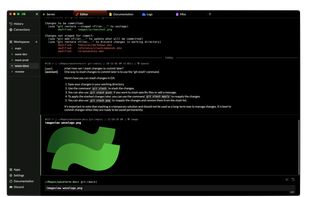
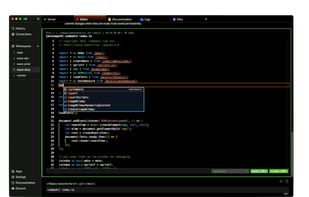
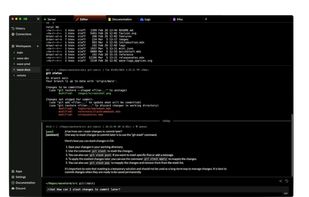
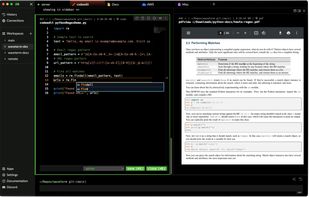
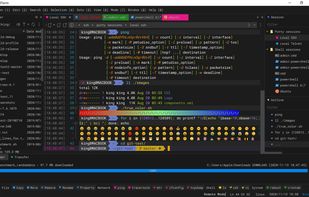
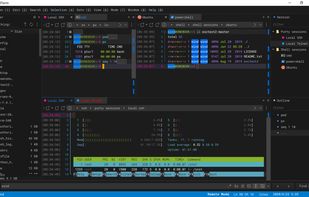
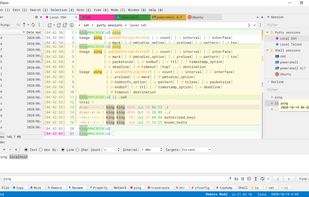
Wave is an open-source, AI-native terminal built for seamless developer workflows with inline rendering, a modern UI, and persistent sessions.
 United States



+2


ConEmu has been discontinued. One of the most popular alternatives is Ghostty, which is free and open source. Other popular alternatives are Tabby, Windows Terminal, PowerShell and Cmder. There's no shortage of Terminal Emulators like ConEmu, with more than 50 alternatives for Windows, Linux, Mac, Android and iPhone.
Wave is an open-source, AI-native terminal built for seamless developer workflows with inline rendering, a modern UI, and persistent sessions.
United States
Tess is a terminal emulator. It lets you have a full access to your computer, use command line based programs and many more.
 France
 EU
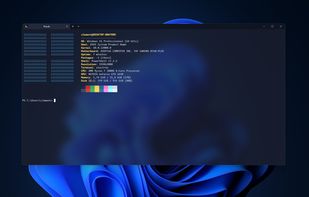
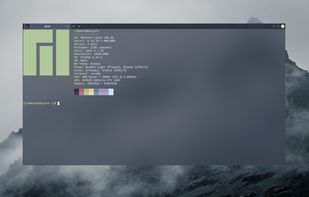
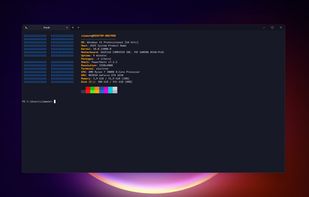
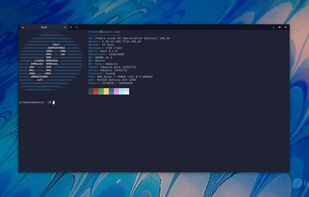


Hyper™ is a beautiful and extensible, cross-platform terminal built on open web standards. It provides an elegant command-line experience that is consistent across all supported platforms which includes macOS, Windows and various Linux distributions like Fedora and Debian.
United States


Yakuake is a drop-down (Quake-style) terminal emulator based on KDE Konsole technology. Its design was inspired from consoles in computer games such as Quake which slide down from the top of the screen when a key is pressed, and slide back up when the key is pressed again.
 GermanyEU
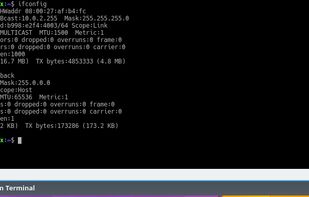


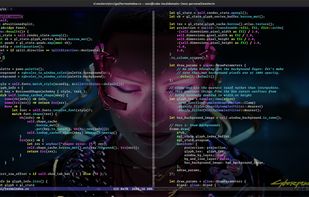
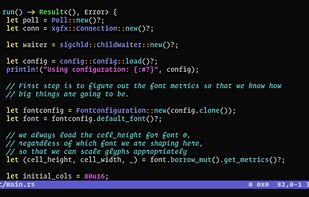
A GPU-accelerated cross-platform terminal emulator and multiplexer written by @wez and implemented in Rust
United States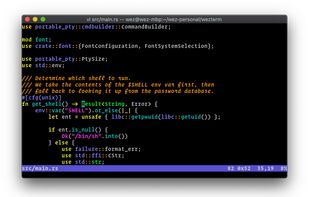


 China


Terminal (also referred to as Terminal.app) is a terminal emulator included in Apple's Mac OS X operating system. It originated in Mac OS X's predecessors, NEXTSTEP and OPENSTEP, and allows the user to interact with the computer through a command line interface.
United States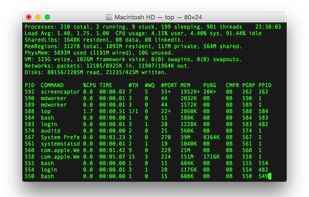


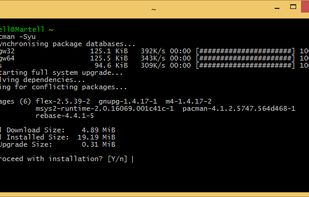
MSYS2 is an independent rewrite of MSYS, based on modern Cygwin (POSIX compatibility layer) and MinGW-w64 with the aim of better interoperability with native Windows software.

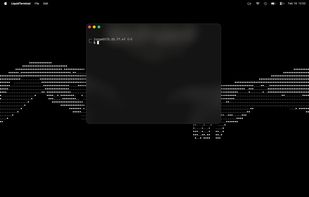
A transparent, borderless terminal that lets your desktop show through. Themes restyle its colours and type.


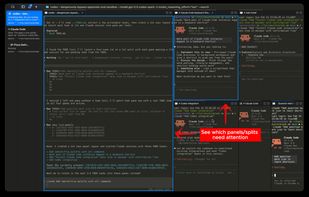
Native macOS app built on Ghostty. Vertical tabs, notification rings when agents need attention, split panes, and a socket API for automation.
United States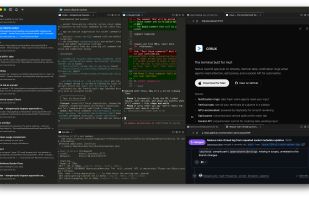

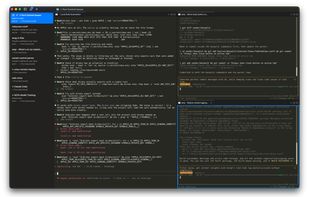


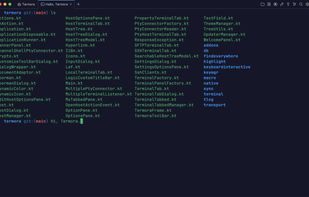
Termora is developed using Kotlin/JVM and partially implements the XTerm protocol (with ongoing improvements). Its ultimate vision is to achieve full platform support (including Android, iOS, and iPadOS) through Kotlin Multiplatform.

 United States