


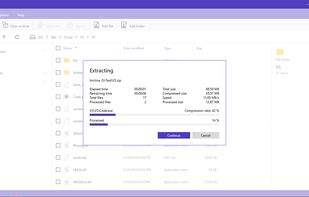
Hamster ZIP Archiver is a powerful and modern archival program that allows users to easily compress and open files from any archive.
Platforms
- Windows
 Russia


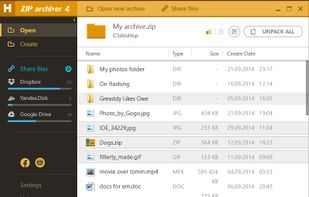


Hamster ZIP Archiver is a powerful and modern archival program that allows users to easily compress and open files from any archive.
Russia
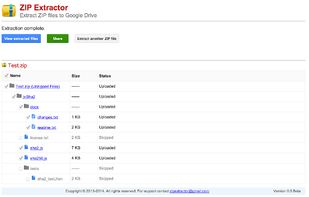
ZIP Extractor is a free, open-source application for decompressing ZIP files into Google Drive.


Zipeg is a universal open source archive extractor that supports ZIP and RAR (among other archiving formats). With just a click you can open a file and see what is inside.
 United States


9 Zip makes it easy to compress and decompress the Zip file. 9Zip not only works on Zip file but also decompress other files like Rar, Rar5, 7z, Gz, Bz, Tar, Jar.
 Spain
Spain EU
EU
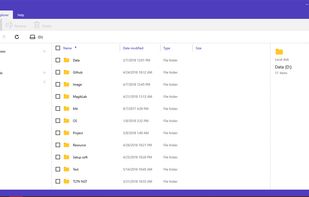
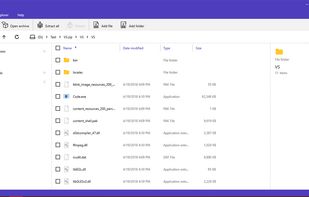


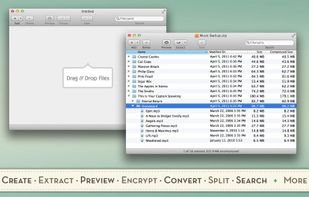
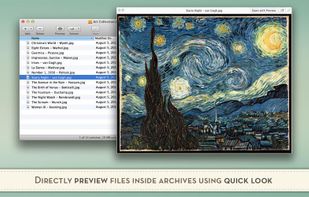
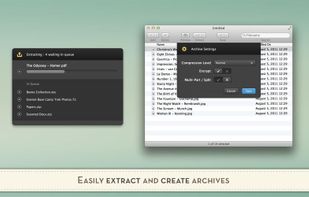
Easily create, open and preview popular archive files like ZIP, RAR, 7z, TGZ and more ( 30+ formats supported ).


Light archive manager "Kudesnik". Formats: ZIP, JAR, RAR, 7-ZIP. Create and decompress archives.




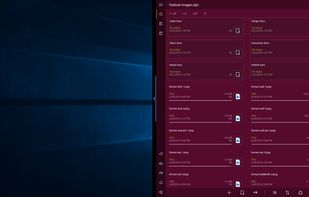
Out with the old, in with the new. The powerful archiver 8 Zip has expanded its set of capabilities with the new Continuum and Windows Hello technologies.
 EstoniaEU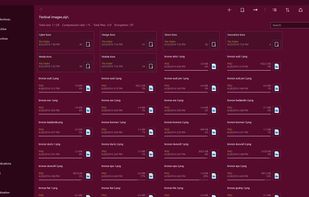




During the command-line era of computing, archiving files involved cryptic commands such as tar -xvf somefile.tar. However, since those days, the masses have come to use computers, and they expect an easy to use system with graphical elements and interaction.


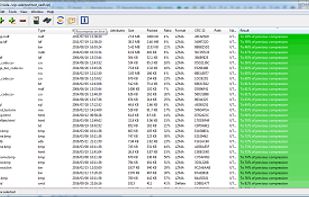
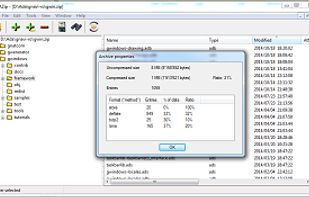
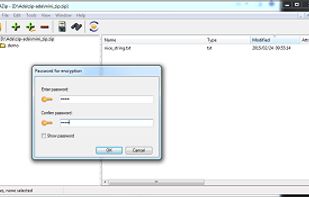
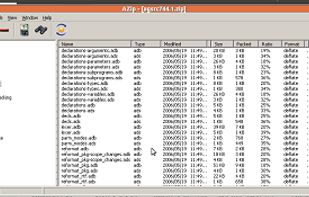
AZip is a free Zip Archive Manager with unique features such as: built-in content Search, smart archive Update, archive Recompression.


 India
India


