



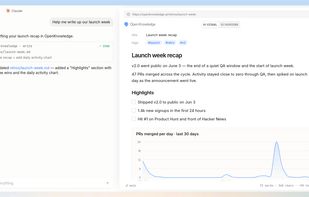
AI-native markdown editor featuring WYSIWYG editing, LLM integrations, team sharing, GitHub sync, graph wiki links, TUI, and embeddable components.
Cost / License
- Free
- Open Source
Application typeApplication types
Platforms
- Mac
- Windows
- Linux
- Node.JS


Open-source AI is evolving at an incredible pace, giving developers and enthusiasts more freedom, transparency, and control than ever before. This collection highlights some of the most interesting open-source AI projects for running models locally, building AI applications, automating workflows, and experimenting with the latest advances in artificial intelligence. Whether you're looking for privacy, customization, or simply want to avoid vendor lock-in, these projects are well worth exploring.

AI-native markdown editor featuring WYSIWYG editing, LLM integrations, team sharing, GitHub sync, graph wiki links, TUI, and embeddable components.

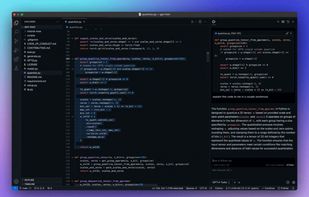
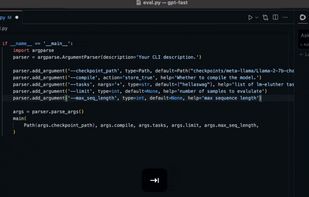
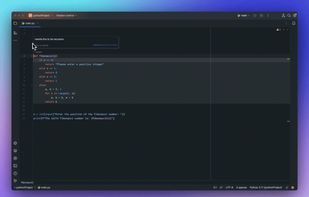
If you spend a lot of time writing code, Continue is worth trying. I like that it works with different AI models instead of locking you into a single ecosystem.


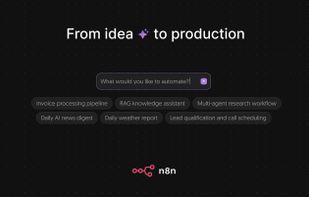
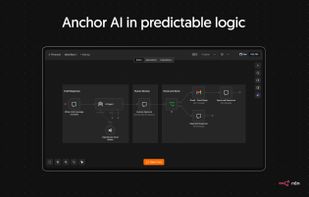
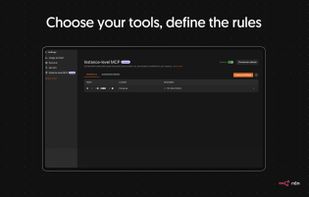
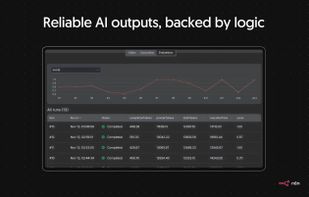
One of my favorite automation platforms. Whether you're connecting apps or building AI workflows, n8n gives you a huge amount of flexibility without forcing you into a cloud service.

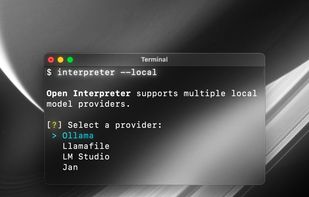
This feels like giving an AI assistant real hands instead of just a keyboard. It's incredibly powerful, but it's also one of those tools that should be used thoughtfully.

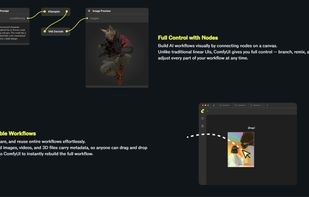
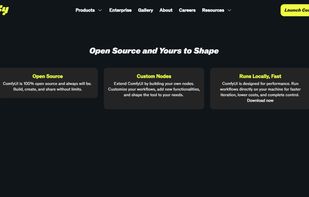
ComfyUI definitely has a learning curve, but once it clicks, it's hard to go back. The amount of control you get over image generation is simply amazing.

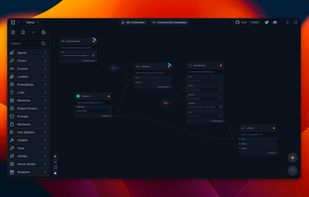
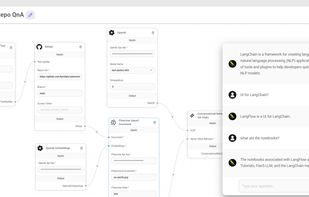
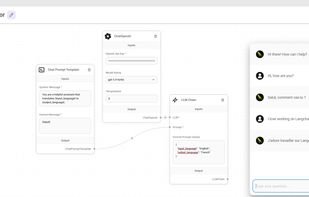
I like Langflow because it lets you see how everything connects instead of hiding the logic in code. It's a great way to prototype and learn at the same time.
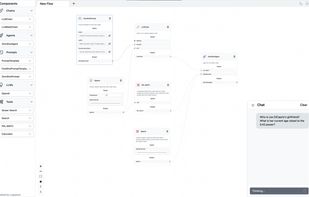

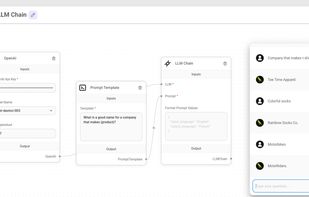
Flowise is one of those tools that makes complex AI workflows much easier to understand. Even if you're new to LangChain, the visual interface helps a lot.

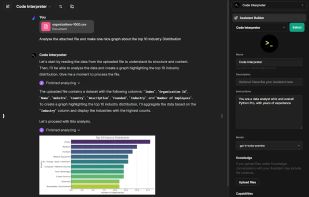
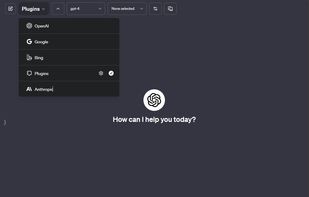
If you enjoy experimenting with different AI models, LibreChat is hard to beat. Being able to connect multiple providers and even local models in one interface is incredibly convenient.


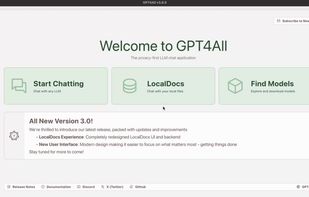
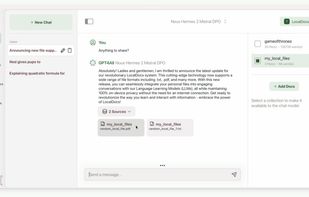
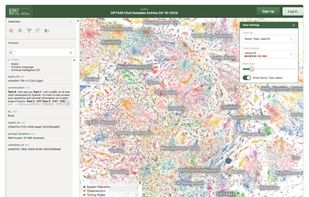
GPT4All was one of the first projects that made local AI accessible to everyone. It may not have every new feature, but it's still a solid option if you want an offline AI assistant.

I like Jan because it feels clean and simple without sacrificing flexibility. It's a nice choice if you want a ChatGPT-like experience while keeping control over where your AI runs.
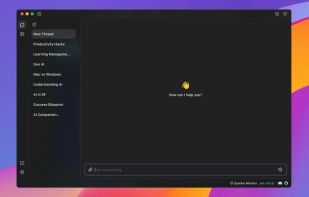
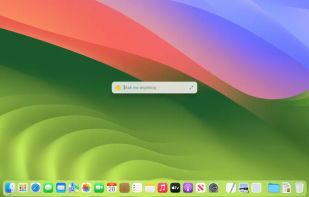
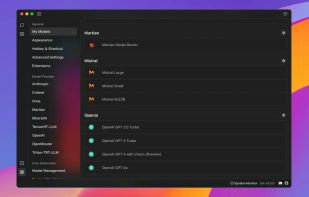
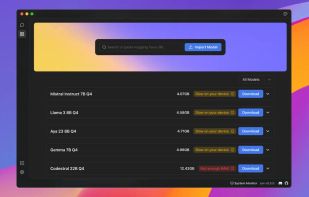

Probably the easiest way to get started with local AI. Download a model, click a few buttons, and you're chatting with it in minutes. Great for anyone who wants to keep everything on their own computer.
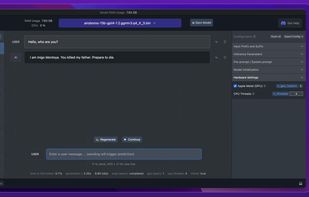

I've tried quite a few AI workspaces, and AnythingLLM is one of the easiest ways to chat with your own documents. If you want a private knowledge base without being locked into one AI provider, it's definitely worth a look.
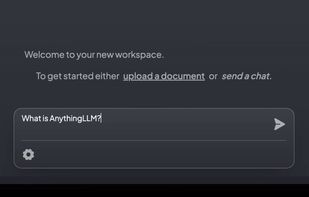
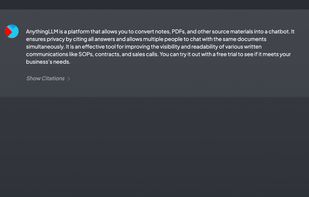
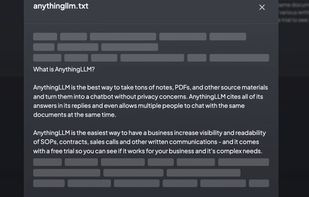

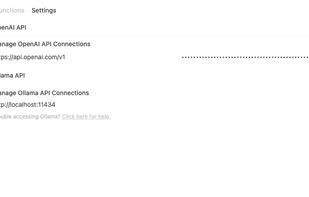
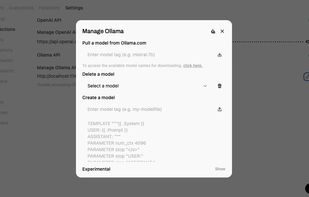
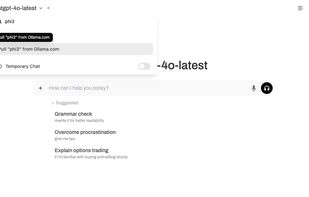
Ollama makes it easy to run large language models locally on your own computer with just a few commands. It supports many popular open-source models, offers a simple setup process, and gives users full control over their AI without relying on cloud services, making it a popular choice for developers, researchers, and privacy-conscious users.


Extensible offline AI platform with user-friendly interface, LLM runner support, RAG inference, privacy focus, no registration, text-to-image, cloud sync, and dark mode.
The open-source AI ecosystem is growing faster than ever. Every month brings new models, agent frameworks, local AI tools, and developer platforms that rival commercial solutions. This list brings together the projects I find most useful, innovative, and actively maintained—whether you're building AI applications, running models locally, experimenting with agents, or simply looking for powerful alternatives to proprietary AI software.


