A modern logger/log collector with a multi-threaded design, clear configuration syntax, multi-platform support and clean source code.
Cost / License
- Freemium (Subscription)
- Open Source
Application typeApplication types
Since
- Since 2011
 United States

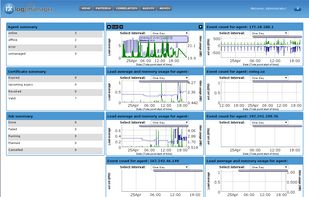


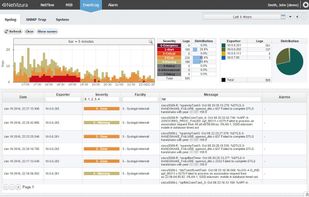
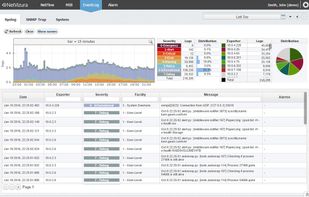
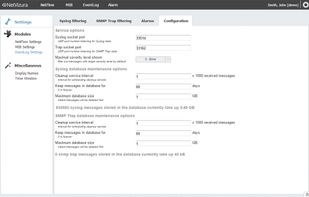
Visual Syslog Server has been discontinued. Similar apps include NXLog, which is open source with a free version. Other options are Syslog for windows, Nagios Log Server, Syslog Monitor and rsyslog-postgres-tools. In total there are eight Log Analyzers like Visual Syslog Server for Windows, Linux, self-hosting, Mac and the web.
A modern logger/log collector with a multi-threaded design, clear configuration syntax, multi-platform support and clean source code.
United States
This is another syslog for windows, it includes daemon and client. Features: RFC 3164-compliant; high performance; message forwarding; log rotation; completely open-source.


Nagios Log Server is a powerful enterprise-class log monitoring and management application that allows organizations to quickly and easily view, sort, and configure logs from any source on any given network.
United States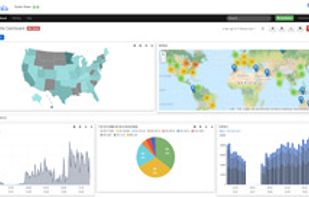



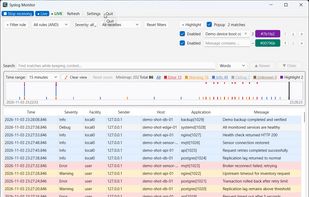
A simple windows desktop tool for syslog with features as search, filter, highlight, minimap and MCP server.


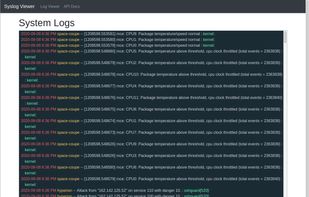
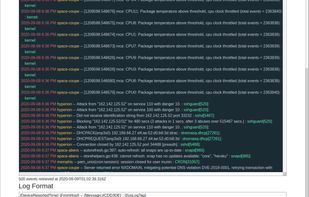
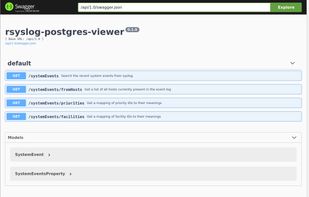
rsyslog-postgres-tools is a collection of Python based tools for interacting with, search, and managing syslog events stored in a PostgreSQL database by an rsyslog daemon. The tool set includes the following functionality:


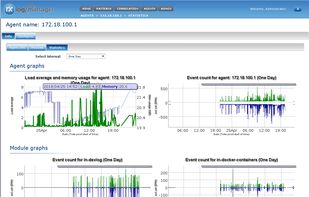
EventLog Analyzer, a log management software for SIEM, offers in-depth analytical capability to enhance network security with its predefined reports and real-time alerts. It also collects, monitors, correlates, and archives Windows event logs, syslogs, network devices logs...


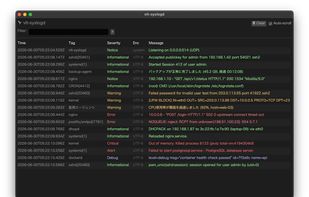
A portable syslog server for Windows and macOS that displays multi-byte (Japanese, Chinese, Korean) log messages correctly, with per-message encoding detection. Single binary, no installation.


EventLog Analyzer collects, archives and displays huge amount of network logs (Syslog and SNMP trap) and help net and system admins in identifying security incidents, policy violations, and operational issues.
 Serbia