


A simple command line interface for the Mac App Store. Designed for scripting and automation.
Cost / License
- Free
- Open Source (MIT)
Application typeApplication types
 Russia
Since
- Since 2017
GitHub
- GitHub stars: 12.4k


Apps similar to Synaptic include Homebrew, which is free and open source. Other options are Bazaar App Store, GNOME Software, pacman (package manager) and Discover. There's no shortage of Package Managers like Synaptic, with more than 50 alternatives for Linux, Mac, the web and Windows.
A simple command line interface for the Mac App Store. Designed for scripting and automation.

OneGet is a unified interface to package management systems and aims to make Software Discovery, Installation and Inventory (SDII) work via a common set of cmdlets (and eventually a set of APIs). Regardless of the installation technology underneath, users can use these common...

QApt is a collection of tools and a library providing a wrapper around APT. The intention is to ease the use of APT in Qt-based programs.
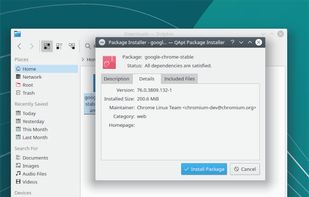

Yum is an automatic updater and package installer/remover for rpm systems. It automatically computes dependencies and figures out what things should occur to install packages. It makes it easier to maintain groups of machines without having to manually update each one using rpm.


Apper is a graphical management tool for packages and applications provided by a Linux distribution.
 Germany
 EU
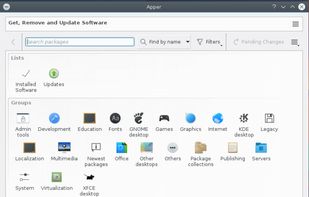
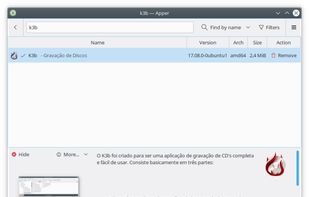

 GermanyEU
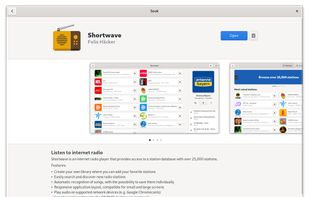


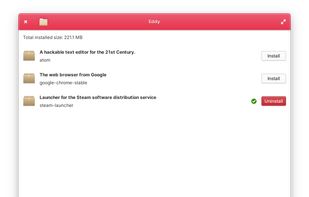


Pacstall will attempt to become the AUR Ubuntu wishes it had. It takes the AUR and puts a spin on it, making it easier to install programs without scouring github repos and the likes.


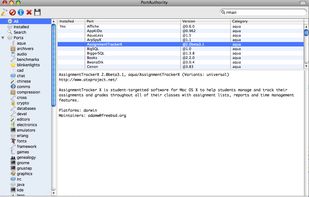
PortAuthority provides a GUI for the MacPorts Unix software management system for Mac OS X. MacPorts is a powerful command-line tool for installing and updating a variety of Unix-based applications for the Mac.
 United States


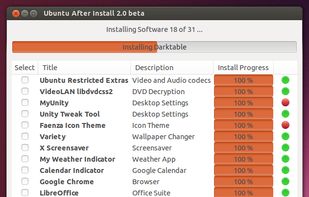
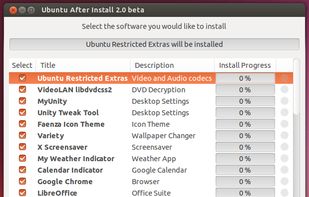
This program installs a collection of some of the best Ubuntu software and can be considered to be one of the top things to do after installing Ubuntu.
 South Africa


Tvix is a new implementation of Nix, a purely-functional package manager. It aims to have a modular implementation, in which different components can be reused or replaced based on the use-case.


