




OpenCloning
Like
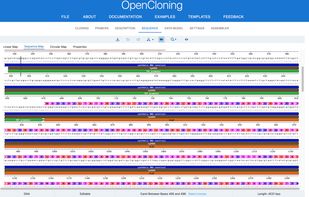
Free, open-source web application for DNA engineering. Allows primer design, DNA assembly with Gibson and Golden Gate, homologous recombination and more. Everything the app does can be automated with python, and it has an MCP server.

 EU


Features
Highlights All activities
OpenCloning News & Activities
Recent activities
 manulera added OpenCloning as alternative to VectorBee, Clone Manager and Open Vector Editor Electron
- manulera added OpenCloning
Developed by
 Manuel Lera Ramirez
First released
2024Licensing
Open Source (MIT) and Free product.Written in
Alternatives
8 alternatives listedBadge
Get an embeddable badge for OpenCloningSupported Languages

AlternativeTo Category
Sport & HealthGitHub repository
- 63 Stars
- 13 Forks
- 29 Open Issues
- Updated


No comments or reviews, maybe you want to be first?