

A vanishing note service supporting aes-gcm 256, custom passwords via pbkdf2, and one-time pads.
Cost / License
- Free
- Open Source
Since
- Since 2024
GitHub
- GitHub stars: 66
 United States


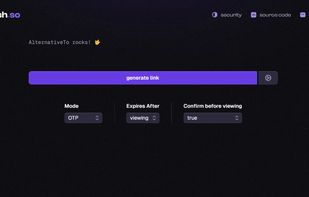

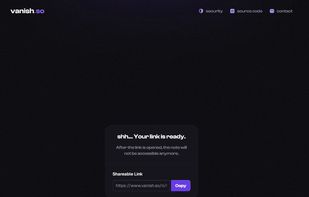

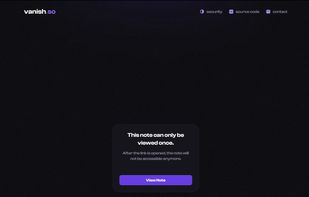


Sites and apps similar to OnlyU include vanish.so, which is free and open source. Other options are Retriever, BurnPony, One-Time Secret and Privnote. You can choose from more than 10 Note-taking Tools like OnlyU for self-hosting, Mac, Windows, Linux and Android.
A vanishing note service supporting aes-gcm 256, custom passwords via pbkdf2, and one-time pads.
United States
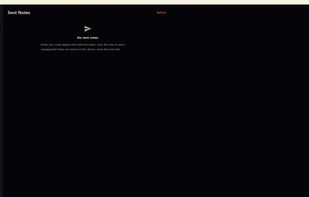
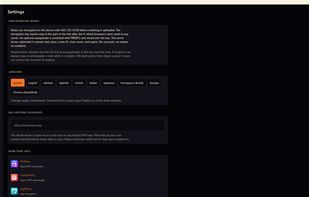
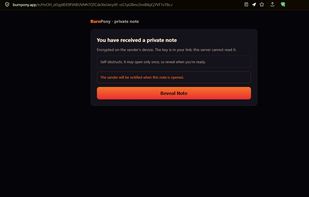
BurnPony seals a note on your phone with AES-256-GCM, hands you one link, and steps out of the way. The recipient opens it in any browser — no app, no account — and after the last allowed view the note is gone. The server in the middle only ever holds ciphertext.
United States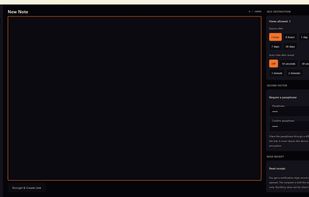


Keep sensitive information out of your chat logs and email. Share a secret link that is available only one time.


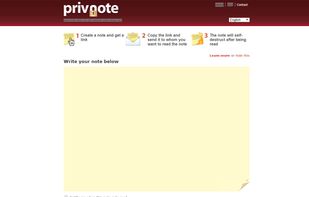
Share a confidential note via a web link that will self-destruct after it is read by your intended recipient


Yopass is a project for sharing secrets in a quick and secure manner*. The sole purpose of Yopass is to minimize the amount of passwords floating around in ticket management systems, Slack messages and emails.


PasswordPusher is an opensource application to securely communicate passwords over the web. Links to passwords automatically expire after a certain number of views and/or time has passed.
United States


Create one time links for secrets and sensitive data that your want to share. Keep it safe, keep it secure


Share sensitive information that will be deleted after a number of views or a number hours set by the user
United States



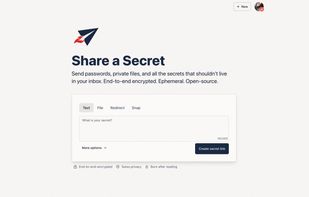
Scrt.link is an end-to-end encrypted service for sharing passwords, private files and other sensitive data via self-destructing links — keeping secrets out of email, Slack, Teams and other channels. For businesses, we offer a white-label solution, customizable with your own...
 Switzerland


VaultNote is a modern, privacy-focused tool for sharing sensitive data like passwords and API keys. Unlike traditional services, all encryption (AES-256) happens directly in the user's browser (Client-Side Encryption) before any data leaves the device.


