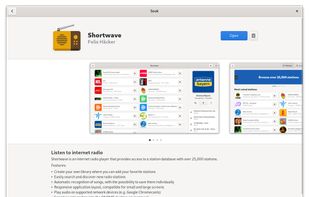
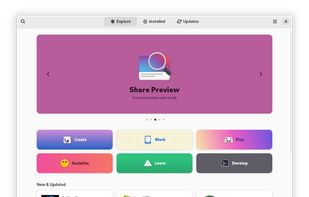
Software lets you install and update applications and system extensions.
 United States



+1
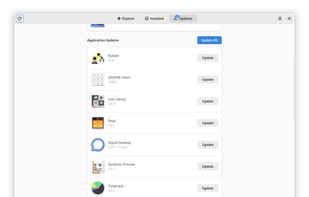


Linux App Store has been discontinued. Similar apps include GNOME Software, which is free and open source. Other options are Snap Store , Microsoft Store, Discover and Ketarin. There's no shortage of Software Installers like Linux App Store, with more than 25 alternatives for Linux, Windows, the web and Mac.
Software lets you install and update applications and system extensions.
United States
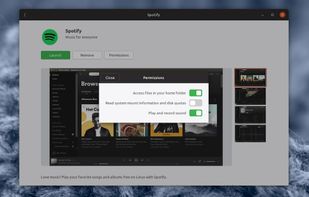
The Snap Store gives you instant access to thousands of free and open-source applications. And now you can buy apps from some of the leading providers too. All our software is easy to find and install so you can have a customised desktop that suits you in no time.
 United Kingdom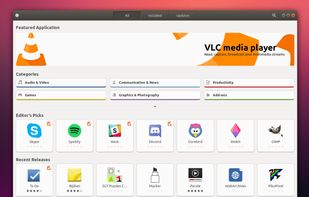


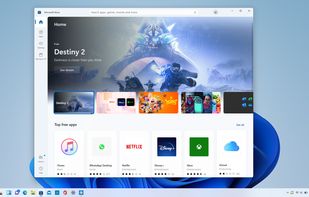
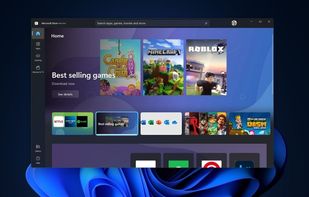
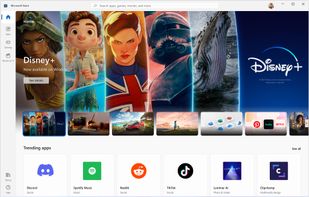
Find the apps, games, and shows you want, fast, in Microsoft Store, including your favorite mobile apps that now work on your PC.
United States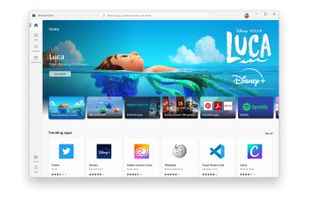


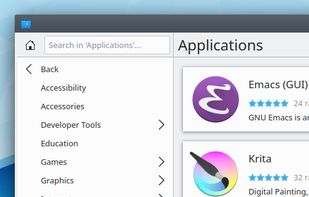
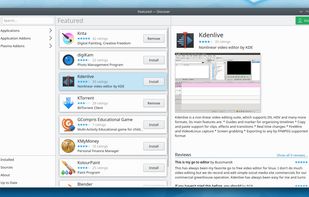
Utility for KDE's Plasma desktop environment for browsing, installing, and removing applications, implemented as an app store like application.
 Germany
 EU
EU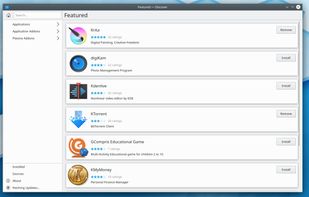


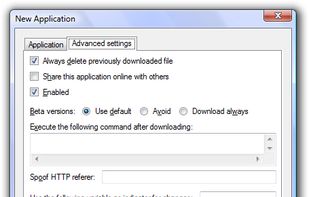
Ketarin is a small application which automatically updates and optionally installs setup packages by monitoring web pages for changes. As opposed to other tools, Ketarin is not meant to keep your system up-to-date (like a package manager), but rather to maintain a compilation of...
GermanyEU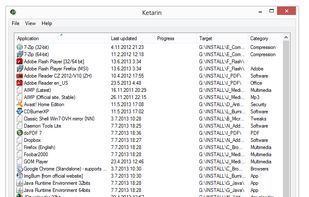
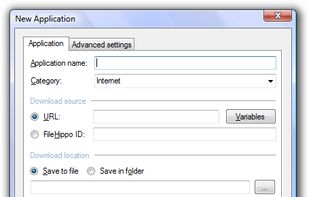


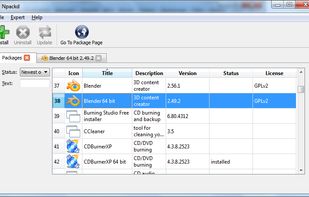
Npackd (pronounced "unpacked") is an application store/package manager/marketplace for applications for Windows. It helps you to find and install software, keep your system up-to-date and uninstall it if no longer necessary.


A software manager for the Linux Mint operating system to easily install new applications.
 IrelandEU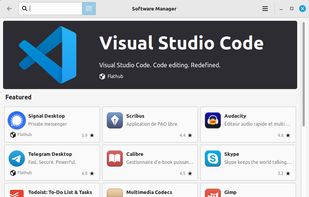

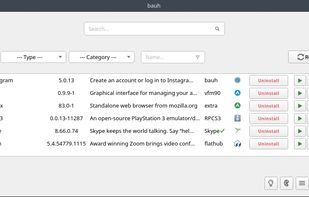
bauh (ba-oo), formerly known as fpakman, is a graphical interface for managing your Linux software (packages/applications). It currently supports the following formats: AppImage, ArchLinux repositories/AUR, Flatpak, Snap and Web applications.

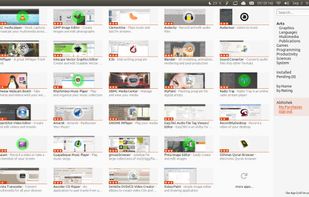
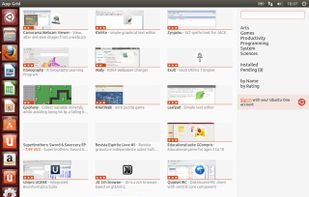
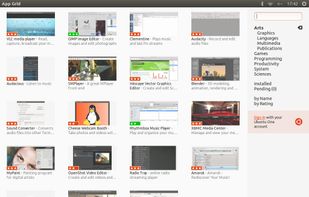
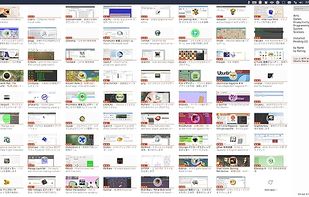
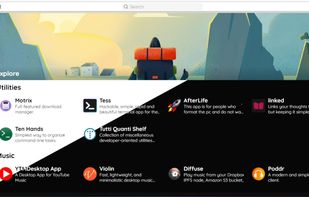
App Grid is a new lightweight Snap Store alternative that tries to make application discovery easier by using a grid view which includes app screenshots and ratings.


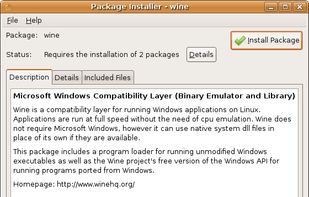
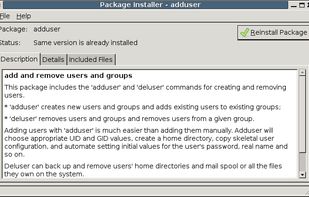
GDebi lets you install local deb packages resolving and installing its dependencies. apt does the same, but only for remote (http, ftp) located packages.




 GermanyEU