Cost / License
- Free
- Open Source
Application type
Platforms
- Mac
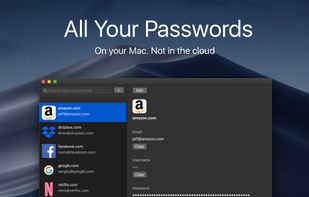

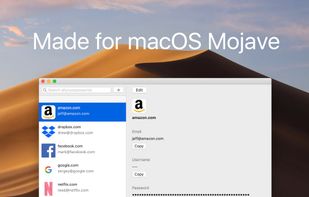


One of the most popular alternatives to LastPass is Bitwarden, which is open source with a free version. Other popular alternatives are KeePassXC, KeePass, Proton Authenticator and Proton Pass. There's no shortage of Password Managers like LastPass, with more than 100 alternatives for Windows, Android, iPhone, Mac and the web.

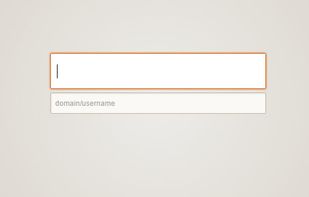


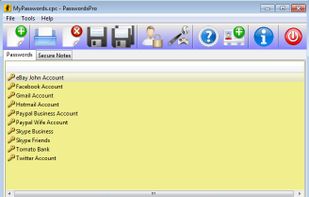
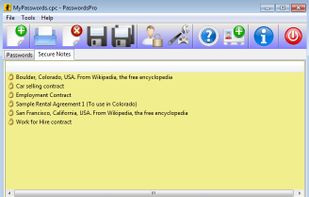
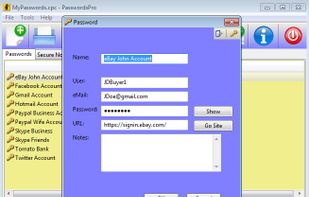
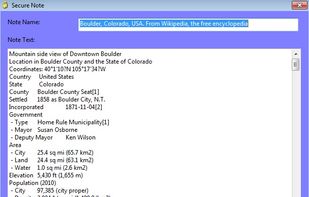
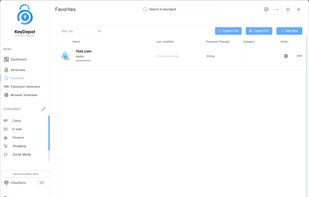
With PasswordsPro, you can store all your passwords and web site data access in a single file protected with only one master password.

 Germany
 EU
EU


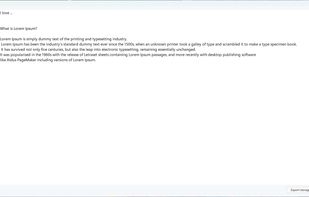
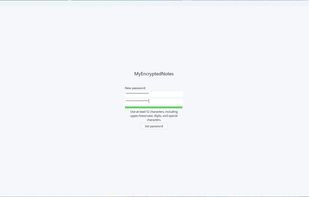
Keep your personal notes truly private with MyEncryptedNotes — a fast, lightweight, and fully offline encrypted notepad for Windows. All data is protected locally using ChaCha20-Poly1305 encryption, ensuring modern, high-performance security without cloud dependencies.


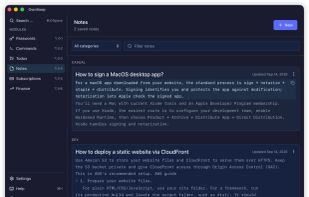
OwnKeep is an offline, keyboard-first vault for macOS. Passwords, commands, todos, subscriptions and finance — one encrypted file that never leaves your Mac.
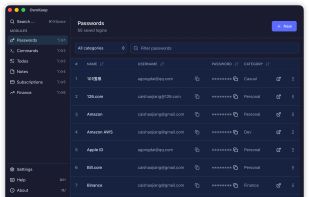
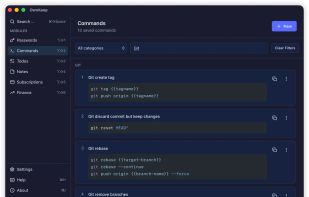
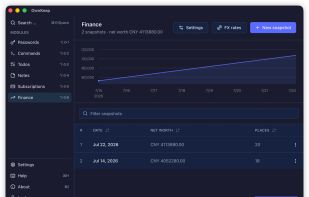


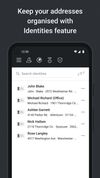
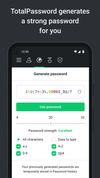
Offers secure password management with AES encryption, zero-knowledge protocol, two-factor authentication, biometric options, unique password generation, breach alerts, remote logout, browsing history deletion, and bank card storage for safe online checkouts.
 United Kingdom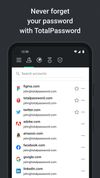

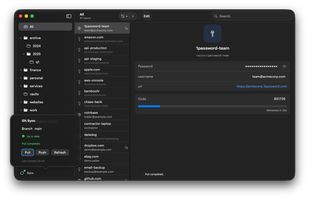
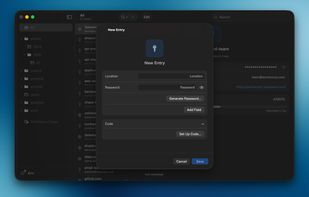
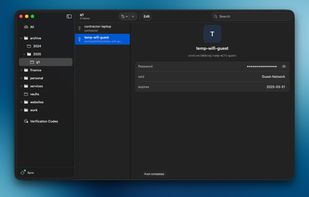
NativePass is a native SwiftUI macOS client for the standard Unix password store (pass). It uses your existing ~/.password-store and GPG stack — no proprietary vault format.
 Israel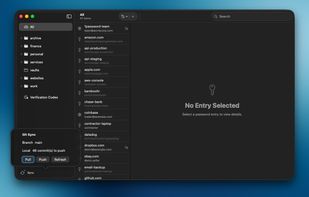

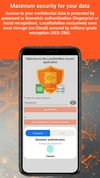
Secure your confidential data, manage your secret passwords and protect your private photos or strategic PDF documents from prying eyes with LocalSafeBox, the definitive digital offline vault for Android.
 United States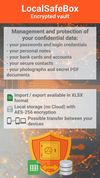



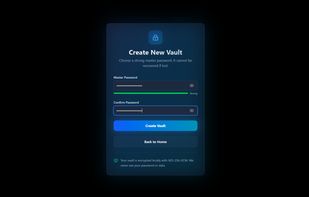
Passary is a zero-trust password manager designed to keep all sensitive data stored locally on your device instead of relying on cloud servers or external sync. Vaults are encrypted with AES-256 and secured by Argon2id, and the master password never leaves the user’s machine.
 HungaryEU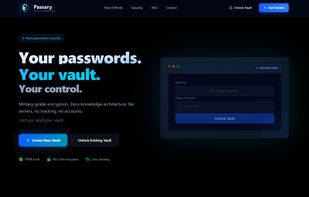
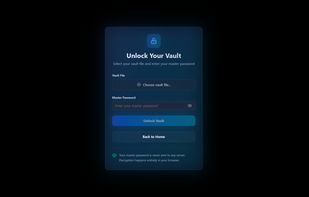
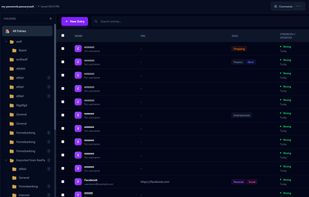

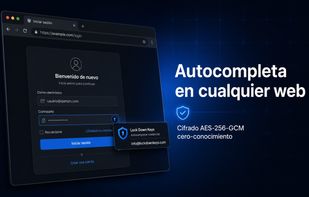
Lock Down Keys is a zero-knowledge, end-to-end encrypted password manager built specifically for teams. Using AES-256-GCM encryption that runs entirely in the browser, your credentials are never exposed to the server — not even to us.