Cost / License
- Free
- Open Source
Application typeApplication types
Platforms
- Linux
 United States




+3


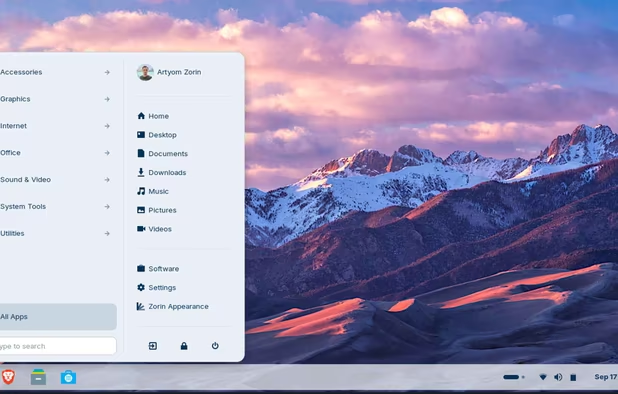
Apps similar to Karoshi include Linux Mint, which is free and open source. Other options are Debian, Fedora, Arch Linux and Zorin OS. There's no shortage of Operating Systems like Karoshi, with more than 100 alternatives for Linux, self-hosting, Windows, Mac and the web.
United States
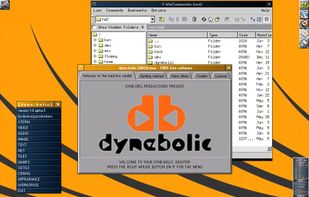
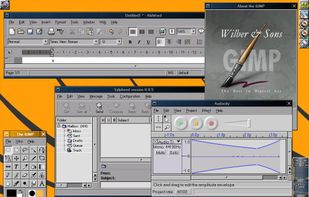
Free software operating system for media activists, artists and creatives. Dynebolic is as a practical tool for multimedia production: you can manipulate and broadcast both sound and video with tools to record, edit, encode and stream, having automatically recognised most...
 Italy
 EU


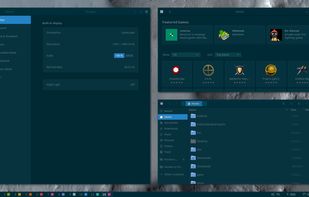
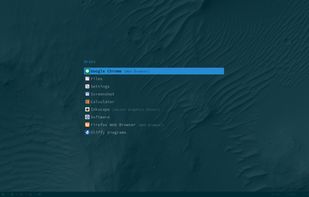
Regolith Linux is a distro for people that prefer a spartan interface with polished and consistent system management. It brings together a trifecta of Ubuntu’s ubiquity, i3 -wm’s efficient and productive interface, and Gnome’s system...
United States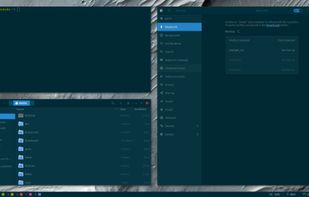


illumos is a free and open-source Unix operating system. It derives from OpenSolaris, which in turn derives from SVR4 UNIX and Berkeley Software Distribution (BSD). illumos comprises a kernel, device drivers, system libraries, and utility software for system administration.


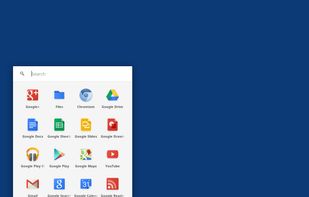
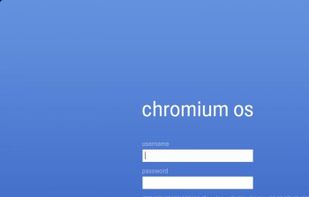
Chromium OS is an open-source project, used primarily by developers, that aims to build an operating system that provides a fast, simple, and more secure computing experience for people who spend most of their time on the web.


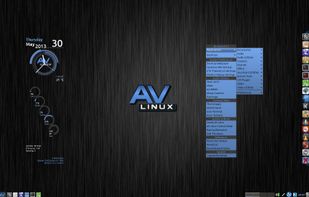
AV Linux is a versatile, MX Linux-based distribution featuring a large collection of audio and video production software.



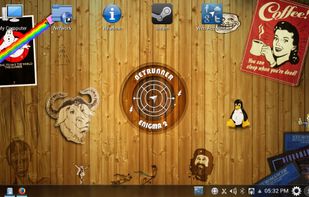
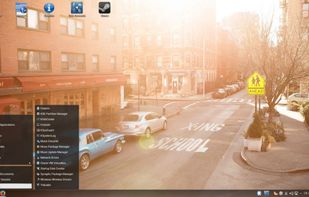
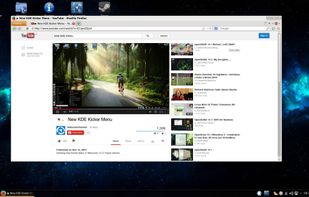
Netrunner is an Debian -based distribution with a focus on desktop computing. It boasts a carefully tuned KDE Plasma Plasma 5 desktop.
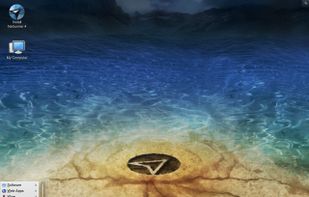


Oracle Solaris is the #1 enterprise OS, delivering breakthrough high-availability, security, efficiency, and industry-leading scalability/performance.
United States


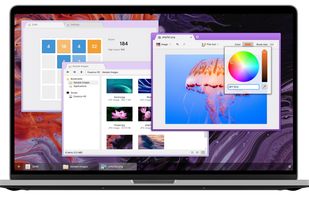
Serenity is a graphical 32-bit Unix-like operating system with 90s aesthetics and built for x86 systems.
 SwedenEU
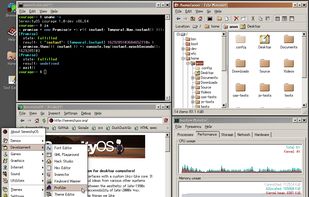
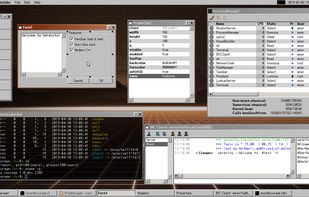




CrunchBang++ is an open source and completely free [of cost (#!++ does include several of Debian’s non-free packages as well as the non-free repository)] computer operating system, designed as a continuation of the .


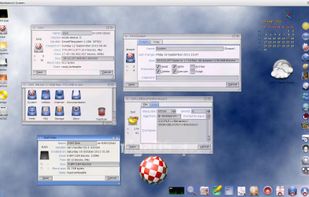
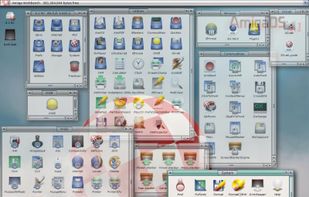
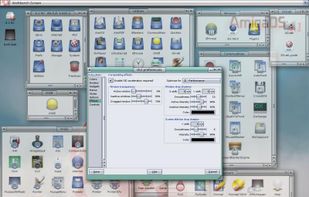
AmigaOS is the proprietary native operating system of the Amiga and AmigaOne personal computers, introduced with the launch of the first Amiga, the Amiga 1000, in 1985.
 BelgiumEU