Cost / License
- Free
- Open Source (GPL-3.0)
Platforms
- Linux
- Self-Hosted
- Docker


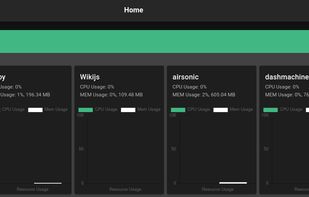
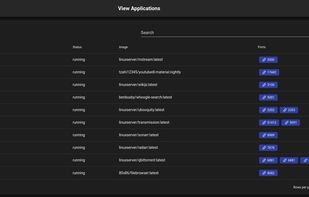
Isaiah is described as 'Self-hostable service that enables you to manage all your Docker resources on a remote server. It attempt at recreating the Lazydocker command-line application from scratch, while making it available as a web application without compromising on the features' and is a Docker Manager in the development category. There are more than 10 alternatives to Isaiah for a variety of platforms, including Linux, Docker, Self-Hosted, Windows and Mac apps. The best Isaiah alternative is Portainer. It's not free, so if you're looking for a free alternative, you could try Portainer or Kubernetes. Other great apps like Isaiah are Dockpeek, Lazydocker, Dockge and Rancher.


Cycle is the leading LowOps platform built to simplify containers, standardize infrastructure, and automate DevOps. Deploy to your own infrastructure whether it's in the cloud, on-prem, or a mixture of both. The power of Kubernetes, without Kubernetes.


oxker is a fast and user-friendly CLI application for managing Docker containers. You can effortlessly view the status of running containers, start, stop, and restart, and delete them, and access real-time container logs for troubleshooting.

Crane is a container image tool that includes building local Docker images; connecting to DockerHub; listing local and remote container images; pushing local images to the DockerHub registry, and importing remote container images into an MLOps platform cluster.


SSM blends the automation powerhouse of Ansible with the portable setup of Docker in a clean and engaging interface.


DockStation is a developer-centric application for managing projects based on Docker. Instead of lots of CLI commands you can monitor, configure, and manage services and containers while using just a GUI.


Nexaa is the easy-to-use-and-cost-friendly 100% European alternative for scaling and deploying containers.


Http4s application that uses fs2 streams to send docker stats and docker ps data over a websocket connection to a Scala JS frontend which visualizes the results using the chartist.js library.