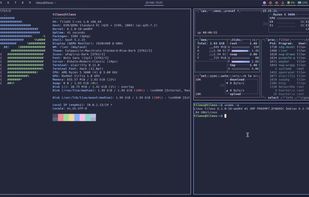
ParticleOS is a fully customizable immutable distribution implementing the concepts described in Fitting Everything Together.
Cost / License
- Free
- Open Source (LGPL-2.1)
Application typeApplication types
Platforms
- Linux
P


One of the most popular alternatives to Gentoo is Linux Mint, which is free and open source. Other popular alternatives are Ubuntu, Debian, Fedora and Arch Linux. Operating Systems like Gentoo are a crowded field, with more than 100 alternatives for Linux, self-hosting, Windows, Mac and the web.
ParticleOS is a fully customizable immutable distribution implementing the concepts described in Fitting Everything Together.

 Brazil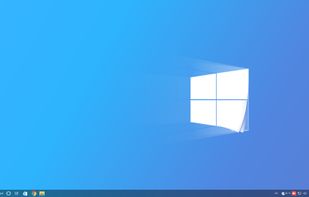



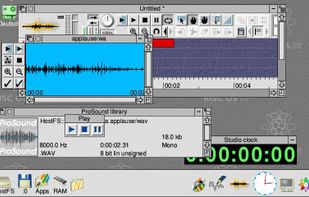
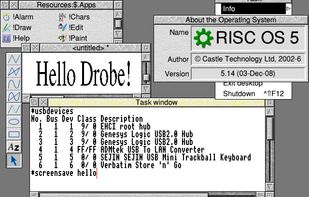
Risc OS is an open-source OS specifically designed to run on the ARM chipset.
 United Kingdom



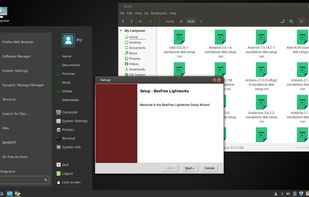
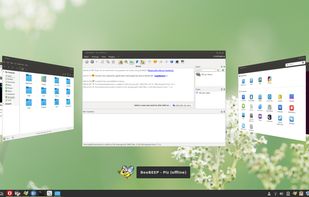
BeeFree OS is inspired from Ubuntu, Windows 7 and Linux Mint. The name is acronym for Beautiful, Effective, Efficient and Freedom.
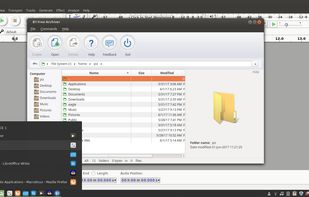
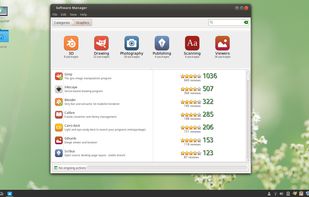




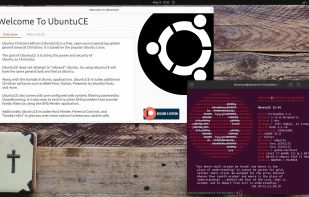
Ubuntu Christian Edition (UbuntuCE) is a free, open source operating system geared towards Christians. Ubuntu is a complete Linux-based operating system, freely available with both community and professional support.


Visopsys (VISual OPerating SYStem) is an alternative operating system for PC-compatible computers, written “from scratch”, and developed primarily by a single hobbyist programmer since 1997.




Enso aims to be a clean and simple OS that is easy to use and incorporates some of our favourite projects from around the Linux world.
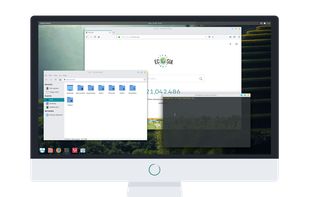
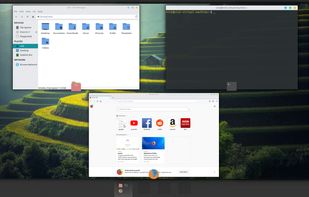


Vinux is a Ubuntu derived distribution optimised for the needs of blind and partially sighted users. By default Vinux provides two screen-readers, Braille display support and an extremely friendly community.


RetroBSD is a port of 2.11BSD Unix intended for embedded systems with fixed memory mapping. The current target is Microchip PIC32 microcontroller with 128 kbytes of RAM and 512 kbytes of Flash.


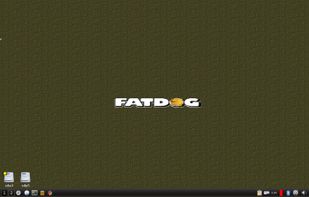
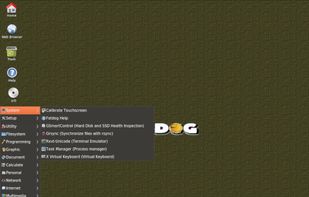
Fatdog64 Linux is a small yet versatile 64-bit multi-user Linux distribution. built to run on virtually any computer with a 64-bit architecture.


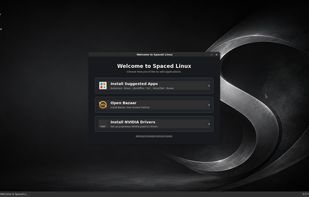
Spaced Linux is a polished desktop distribution built on Devuan Ceres, using sysvinit, MATE, and Compiz. It welcomes first-time Linux users without hiding the system from experienced users who want to inspect, customize, automate, and rebuild it.
 United States