


Using AppImageKit you can package desktop applications as AppImages that run on common Linux-based operating systems, such as RHEL, CentOS, Ubuntu, Fedora, Debian and derivatives.
Cost / License
- Free
- Open Source
Platforms
- Linux
 Germany
 EU
EU


Apps similar to Flathub include Chocolatey, which is open source with a free version. Other options are Homebrew, Flatpak, Bazaar App Store and GNOME Software. You're spoiled for choice with Package Managers like Flathub: we list more than 25 alternatives for Linux, Mac, the web and Windows.
Using AppImageKit you can package desktop applications as AppImages that run on common Linux-based operating systems, such as RHEL, CentOS, Ubuntu, Fedora, Debian and derivatives.
GermanyEU
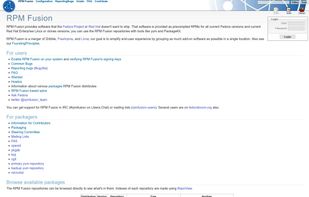
RPM Fusion provides software that the Fedora Project or Red Hat doesn't want to ship. That software is provided as precompiled RPMs for all current Fedora versions and current Red Hat Enterprise Linux or clones versions.


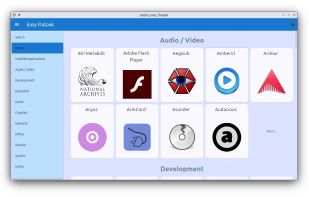
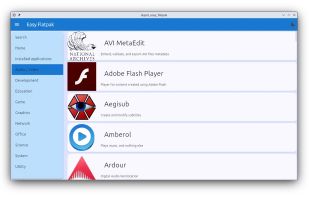
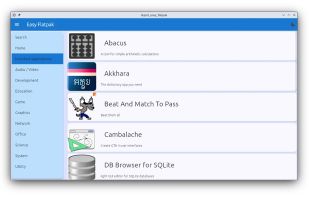
It will help you install Flatpak apps in a user-friendly way. We have recipes for some of them to install them even better.
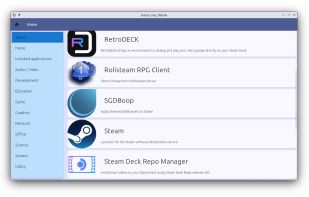


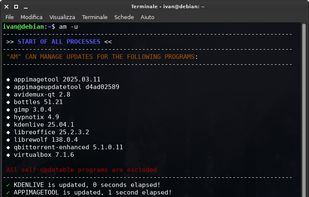
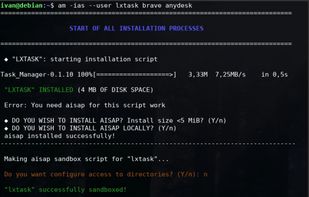
AUR-inspired database, and package manager to install, update (for real) and manage ALL AppImages and other portable formats for GNU/Linux, system-wide or locally, with the ease of APT and the power of PacMan.
 ItalyEU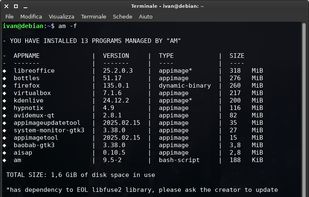
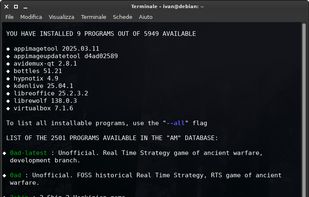


A modern, delicious implementation of the Nix package manager, focused on correctness, usability, and growth — and committed to doing right by its community.


The AppCenter features a great selection of curated software, all of which are verified to run on Bodhi Linux without problems. All software in the AppCenter is installed directly from the default web browser, making software installation a breeze.
 United States



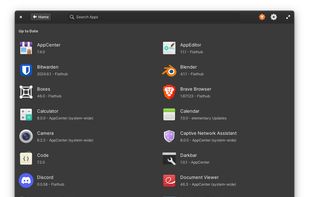
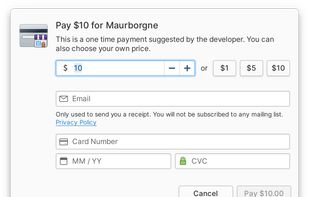
Get free and paid apps on AppCenter, the open, pay-what-you-can app store for indie developers.
United States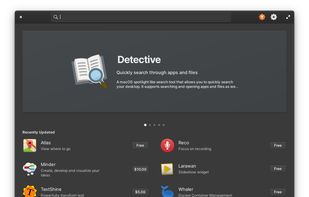


A fast package manager for macOS and Linux. Written in Zig. Uses Homebrew's bottles and formulas under the hood, plus native .deb support for Docker containers.
United States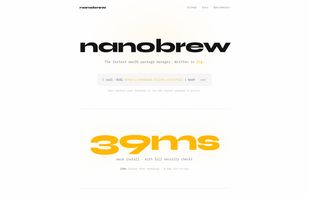


Tvix is a new implementation of Nix, a purely-functional package manager. It aims to have a modular implementation, in which different components can be reused or replaced based on the use-case.


