


Redshift adjusts the color temperature according to the position of the sun. A different color temperature is set during night and daytime.
Platforms
- Mac
- Windows
- Linux
- BSD
 Denmark
 EU
EU
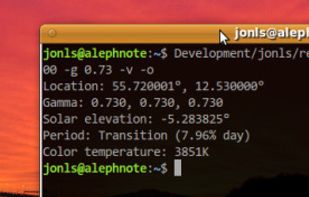


f.lux is not available for Linux but there are plenty of alternatives that runs on Linux with similar functionality. The best Linux alternative is Redshift, which is both free and Open Source. If that doesn't suit you, our users have ranked more than 50 alternatives to f.lux and 16 are available for Linux so hopefully you can find a suitable replacement. Other interesting Linux alternatives to f.lux are RedshiftGUI, Iris mini, Iris and gammastep.
Redshift adjusts the color temperature according to the position of the sun. A different color temperature is set during night and daytime.
DenmarkEU
RedshiftGUI changes the color temperature of your monitor to better match that of your surrounding. This means that it sets a cooler color temperature during the daytime (due to natural lighting) and sets a warmer temperature at night (due to indoor lighting). Similar to f.
 China
China
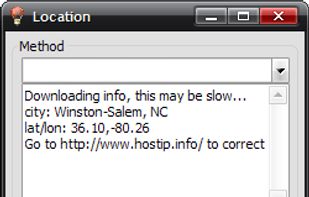
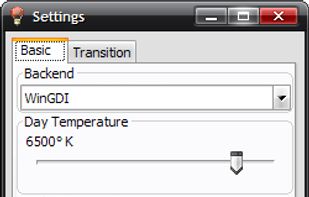


Enjoy free cross-platform blue light reduction and PWM flicker-free brightness control with Iris mini. Minimalistic design, portable, and automatic for no-hassle, eyestrain-relief across all devices. Simply double-click to activate, perfect for every lighting condition.
 BulgariaEU
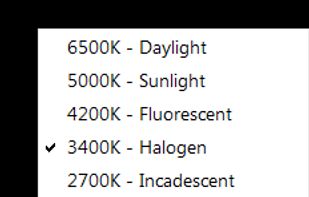


Reduces blue light and flicker for eye comfort, supports auto color temperature adjustment based on time, customizable modes, overlays, color and font options, docking station support, and accessible part-screen filtering for diverse needs.
BulgariaEU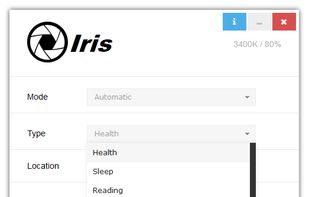


It makes the color of your computer's display adapt to the time of day, warm at night and like sunlight during the day.
 Brazil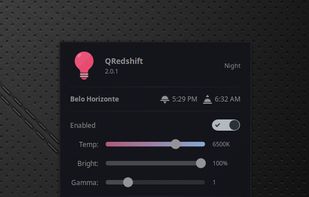


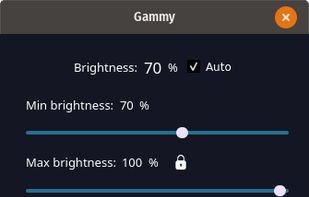

Small GTK GUI application to set contrast, brightness and gamma for wayland compositors which support the wlr-gamma-control protocol extension. Basically this is the example from here: https://github.com/swaywm/wlroots/blob/master/examples/gamma-control.


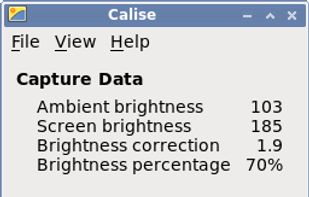
A Python program that calculates ambient brightness and sets screen's correct backlight using a camera.


 United States


