


DriveSync icon
DriveSync icon

DriveSync

Google Drive. At your command. Push, pull, and compare files between a local folder and Google Drive. A small Rust CLI that puts you in control of what moves, and when.
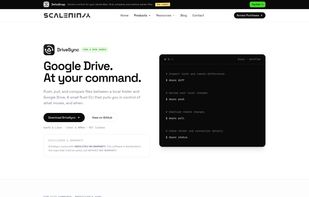
DriveSync screenshot 1

Cost / License

  • Free
  • Open Source (MIT)

Platforms

  • Mac
  • Linux
  • Homebrew
2likes
0articles

Features

Properties

  1.  Privacy focused

Features

  1.  Ad-free
  2.  No registration required
  3.  No Tracking
  4.  Command line interface
  5.  Conflict resolver
  6.  Sync with Google Drive
  7.  File Comparison

DriveSync News & Activities

Highlights All activities

Recent activities

DriveSync information

AlternativeTo Categories

File ManagementOS & Utilities

GitHub repository

  •  42 Stars
  •  0 Forks
  •  0 Open Issues
  •   Updated  
View on GitHub
DriveSync was added to AlternativeTo by Paul on and this page was last updated .
No comments or reviews, maybe you want to be first?

Official Links

What is DriveSync?

Google Drive. At your command. Push, pull, and compare files between a local folder and Google Drive. A small Rust CLI that puts you in control of what moves, and when.

Your files. Your direction.

  1. See the changes first: Compare local and remote files with dsync diff. Push and pull show a plan and ask for confirmation before transferring.
  2. Choose the direction: Push local changes to Google Drive, or pull remote changes to your machine. Target a whole directory or a single path.
  3. Keep conflicts visible: Conflicting files are skipped unless you explicitly force an overwrite. DriveSync never deletes files on either side.
  4. Transfer in parallel: Use up to 64 workers, resumable uploads for large files, and automatic retries for transient errors.
  5. Spend less time scanning: A local SQLite cache and the Drive Changes API track remote updates. Use --verify when you want every file hashed and verified.
  6. Fit your workflow: Use gitignore-style rules in .driveignore and skip confirmation with -y in scripts. Unresolved conflicts still block unattended transfers.